









































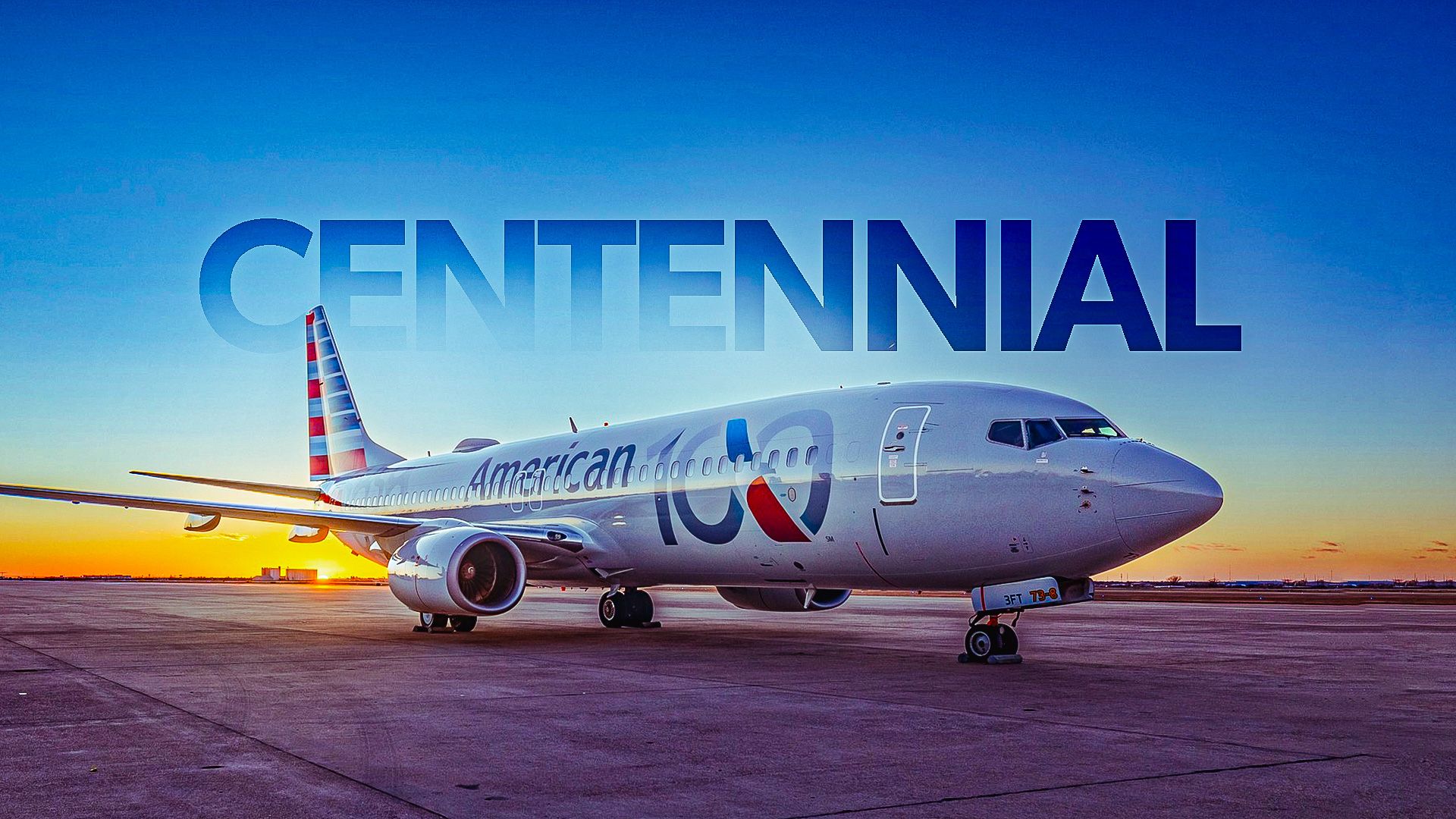
American Airlines, headquartered in Fort Worth, has emerged as a dominant force in global aviation over the past century. Established on April 15, 1926, the airline has transformed from a collection of small carriers into the world’s largest airline by various metrics, including passenger numbers and flights operated. This article explores the extensive history of American Airlines, detailing its evolution, key milestones, and current standing in the aviation market.
Foundations of American Airlines
The origins of American Airlines can be traced back to the 1930 consolidation of numerous smaller airlines under the American Airways name. This transformation was spearheaded by the visionary airline executive C.R. Smith, who emphasized standardization in operations and aircraft. By introducing the Douglas DC-3 in commercial service in 1936, American Airlines set a precedent for reliability and service quality that would become hallmarks of the brand.
The airline’s pioneering spirit was evident as it became the first to trade on the New York Stock Exchange in 1939, solidifying its transition from a fledgling enterprise to a major player in commercial aviation. This early commitment to operational excellence laid the groundwork for American Airlines’ future success in an industry that was still in its infancy.
Post-War Expansion and the Jet Age
The end of World War II marked a significant turning point for American Airlines. The carrier’s focus shifted from establishing the viability of air travel to expanding its infrastructure and service offerings. In 1944, American launched the world’s first scheduled air cargo service from LaGuardia Airport (LGA), further diversifying its operations.
As the airline ventured into transatlantic flights with its subsidiary, American Overseas Airlines, it demonstrated that wartime innovations could transition seamlessly into commercial opportunities. The establishment of a maintenance and engineering base in Tulsa in 1946 underscored the importance of in-house reliability and cost management, essential for scaling operations.
American Airlines’ entry into the jet age began in 1959 with the introduction of the Boeing 707 for transcontinental flights. This move not only enhanced speed and efficiency but also positioned the airline as a leader in modern aviation.
Innovative Strategies and Loyalty Programs
In the 1960s and 1970s, American Airlines solidified its reputation as an industry innovator. In 1964, the airline made headlines by hiring David Harris, recognized as the first Black commercial pilot in the United States. The launch of the Sabre reservations system revolutionized real-time seat inventory management, setting new standards for operational efficiency.
With the deregulation of the airline industry in 1978, American Airlines capitalized on its established hub at Dallas/Fort Worth International Airport (DFW). The introduction of SuperSaver fares in 1977 allowed the airline to strategically segment its customer base, differentiating between price-sensitive leisure travelers and late-booking business passengers.
The launch of the AAdvantage program in 1981 marked a pivotal moment in the airline’s history, as it emerged as one of the first frequent-flyer programs in the industry. This initiative not only fostered customer loyalty but also paved the way for partnerships that would enhance American’s economic model.
Challenges and Resurgence
Despite its successes, American Airlines faced significant challenges in the 2000s, including rising fuel prices and increased competition from low-cost carriers. These pressures culminated in a bankruptcy filing in 2011. However, the subsequent merger with US Airways in 2013 created the American Airlines Group as it exists today, solidifying its position as a legacy carrier.
As American Airlines approaches its centennial in 2026, it continues to adapt to the evolving landscape of aviation. The airline is focusing on attracting high-value travelers with upgraded premium products and enhanced customer experiences. A notable development is the rollout of free high-speed Wi-Fi for AAdvantage members, set to begin in January 2026.
American Airlines remains committed to sustainability, exemplified by its verified emissions-reduction targets, which reflect a long-term vision for environmentally responsible operations.
The journey of American Airlines from its humble beginnings to becoming a global aviation leader illustrates not only the resilience of the airline but also its ability to innovate and respond to changing market dynamics. As the airline stands on the brink of its next century, it is poised to continue shaping the future of air travel.
















