









































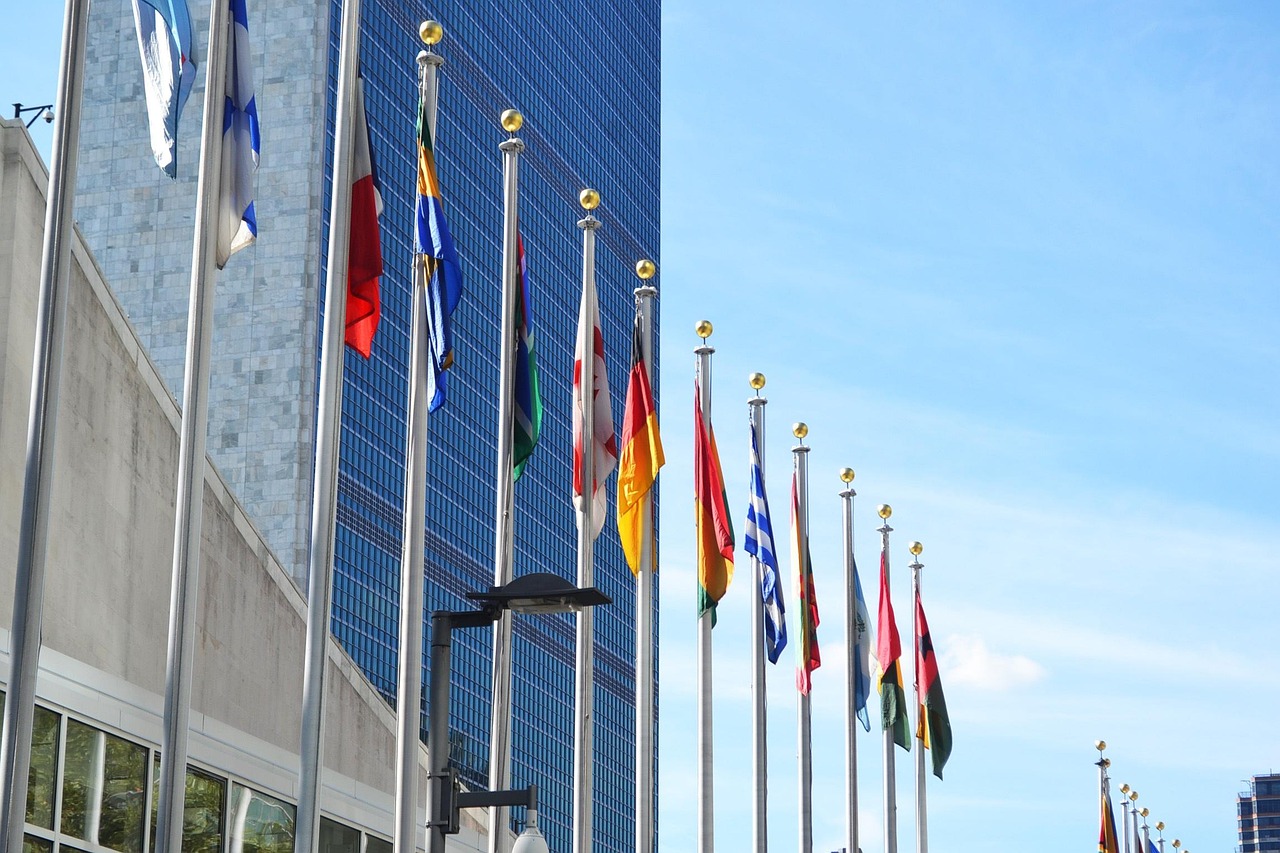
The United Nations called on the global community to uphold established norms related to the extraction and processing of critical minerals on March 7, 2024. This appeal comes as demand for these essential resources continues to rise, driven by the ongoing transition towards sustainable energy technologies. Minerals such as lithium, nickel, and cobalt play vital roles in the development of wind turbines, solar panels, electric vehicles, and battery storage systems.
As nations strive for a net-zero economy and seek to reduce reliance on fossil fuels, the UN has projected that global demand for critical minerals will increase significantly over the coming decades. Despite this growing competition for resources, the organization emphasized the necessity of adhering to its principles and guidelines to ensure a safe and equitable economic transition. This approach aims to mitigate geopolitical tensions, prevent commodity dependence, and address environmental concerns, particularly for countries abundant in these resources.
UN Initiatives and Frameworks
To facilitate responsible mining and mineral exploitation, the UN has established specific instruments and institutions that provide guidance and report on mining activities. These initiatives include the development of voluntary principles designed to promote sustainable development while safeguarding the environment and fostering prosperity in developing nations. By bringing together governments, industries, international organizations, and civil society, these frameworks aim to ensure that the benefits of the global energy transition are maximized.
In 2025, the UN plans to introduce the Guidance for Action on Critical Energy Transition Minerals. This document will propose measures to guarantee that the extraction and utilization of these minerals promote human rights, environmental protection, and equitable development. The ongoing shift towards a green economy and advancements in artificial intelligence also underscore the rising significance of critical minerals, influencing national industrial policies and security strategies worldwide.
As international demand for critical minerals and rare earth elements surges, resource-rich countries are increasingly positioned at the forefront of the supply chain. This scenario presents substantial opportunities for economic development, particularly as the energy transition progresses. However, the expansion of mining activities necessary for extracting these metals is fraught with risks, including serious socio-economic and geopolitical implications.
Environmental and Social Challenges
Mining and processing activities are often associated with high greenhouse gas emissions, contributing to biodiversity loss, and causing water and soil contamination from toxic chemicals. Air and water pollution are also significant concerns linked to these operations. Furthermore, mining can deplete natural resources essential to local communities, such as water sources and arable land, impacting their livelihoods and overall well-being.
The sector also grapples with human rights abuses related to illegal mining and criminal activities in resource-rich countries, which can undermine the potential economic benefits for these nations. The UN’s call for adherence to international norms highlights the urgent need for responsible practices in the mining industry to protect both the environment and the rights of affected communities.
The road ahead requires a collaborative effort among nations, industries, and organizations to create transparent, ethical, and sustainable mining practices that align with the global pursuit of a cleaner energy future.











