
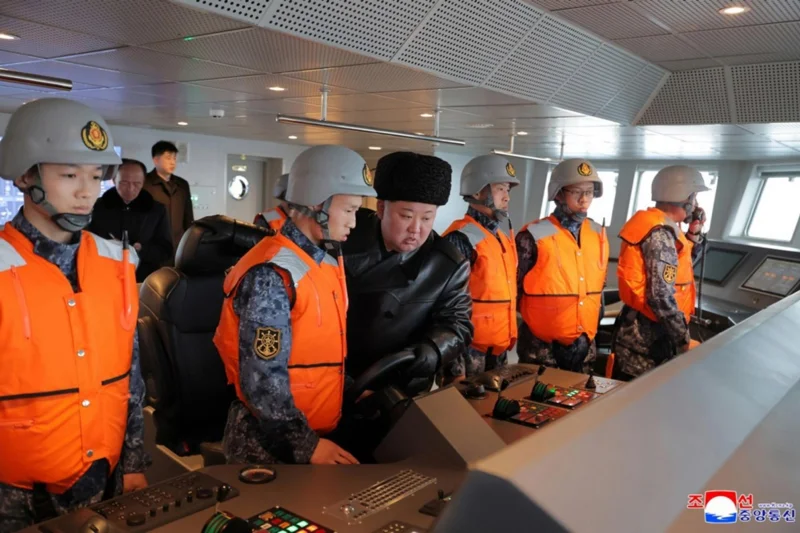



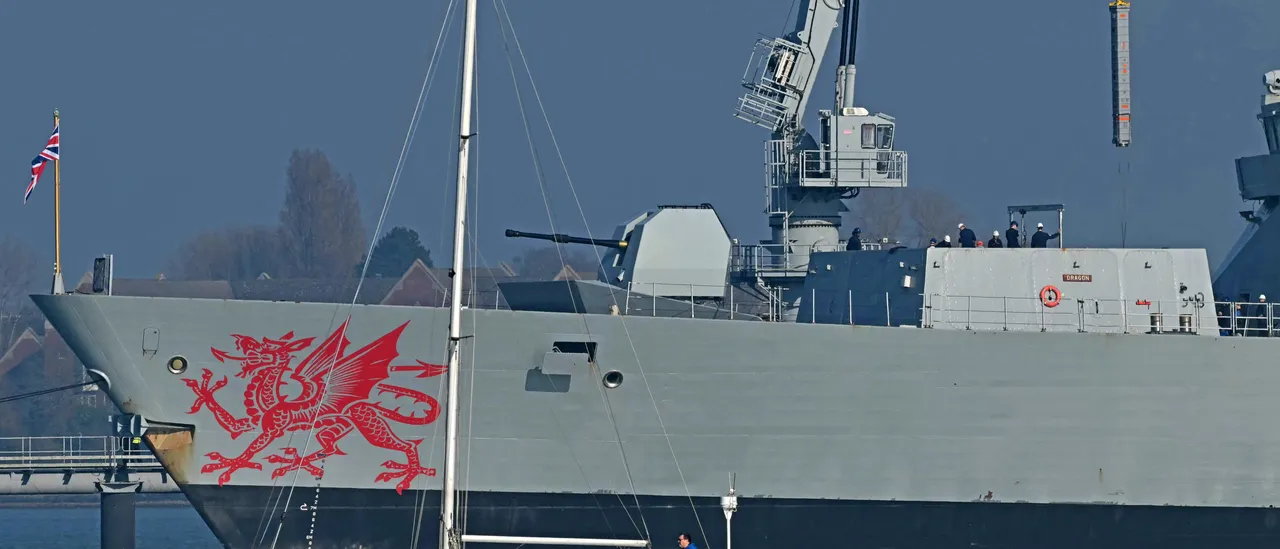


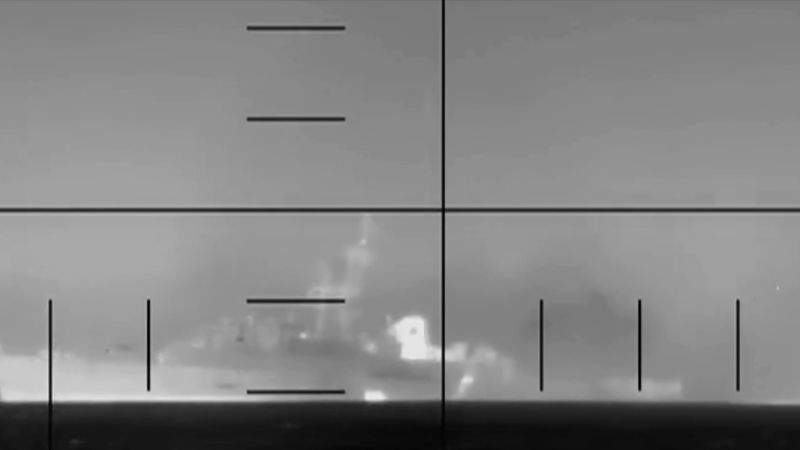




























URGENT UPDATE: North Korea is intensifying its nuclear weapons program following the recent U.S. and Israeli airstrikes on Iran, which have heightened regional security concerns. North Korean leader Kim Jong Un personally oversaw military training exercises and test launches of advanced cruise missiles aboard the newly constructed 5,000-ton destroyer Choe Hyon on March 5 and 6, according to state media reports.
Images released show multiple cruise missiles being launched from the destroyer, identified as a North Korean variant of an Aegis-equipped warship. Analysts indicate these missiles are part of the Hwasal series, which North Korea claims can carry tactical nuclear warheads. Kim emphasized that the navy’s nuclear armament program is progressing well, underscoring a critical shift towards integrating nuclear capabilities into naval forces.
The International Atomic Energy Agency (IAEA) has also raised alarms, confirming that uranium enrichment facilities at Yongbyon and Kangson remain operational. Latest reports suggest the construction of a new nuclear facility at Yongbyon has been completed, further fueling concerns about North Korea’s expanding nuclear arsenal.
Currently, North Korea is believed to possess over 100 nuclear warheads and is focused on enhancing its delivery systems. Military experts warn that submarine-launched ballistic missiles represent a key strategy for a survivable nuclear deterrent, as launches from submarines are notoriously difficult to detect.
The U.S.-Israel strikes, reportedly resulting in the deaths of senior Iranian leaders, including Supreme Leader Ali Khamenei, may reinforce North Korea’s perception that maintaining a nuclear arsenal is vital for regime survival. This development could complicate ongoing denuclearization efforts and heighten the urgency for South Korea to bolster its defensive measures.
In response, some analysts are raising concerns about South Korea’s reevaluation of the 2018 inter-Korean military agreement, which included surveillance flight restrictions near the border. Critics argue that reinstating these measures could impair South Korea’s intelligence-gathering capabilities at a critical time when North Korea is rapidly advancing its missile technology.
Security experts assert that South Korea and its allies should learn from recent conflicts where advanced intelligence and artificial intelligence-based military technologies played key roles in combat operations. They emphasize the importance of enhancing cyber capabilities, electronic warfare, and other non-kinetic strategies to disrupt North Korean missile launches before they occur.
As tensions mount in the region, the implications of North Korea’s actions are significant for global security. The international community must remain vigilant as developments unfold, focusing on diplomatic efforts to mitigate the escalating threat of nuclear proliferation in the Korean Peninsula.
Stay tuned for further updates as this story continues to develop.
















