




















The onset of the conflict in Iran on October 7, 2023, has seen a significant surge in online misinformation, particularly through the dissemination of misleading or fabricated videos. State-linked actors appear to be central to these efforts, leveraging social media to shape narratives about the war’s progression and the scale of casualties.
Since the conflict began, various social media platforms have been inundated with content that misrepresents the situation on the ground. Analysts suggest that these propaganda campaigns aim not only to influence public perception but also to assert control over the narrative surrounding the conflict. The objective is often to depict one side as victorious or to downplay the human cost of the war.
Impact of Misinformation on Public Perception
The spread of visual misinformation has profound implications for how both domestic and international audiences perceive the conflict. Videos that circulate online may evoke strong emotional responses, complicating efforts to understand the reality of the situation. Casualty reports are often exaggerated, with claims that lack verification becoming widespread. This phenomenon raises concerns about the reliability of information, as misinformation can incite panic or skew public opinion.
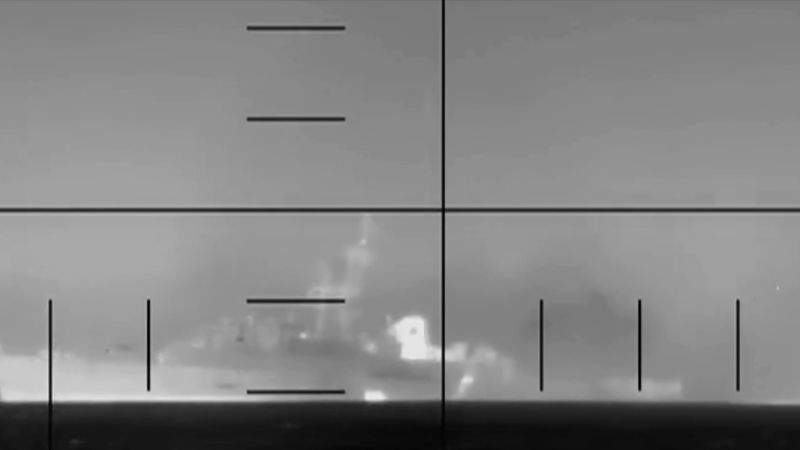
International observers have noted that state-linked actors utilize social media to amplify their narratives. For instance, certain videos portraying military engagements or civilian casualties may be selectively edited to provoke outrage or sympathy, depending on the agenda being pushed. The rapid and unchecked nature of social media allows these narratives to spread quickly, often outpacing corrections or fact-checking efforts.
The Role of Social Media Platforms
Social media platforms find themselves caught in the crossfire of this misinformation war. The challenge lies in balancing free expression with the responsibility to mitigate the spread of harmful content. Some platforms have begun implementing measures to flag or remove misleading information, but the effectiveness of these initiatives remains debatable.
Moreover, users are often ill-equipped to discern fact from fiction in the chaotic information landscape. As a result, many accept these videos at face value, further entrenching the misinformation cycle. This raises serious questions about digital literacy and the need for enhanced education around media consumption, particularly in times of crisis.
As the conflict in Iran continues to unfold, the role of state actors in spreading misinformation remains a critical concern. Understanding the mechanisms behind these campaigns is essential for fostering informed public discourse and mitigating the potential impact of distorted narratives. The ongoing situation serves as a reminder of the power of information—and misinformation—in shaping perceptions of global events.
In conclusion, as the conflict persists, vigilance against visual misinformation is crucial. Both the public and social media companies must work together to uphold the integrity of information, ensuring that the realities of war do not become obscured by propaganda and false narratives.
















