





































Prominent educational experts are calling for an increase in physical activity within primary schools to enhance student learning. According to recent research, a structured program known as The Daily Mile can significantly improve cognitive functions in children, leading to better academic performance.
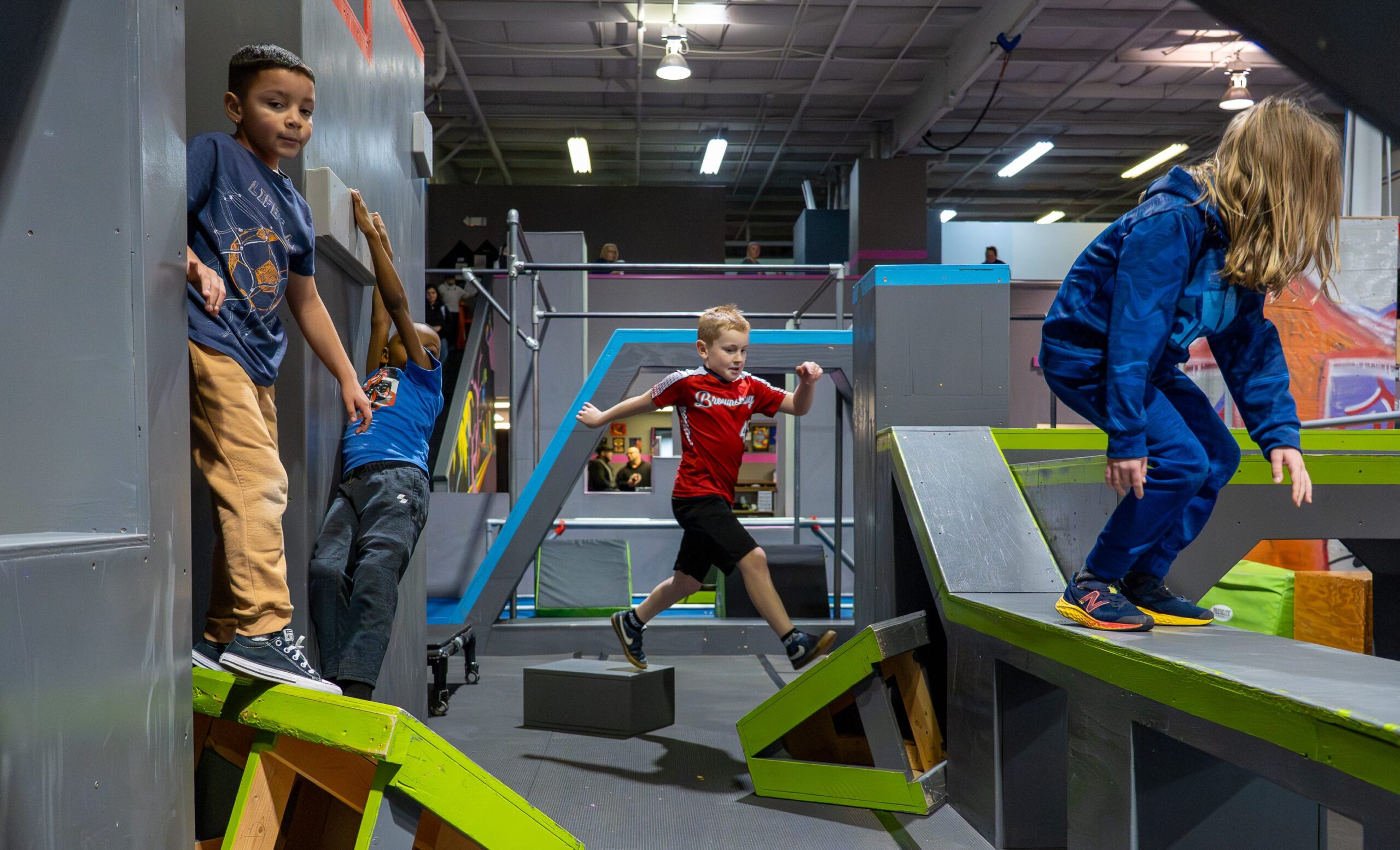
The Daily Mile involves a simple yet effective routine where children engage in 15 minutes of outdoor activity each day, either walking, jogging, or running laps around the school playground or field. This initiative has gained traction in numerous schools and is designed to not only boost physical fitness but also enhance mental capabilities.
Research conducted over a six-week period indicates that consistent participation in The Daily Mile leads to measurable improvements in executive function, which encompasses skills such as memory, attention, and problem-solving. These cognitive abilities are crucial for academic success, as they enable children to process information and tackle complex tasks effectively.
Benefits of Regular Physical Activity
The findings suggest that integrating physical activity into the daily routine of primary school children can create a positive impact on their learning experiences. The study highlights the need for schools to prioritize physical activity as a fundamental component of the educational framework.
Experts assert that by dedicating time to activities like The Daily Mile, schools can create an environment that fosters both physical health and cognitive development. This dual focus is essential for preparing students to meet the demands of their academic and future professional lives.
Participating in The Daily Mile not only promotes physical fitness but also encourages social interaction and teamwork among students. These interactions contribute to improved social skills, which are vital for personal development.
Implementing Change in Schools
As discussions around educational reform continue, advocates emphasize the importance of incorporating structured physical activity programs into school curriculums. Implementing initiatives like The Daily Mile could represent a strategic move towards enhancing overall student well-being.
Schools are encouraged to adopt such programs to harness the benefits of physical activity. By doing so, educators can support the development of key cognitive skills that are essential for successful learning outcomes.
In conclusion, the call to action from experts highlights a growing recognition of the role that physical activity plays in education. Programs such as The Daily Mile can serve as a valuable tool for schools aiming to improve not just the physical health of their students but also their cognitive abilities, ultimately leading to enhanced academic performance.
















