









































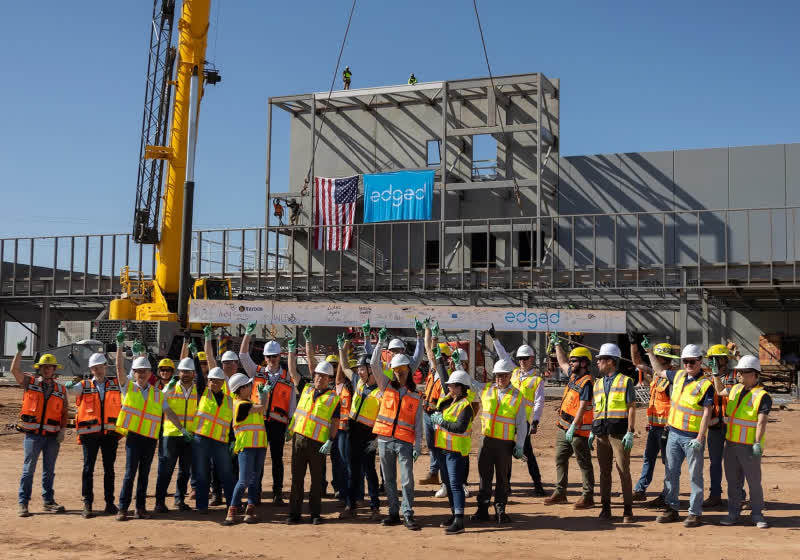
Spending on construction for data centers in the United States is set to increase significantly, with projections indicating a growth of 23% in 2026. This surge comes as other sectors, including office, hotel, apartment, and warehouse developments, experience notable slowdowns. According to new data from FMI Corp., a construction forecasting firm based in Raleigh, the data center segment will expand its share of total nonresidential building to over 6%, up from just 2% three years ago.
The rapid growth of data centers reflects an increasing demand for digital infrastructure, driven largely by the expansion of cloud services and the need for enhanced data storage solutions. As businesses and consumers continue to rely on digital platforms for various needs, the construction of facilities capable of supporting these technologies has become a priority.
Sector Analysis and Future Outlook
FMI Corp.’s report highlights a stark contrast between the data center sector and traditional construction markets. While the data center segment thrives, the broader construction industry faces challenges. Office spaces, in particular, are seeing reduced demand as remote work trends persist, leading to a decrease in new developments. Similarly, the hotel and apartment markets are also feeling the impact of changing consumer habits.
As the data center industry expands, it is likely to attract investments and create job opportunities across various regions. Analysts predict that this growth will not only bolster local economies but also lead to advancements in technology and infrastructure development.
The implications of this trend are far-reaching, affecting various stakeholders, from construction firms to tech companies. With the increasing reliance on data processing and storage, the importance of robust data center facilities cannot be overstated.
Challenges Ahead
Despite the optimistic forecasts, the rapid growth of data centers does present challenges. The construction industry faces issues such as supply chain disruptions, rising material costs, and labor shortages. These factors could potentially impact the timeline and budget for new projects.
Moreover, as data centers require substantial energy to operate, there are ongoing discussions about sustainability and environmental impact. The industry must balance growth with responsible practices to mitigate carbon footprints and ensure compliance with evolving regulations.
In conclusion, the data center construction sector is on a trajectory of remarkable growth, distinguishing itself amid a challenging landscape for other types of construction. As projected spending increases, stakeholders must navigate the challenges that accompany this expansion while seizing opportunities in a rapidly digitizing world.
















