



































Indiana is on track to see its data centers consume more than 20% of the state’s electricity by 2030, according to a recent report from the Electric Power Research Institute (EPRI). This forecast highlights the significant growth of data centers, which has been a notable trend across various parts of the United States. As stated by Tom Wilson, EPRI’s principal technical executive, “The growth is coming… regulators know about it.”
The report, released on February 26, 2024, examines state-level data on operational capacity, ongoing construction, and plans for future development. It projects scenarios for data center expansion, indicating that under certain conditions, these facilities could account for nearly 30% of Indiana’s total electricity demand.
Under the low-growth scenario, most projects currently under construction and one-quarter of those in advanced planning are expected to be operational by 2030. Conversely, the high-growth scenario anticipates that all projects under construction or in advanced planning, plus an additional 30% of early planning projects, will be fully operational by that same year. This ambitious growth reflects a broader trend, with national estimates suggesting that data centers may consume between 9% and 17% of the total electricity in the U.S. by 2030, up from approximately 4% to 5% today.
Concerns are rising among Indiana advocates regarding the implications of such growth, particularly for residential customers. Ben Inskeep, program director for the Citizens Action Coalition, voiced skepticism about EPRI’s findings, suggesting the 20% estimate might be conservative. He referenced the State Utility Forecasting Group’s 2025 Indiana Electricity Projects report, which forecasts that data centers could account for about 66,000 out of 160,000 gigawatt hours of electricity consumption by 2030.
Inskeep expressed concerns about the potential impact on residential electricity prices. “There’s just a tremendous amount of uncertainty about what could happen with data centers,” he said. His worries extend to the electrical grid’s ability to accommodate the rapid demand growth from data centers. “The amount of power that is available to serve customers might be insufficient to meet this very large, sudden load growth,” he added.
In addition to Inskeep, Ashley Williams, executive director for Just Transition Northwest Indiana, shared her apprehensions, stating that EPRI’s report confirms her fears about data centers monopolizing Indiana’s energy resources. “This is energy that our communities and economy rely on every single day,” she remarked, highlighting the struggles of residents facing rising utility costs.
The report also examined the energy sources that will likely power these data centers. Current state and federal policies indicate that natural gas is the dominant energy source. However, if data centers pursue 24/7 carbon-free energy, renewable sources along with battery energy storage would become prevalent, with nuclear power included where feasible. Wilson emphasized that the reality will likely involve a mix of solutions coming forward for energy generation.
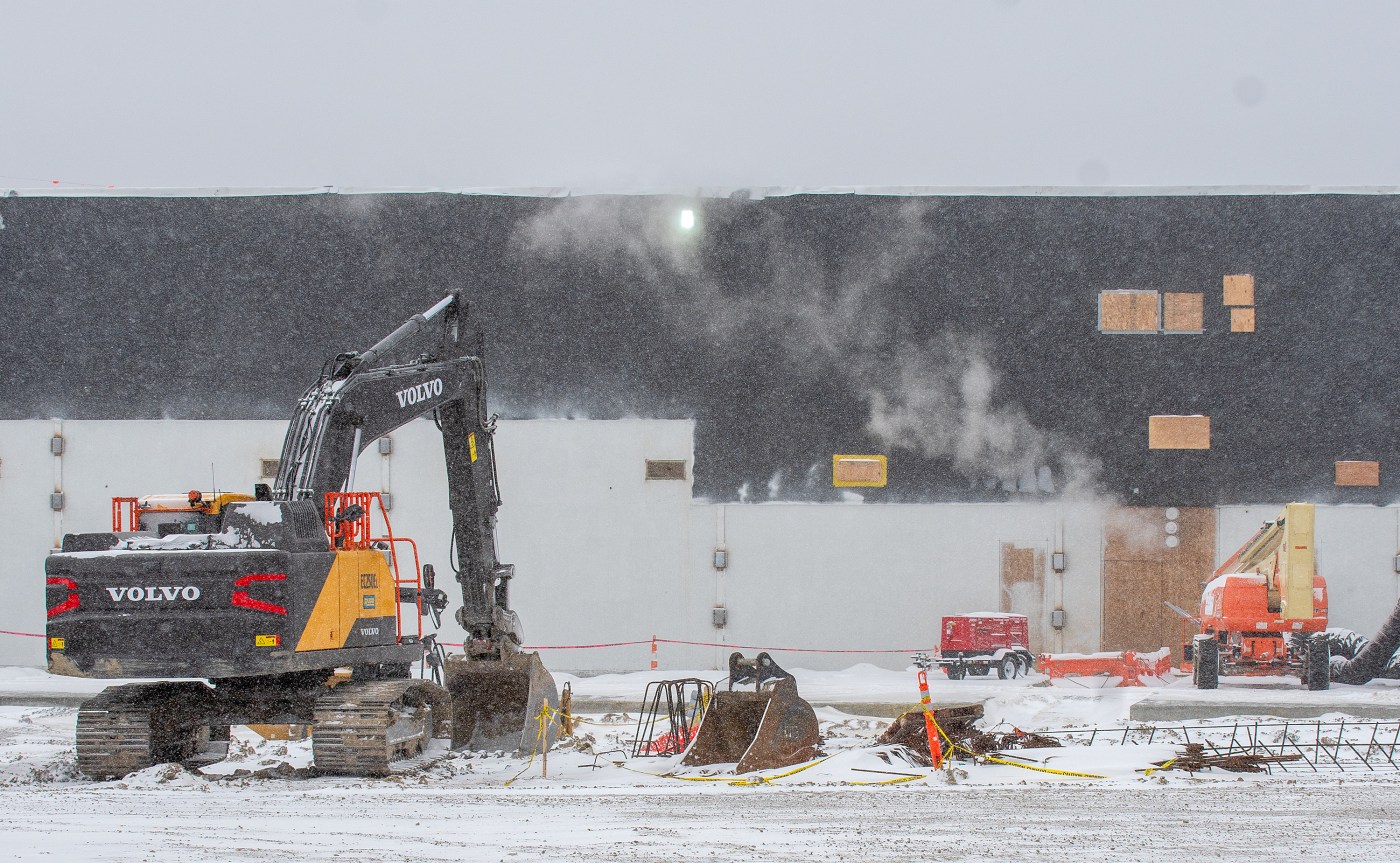
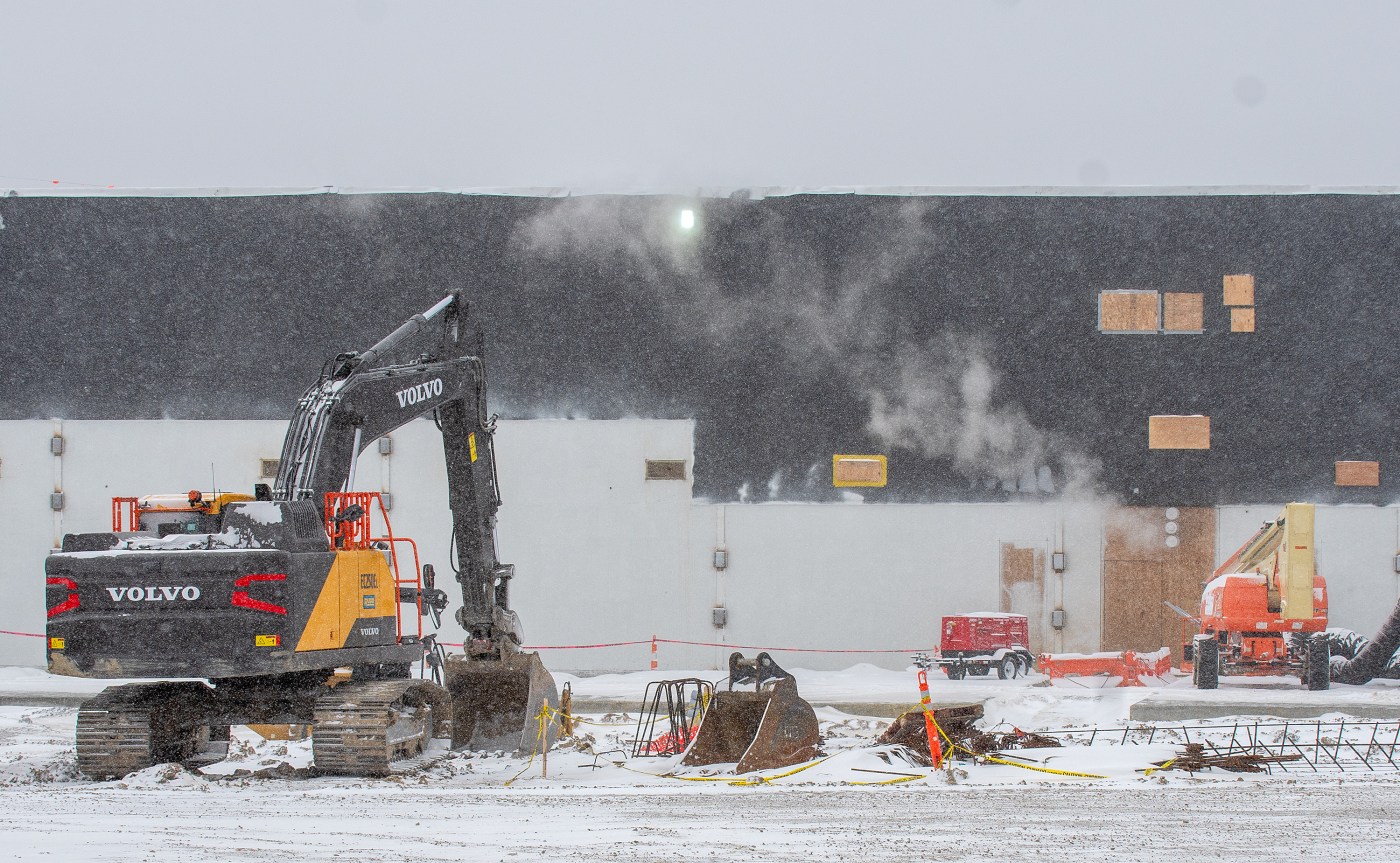
Moreover, the construction of significant data centers is already underway in Indiana. An $832 million facility is being developed in Michigan City, with speculation that it may be linked to Google. Last year, Amazon Web Services announced plans for a new data center in Hobart as part of a broader $12 billion investment across Northwest Indiana.
Lake County officials are also evaluating a proposal from Sentinel Data Centers to establish a facility on 160 acres of land near Lowell. EPRI’s Wilson noted that Indiana is witnessing unprecedented growth in data center construction, which will necessitate increased peak capacity to meet the continuous demand.
Utilities will need to be prepared, as data centers will demand power around the clock. “If you have an inflexible demand… you have to raise your generating capacity,” Wilson stated.
In response to growing concerns regarding electricity usage, NIPSCO has assured that it prioritizes the affordability and reliability of energy for existing customers. The utility is implementing a first-of-its-kind model called GenCo, which ensures that large, energy-intensive customers, such as data centers, bear the costs of the necessary infrastructure without shifting expenses onto residential customers.
NIPSCO’s efforts include developing 3,000 MW of new dispatchable resources to support the anticipated load from Amazon’s deal, with any excess capacity being offered into the wholesale market. “By isolating the cost of new growth to the customers driving that growth, we ensure no adverse impact on the reliability or cost of service for current customers,” NIPSCO stated in a recent announcement.
As Indiana moves toward 2030, the balance between meeting the demands of the growing data center industry and ensuring reliable energy for residents remains a pivotal concern. With significant investments and ambitious projections, the future of the state’s energy landscape will depend on effective management of these competing needs.
















