

















Violence erupted at a vigil in Washington Square Park on March 15, 2024, commemorating the death of Iranian Supreme Leader Ayatollah Ali Khamenei. The event quickly descended into chaos, prompting intervention from the New York City Police Department (NYPD) as opposing groups clashed amidst chants and flags, underscoring significant political divisions surrounding Khamenei’s legacy.
The vigil was intended to mourn Khamenei, who died following an alleged Israeli military strike in downtown Tehran. Organizers distributed flyers asserting that his death resulted from an “assassination by U.S. government forces.” U.S. officials have denied any involvement in the incident. The makeshift memorial included candles, photographs of Khamenei, and Palestinian keffiyeh scarves, reflecting the sentiments of supporters who gathered to honor him.
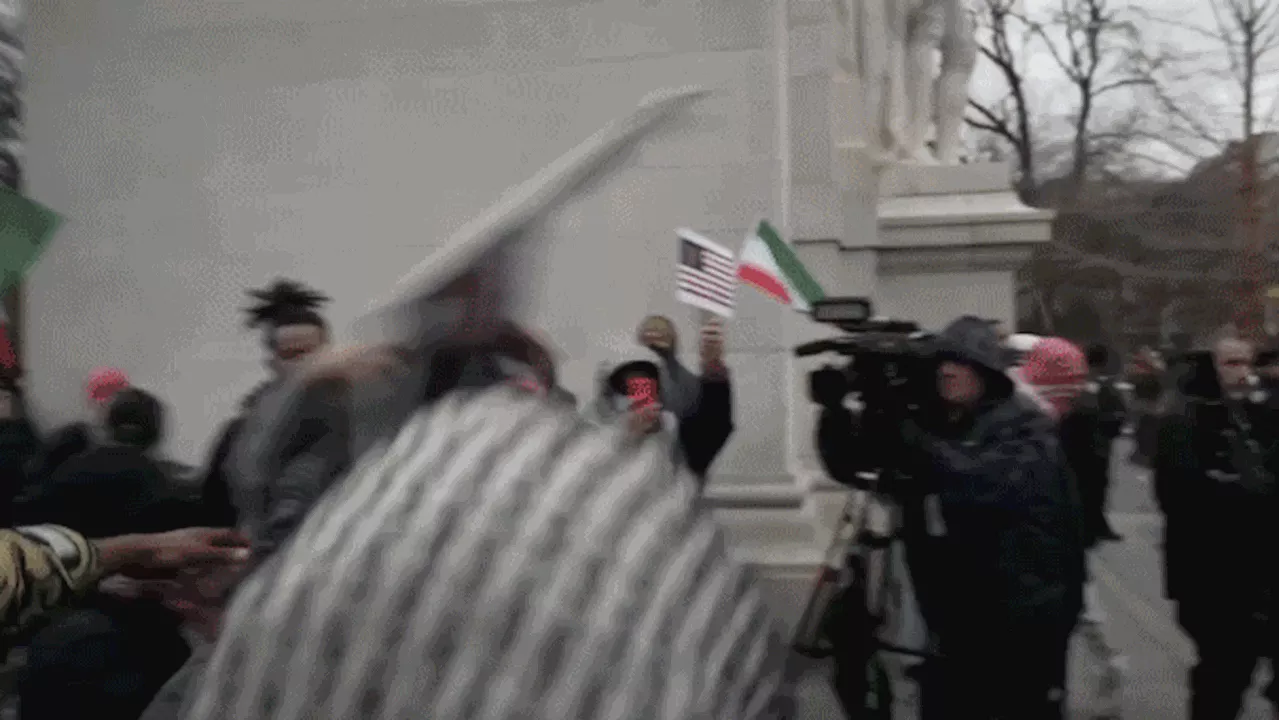
As the vigil progressed, tensions escalated when a man attempted to remove a poster of Khamenei. This act sparked physical confrontations, drawing a crowd of counter-protesters who expressed their opposition to the Iranian regime. Video footage captured the moment, showing chaotic scenes where participants shouted profanities and engaged in scuffles.
Political Divisions on Display
The atmosphere in Washington Square Park showcased the intense emotions tied to Khamenei’s death. An observer described the gathering as resembling the “People’s Republic of New York,” highlighting the fervent political expressions present. Counter-protesters waved Iranian, American, and Israeli flags, loudly chanting “U.S.A.” to convey their discontent with the Iranian leadership.
Among the counter-protesters, many voiced their opposition to the regime, emphasizing a desire for change in Iran. One protester told a reporter that they aimed to demonstrate that “Iranians don’t like the regime.” Another participant shared that their family in Iran actively opposes Khamenei’s government, expressing hope for a shift in power.
The flyers distributed by vigil organizers defended Khamenei’s legacy, claiming he had “defended the dignity of the Iranian people and stood firmly against Zionism and the criminal American regime.” They further stated that post-1979 Islamic Revolution, Iran severed ties with the “Zionist regime” and became the first nation to host a Palestinian embassy. This rhetoric reflects the broader geopolitical tensions that continue to influence attitudes toward Iran and its leadership.
Geopolitical Implications
The events in Washington Square Park illustrate the conflicting sentiments surrounding Khamenei’s death. While supporters mourned, counter-protesters celebrated, indicating a complex interplay of grief, opposition, and geopolitical dynamics. The altercations not only highlighted the deep divisions within the Iranian diaspora but also shed light on the wider implications of Iran’s political landscape.
The incident serves as a reminder of the enduring impact of Khamenei’s policies on both domestic and international fronts. As the situation continues to evolve, the reactions of the global community to Khamenei’s death will likely shape future discussions about Iran’s role in the region.
In conclusion, the vigil at Washington Square Park encapsulated the passionate responses elicited by Khamenei’s passing, revealing the stark contrasts in perspectives among those gathered. As the political landscape shifts in Iran, events like this will continue to resonate, reflecting the intricate tapestry of sentiments tied to the Iranian regime.
















