









































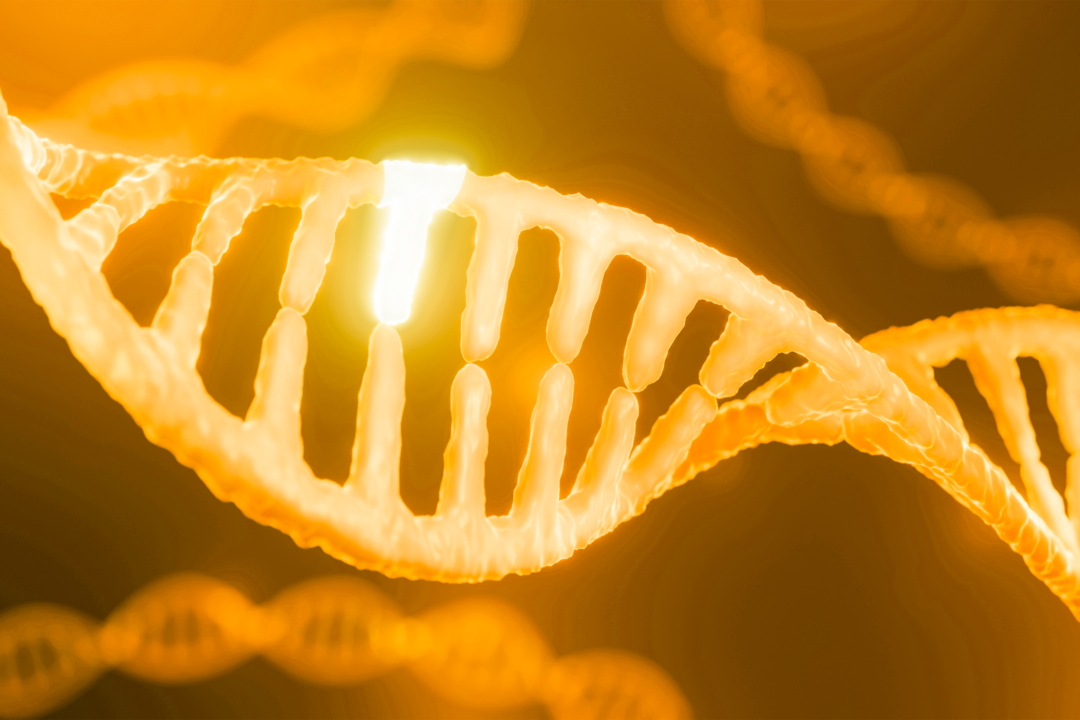
Research is increasingly challenging the long-held belief that our genetic makeup entirely dictates our health and aging. According to studies, genetics account for approximately 25 percent to 30 percent of how we age, while the remaining factors are largely under our control. This includes our diet, physical activity, stress management, and interpersonal relationships.
Lucia Aronica, a researcher at Stanford University specializing in epigenetics and nutrition, emphasizes that individuals play an active role in their health. In a recent interview on her new show, “The Upgrade,” Aronica highlighted the importance of daily choices, stating, “You are not just a passive reader of your genetic code, but an active writer of your health story every day with every choice.”
Understanding Epigenetics
Epigenetics explores how external factors can influence gene expression without altering the underlying DNA sequence. This field of study reveals that lifestyle choices can activate or deactivate certain genes, affecting overall health and longevity. For instance, a balanced diet rich in nutrients can positively influence gene expression, potentially enhancing lifespan and quality of life.
Research indicates that while we cannot change our genetic code, we can modify how our genes function through our behaviors. This concept reframes the narrative around aging, suggesting that individuals have the power to influence their health outcomes significantly.
The Role of Lifestyle in Aging
Nutrition, exercise, and mental well-being are critical components of healthy aging. A diet rich in fruits, vegetables, whole grains, and lean proteins can improve metabolic function and reduce the risk of chronic diseases. Regular physical activity not only supports physical health but also has profound effects on mental health, helping to manage stress effectively.
Stress management techniques such as mindfulness, meditation, and relaxation exercises also play a crucial role in epigenetic health. Chronic stress can lead to detrimental changes in gene expression, impacting both physical and mental well-being. Therefore, fostering resilience and maintaining a supportive social network are vital for promoting a healthier lifestyle.
Aronica’s work underscores the significance of these lifestyle factors in shaping our health trajectories. She advocates for a holistic approach, urging individuals to take charge of their health by making informed choices.
As research in epigenetics continues to evolve, it becomes increasingly clear that our health is not solely predetermined by genetics. Instead, our daily actions and decisions can profoundly influence how we age and our overall quality of life. By understanding this dynamic, individuals can empower themselves to create a healthier future.
In summary, while genetics plays a role in our aging process, it is the lifestyle choices we make that hold the key to unlocking our potential for longevity. Embracing this knowledge could lead to significant improvements in health outcomes worldwide.
















