


































Core strength is essential for maintaining overall health, particularly as individuals age. It supports proper posture, protects the spine, and enhances balance. When core strength diminishes, everyday activities such as walking, lifting, or even getting up from a chair can become challenging. While traditional static exercises like planks are commonly used, dynamic movements often yield better results, particularly for those over 50.
According to health experts, engaging in bodyweight core training offers a unique advantage. These exercises allow individuals to manage intensity, reinforce proper positioning, and build strength without straining the spine. Furthermore, they improve coordination between the hips, shoulders, and trunk, aiding in overall mobility and resilience as one ages.
Five Effective Bodyweight Core Exercises
The following exercises challenge the core in various ways and enhance functional strength that translates to daily life. Each movement demands more from the body than merely holding a position, making them ideal for individuals seeking to improve their core stability.
Dead bugs are excellent for training core stability while the limbs move independently. This exercise mimics real-life movements essential for walking, climbing stairs, or lifting objects. To perform dead bugs, lie on your back with your arms extended toward the ceiling and knees bent at 90 degrees. Lower your right arm and left leg toward the floor while keeping your trunk stable. Alternate sides, ensuring steady breathing. Aim for three sets of 8 to 10 repetitions per side, resting for 30 to 45 seconds between sets. If your lower back lifts off the floor, reduce the range of motion.
Hollow holds focus on creating tension across the entire core. This exercise teaches the body to brace as a cohesive unit, which is vital for maintaining posture and spinal control. Begin by lying on your back, pressing your lower back into the floor, and holding the position with steady breathing. Perform three to four sets of 20 to 40 seconds, resting for 45 seconds between sets. Quality of the hold is crucial; stop as soon as tension decreases.
Bear crawls enhance core stability while the limbs are in motion. This dynamic exercise also promotes coordination and shoulder stability, all while elevating the heart rate without impact. Start on all fours, keeping your knees slightly off the floor. Crawl forward slowly and controlled for three sets lasting 20 to 40 seconds, resting for one minute between sets. Visualizing balancing a glass of water on your back can help maintain stability during the movement.
For those focusing on lower abdominal engagement, reverse crunches are a suitable option. This exercise emphasizes pelvic control and reduces momentum, making it easier on the joints compared to traditional crunches. Lie on your back with knees bent and feet lifted. Brace your core and lift your hips slightly off the floor. Aim for three sets of 10 to 15 repetitions, resting for 30 to 45 seconds between sets. Concentrate on lifting the hips rather than swinging the legs.
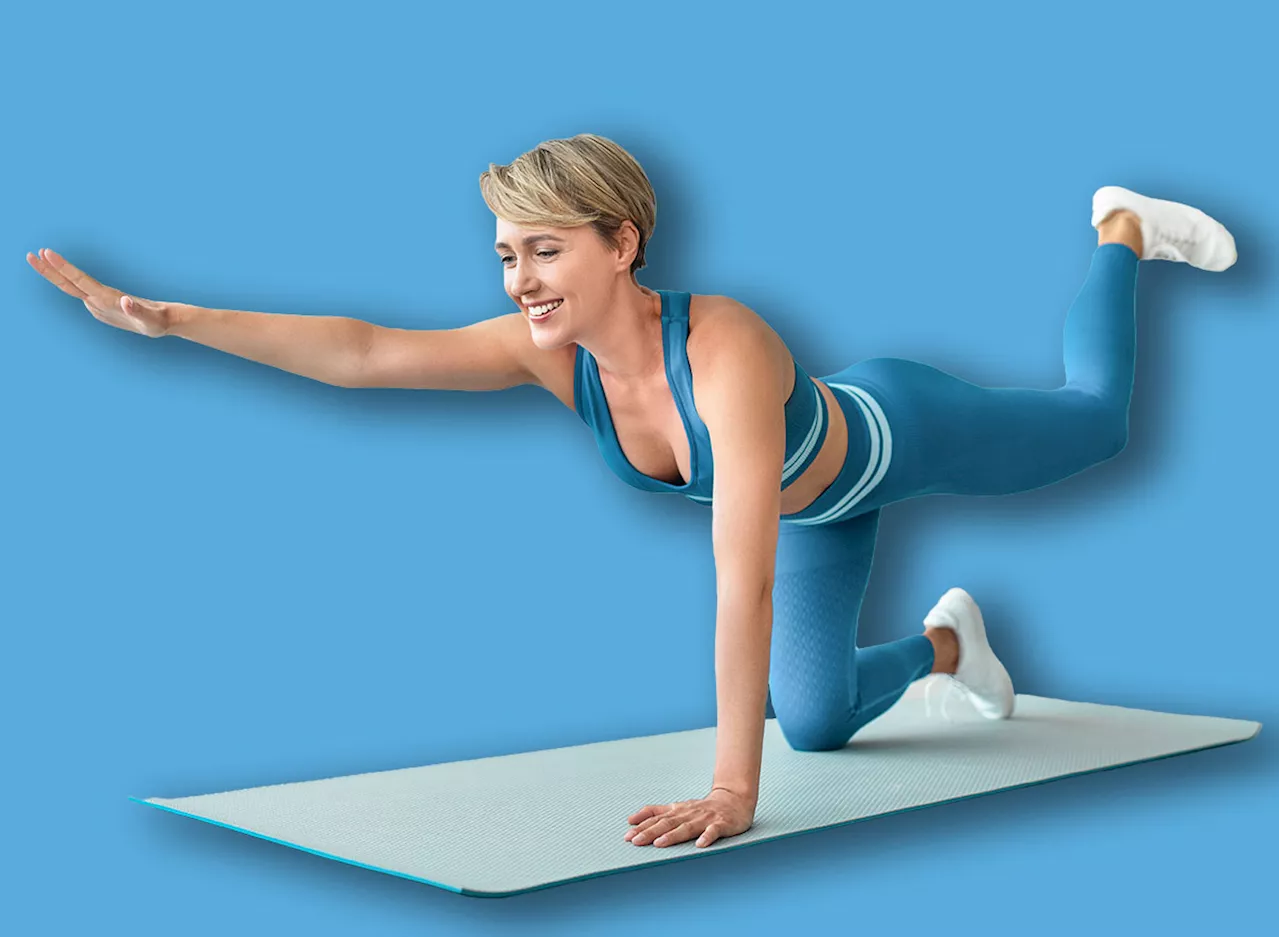
Finally, bird dogs reinforce spinal stability through controlled limb movements. This exercise not only improves balance and coordination but also fosters proper breathing patterns. Start on all fours with hands under your shoulders. Extend one arm forward while extending the opposite leg back, holding briefly before returning to the starting position. Complete three sets of 8 to 10 repetitions per side, resting for 30 seconds between each set. Move slowly to maintain balance and control.
Core Training Principles for Optimal Results
Achieving a strong core after 50 requires consistency, intentionality, and gradual progression. Short training sessions several times a week can be effective. It is crucial to increase the duration, repetitions, or complexity of exercises before adding more volume to the routine. Building core strength not only supports movement but also enhances stability and overall physical performance.
As individuals strengthen their cores, they often experience improved function and confidence in daily activities. Embracing these exercises can lead to a healthier and more active lifestyle, ensuring that the benefits of core strength extend well into later years.
















