









































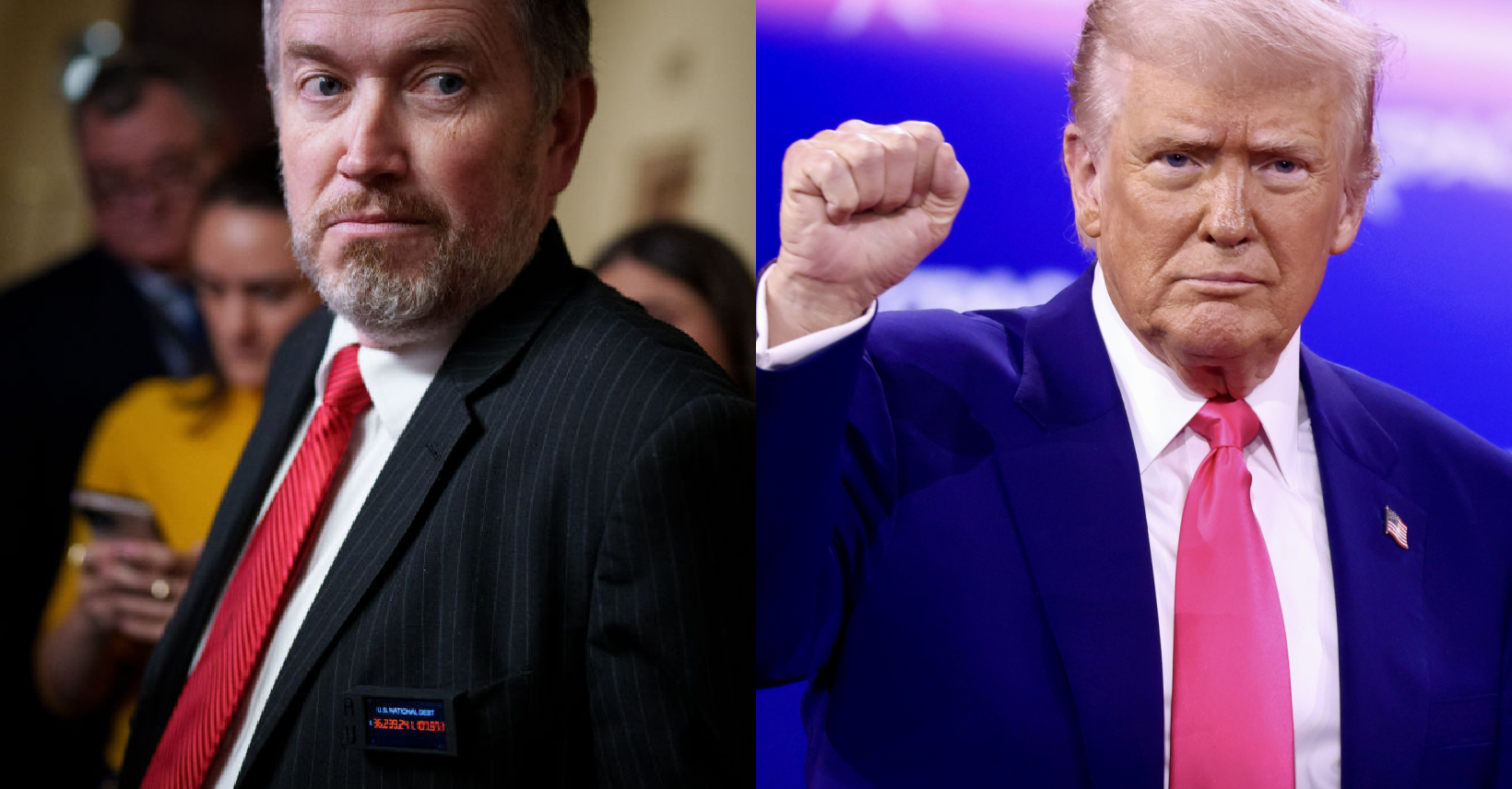
U.S. President Donald Trump has asserted that the White House is “locked and loaded” to intervene in Iran should the government continue to “violently kill peaceful protesters.” This statement comes in the wake of widespread protests across Iran, which have resulted in at least seven fatalities. The protests, fueled by economic turmoil and rising prices, have prompted strong reactions from both Iranian officials and U.S. political figures.
As unrest unfolds in cities such as Tehran, shopkeepers in the Grand Bazaar have reportedly staged protests, chanting “Azadi,” meaning freedom, and expressing solidarity with demonstrators. Iranian leadership has accused the U.S. and Israel of instigating these protests and has warned that any American intervention would cross a “red line.” Trump’s comments, shared on Truth Social, emphasized his commitment to supporting Iranian protesters, highlighting what he described as Tehran’s longstanding practice of suppressing dissent.
Despite Trump’s strong rhetoric, significant pushback is emerging from within the Republican Party. Representative Thomas Massie of Kentucky has publicly criticized Trump’s call for intervention, arguing that the U.S. should focus on domestic challenges rather than engaging in foreign conflicts. Massie stated, “We have problems at home and shouldn’t be wasting military resources on another country’s internal affairs.” He further emphasized that any military action would require Congressional authorization and suggested that the crux of the issue extends beyond freedom of speech, implicating financial interests tied to oil and Israel.
Another notable dissenting voice is Marjorie Taylor Greene, a Georgia Representative who previously supported Trump. Greene echoed Massie’s sentiments, asserting that Trump’s focus should be on domestic issues rather than international military actions. She remarked on social media about the anger among Trump voters regarding perceived wasteful spending on foreign conflicts, stating, “The focus should be on tax dollars here at home and defending our God-given freedoms and rights.”
The criticism from Republican lawmakers highlights a growing rift within the party regarding foreign policy, particularly in the context of U.S.-Iran relations. Both Massie and Greene have drawn attention to the influence of Israel in this discourse. Benjamin Netanyahu, the Prime Minister of Israel, has been a longstanding advocate for U.S. intervention in Iran, citing concerns over its nuclear ambitions.
In light of recent developments, the tensions between the U.S. and Iran may escalate further if military intervention is pursued. The Iranian government continues to assert that any external interference would be met with significant resistance. As the situation evolves, the implications for U.S. foreign policy and its relationship with Iran remain uncertain.
Trump’s comments and the subsequent reactions from within his party illustrate a complex landscape of political opinion regarding military intervention. As protests in Iran gain momentum, the international community is watching closely, aware of the potential ramifications both for the region and for U.S. domestic politics.
















