









































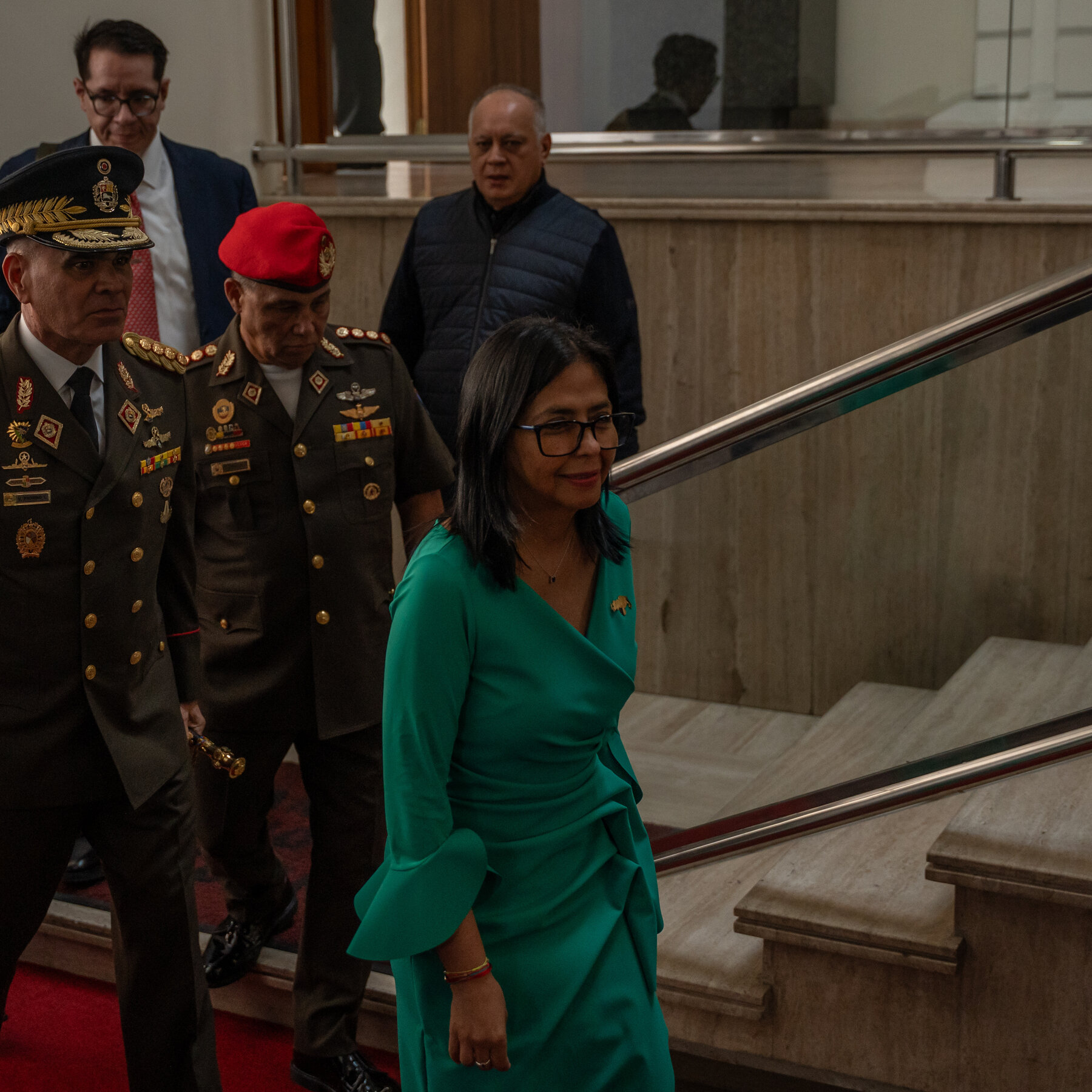
Venezuela is undergoing a significant political transition as the new leadership grapples with the dual challenge of appeasing the United States while managing the expectations of local elites. This shift in power comes at a time when the country is facing numerous economic and social challenges, making the formation of a stable coalition essential for the new administration’s survival.
The recent departure of long-standing political figures has created a vacuum that the new leadership must navigate carefully. Experts warn that maintaining a coalition among various political factions is critical to avoid fragmentation and ensure stability. According to political analysts, failure to balance these interests could lead to a resurgence of opposition movements and further destabilize the country’s already fragile political landscape.
President Nicolás Maduro‘s administration has historically faced criticism from the U.S. due to concerns over human rights violations and the erosion of democratic norms. Now, as the new leadership steps in, there is a pressing need to mend relations with Washington to secure economic assistance and investment. The U.S. government, recognizing the potential for change, is closely monitoring developments in Venezuela, with officials emphasizing the importance of reforms that align with democratic principles.
Coalition Dynamics and Political Survival
To successfully navigate this complex political environment, the new leaders must forge alliances with influential elites who have significant power and resources. These elites, who have often been at odds with the government, can either support the new administration or work to undermine it. Political experts emphasize that building a broad coalition will be vital for the new leaders to maintain authority and credibility.
The economic situation in Venezuela remains dire, with hyperinflation and widespread poverty affecting millions. The new leadership will need to address these pressing issues while also managing the expectations of their political allies. According to a report from the International Monetary Fund, the country’s GDP contracted by over 30% in the past five years, underscoring the urgent need for effective economic policies.
In addition to domestic challenges, the new leadership must also navigate external pressures. The U.S. has signaled a willingness to engage, but this will depend on tangible actions from the Venezuelan government. Experts note that any perceived lack of commitment to reform could result in renewed sanctions or diplomatic isolation.
Looking Ahead: A Balancing Act
As Venezuela’s new leaders craft their agenda, they face the daunting task of balancing the demands of both the U.S. and local elites. The ability to maintain this delicate equilibrium will be crucial for their political survival. Observers will be watching closely to see how the emerging administration addresses these challenges in the coming months.
The future of Venezuela depends significantly on the new leadership’s capacity to establish a functioning government that can respond to the needs of its people while also rebuilding vital international relationships. The stakes are high, and the consequences of missteps could be profound, not only for the new administration but for the country’s long-term stability.
In conclusion, the unfolding political situation in Venezuela presents both opportunities and risks. The new leadership’s success will hinge on its ability to navigate these complexities, fostering a coalition that reflects the diverse interests of the nation while also meeting the expectations of the international community.
















