









































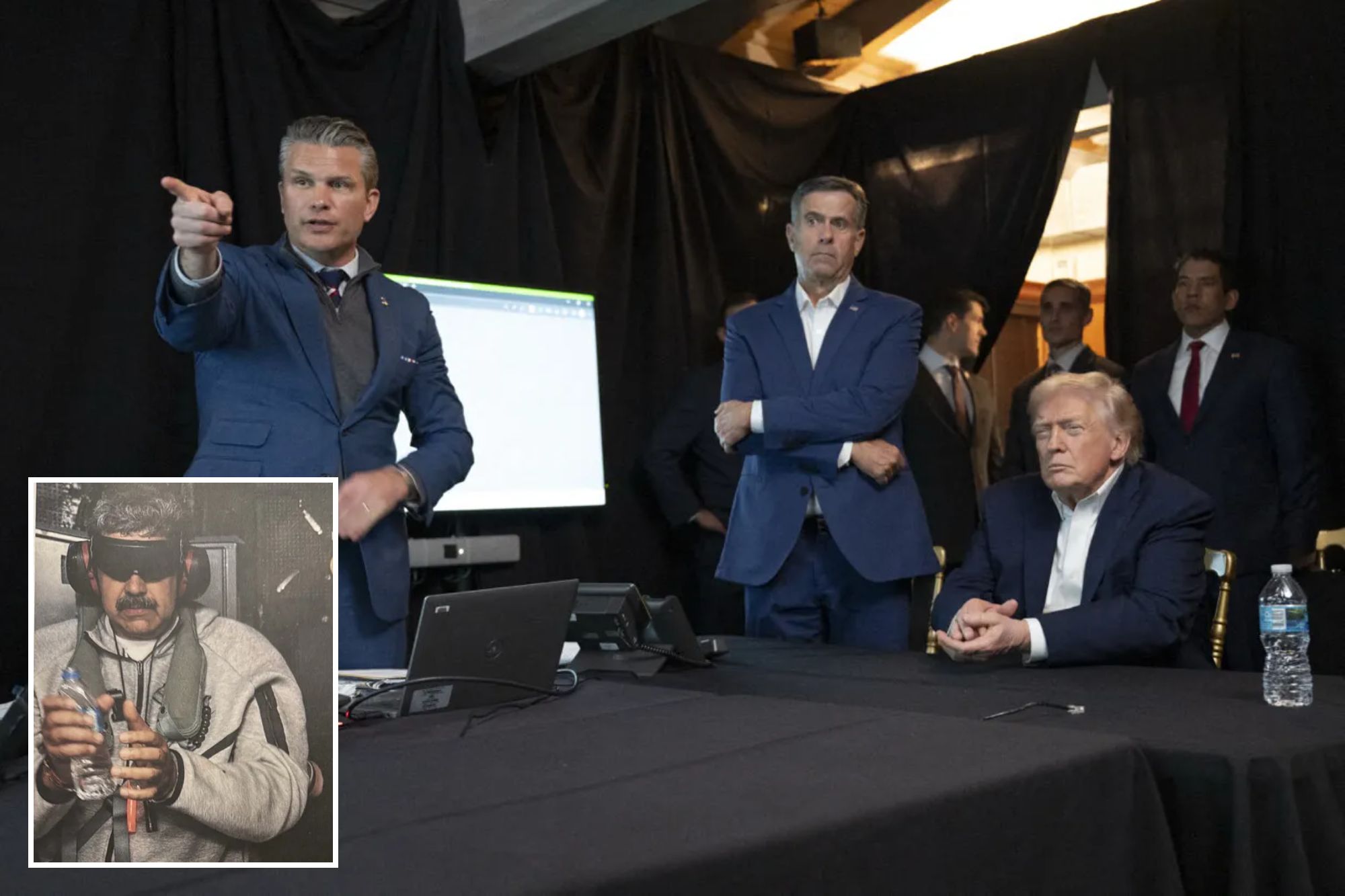
The US military successfully captured Venezuelan dictator Nicolás Maduro and his wife during a special operations raid last month. Both individuals were brought to the United States to face extensive narcotics charges. This operation marked a significant moment in international law enforcement, enhanced by the use of Anthropic’s artificial intelligence tool, Claude.
According to a report from The Wall Street Journal, the AI tool was deployed through a partnership between Anthropic and Palantir Technologies. This collaboration has allowed the US Defense Department and federal law enforcement to leverage advanced data analytics in their operations. The specific role of Claude in the operation remains undisclosed, as an Anthropic spokesperson stated, “We cannot comment on whether Claude, or any other AI model, was used for any specific operation, classified or otherwise.”
Despite the lack of detail, the spokesperson emphasized that any use of Claude must comply with their Usage Policies, which prohibit applications related to violence, weapons, or surveillance. The spokesperson reassured that Anthropic maintains oversight of both classified and unclassified uses of Claude, ensuring adherence to their guidelines and those of their partners.
The Department of War has not provided comments on the operation, further maintaining the confidentiality surrounding this significant military action. Notably, Anthropic is recognized as the first AI model developer to be utilized in classified operations by the Department of War, according to the Journal.
Concerns regarding the Pentagon’s use of Claude have previously prompted discussions within the Trump administration about potentially canceling a contract valued at up to $200 million, awarded in the summer of 2022. This contract underscores the growing importance of AI technology in military applications, which can range from document summarization to autonomous drone control.
In December 2022, War Secretary Pete Hegseth highlighted the urgency of integrating AI in defense strategies, stating, “The future of American warfare is here, and it’s spelled AI.” He acknowledged that as technologies evolve, so too do adversaries, reinforcing the need for the US military to remain proactive in technological advancements.
The successful operation to capture Maduro represents a complex intersection of international law enforcement and cutting-edge technology, setting a precedent for future operations that may employ AI tools in similar capacities. The implications of such technology in military and law enforcement contexts continue to unfold as discussions about ethical usage and regulatory compliance evolve.
















