






































The United States is experiencing a surge in air travel, with the ten busiest airports accounting for approximately 35% of all flights in the country. According to data from OAG, demand for air travel is projected to rise by 2% in 2025 compared to the previous year. This article examines the busiest airports in the U.S. for summer 2025, highlighting their available seating capacities, popular routes, and the airlines that operate from these critical hubs.
Overview of the Busiest Airports
At the forefront is Hartsfield–Jackson Atlanta International Airport (ATL), which continues to hold its position as the busiest airport in the U.S. with over 38.1 million seats available. The airport processed more than 108 million passengers in 2024, reaffirming its status as a leading global hub. Dominating operations at ATL is Delta Air Lines, which commands a remarkable 74% market share, connecting travelers to destinations worldwide, including Johannesburg OR Tambo International Airport (JNB).
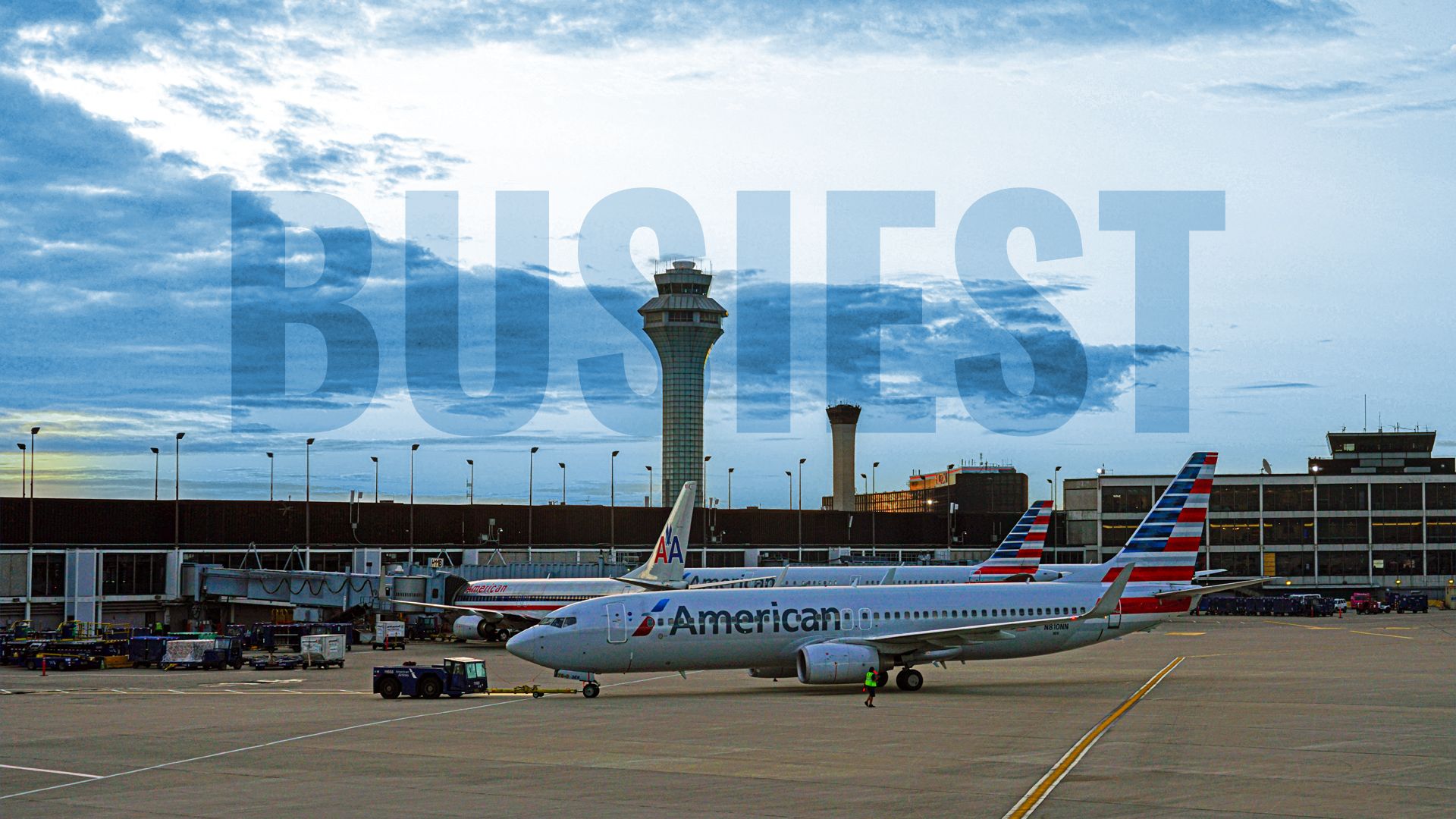
Following closely is Chicago O’Hare International Airport (ORD), the second-busiest airport in the nation. It reported more than 31.3 million seats in summer 2025. The airport serves as a critical hub for both American Airlines and United Airlines, offering flights to numerous international destinations across Europe and Asia. Notably, ORD processed around 80 million passengers in 2024, falling short of its pre-pandemic peak of 84.6 million in 2019.
Ranked third is Dallas/Fort Worth International Airport (DFW), with over 30.7 million seats available. It serves as American Airlines’ largest hub, holding a market share of over 66%. DFW had a record year in 2024, processing more than 84 million passengers, and anticipates continued growth in 2025.
The fourth position is held by Denver International Airport (DEN), which boasts more than 29.7 million seats. United Airlines is the largest operator at DEN, commanding 49% of the market. The airport is known for its extensive domestic services, with popular routes to cities like Phoenix and Chicago.
Coming in fifth is Los Angeles International Airport (LAX), which reported 27.1 million available seats. LAX is a significant hub for Delta Air Lines, United Airlines, and American Airlines, with the busiest international route being to London Heathrow (LHR).
Additional Key Airports in Rankings
In sixth place is John F. Kennedy International Airport (JFK), with 23.6 million seats. JFK is renowned for its international connections, hosting a variety of global carriers including Emirates and Virgin Atlantic. The airport is notable for hosting the world’s longest nonstop commercial flight operated by Singapore Airlines to Singapore Changi Airport (SIN).
Seventh on the list is Harry Reid International Airport (LAS) in Las Vegas, with over 20.3 million available seats. Southwest Airlines has a dominant presence here, capturing more than 40% of the market share. The airport reported over 58 million passengers in 2024, surpassing its pre-pandemic peak.
The eighth-busiest airport is Charlotte Douglas International Airport (CLT), with 20.1 million seats. American Airlines dominates operations here, particularly on domestic routes to cities like Orlando and New York (LaGuardia).
In ninth place is San Francisco International Airport (SFO), which rose to this rank with over 19.6 million seats available. United Airlines significantly influences operations at SFO, with the busiest domestic route to LAX.
Finally, rounding out the top ten is Seattle-Tacoma International Airport (SEA), also with 19.6 million seats. It serves as a critical hub for both Alaska Airlines and Delta Air Lines, connecting travelers to key destinations such as Los Angeles and Tokyo.
As air travel demand continues to grow, these airports are vital in facilitating domestic and international connections, reflecting a resilient recovery in the aviation sector. The data underscores the importance of these hubs in accommodating the increasing number of passengers seeking to travel in 2025 and beyond.