









































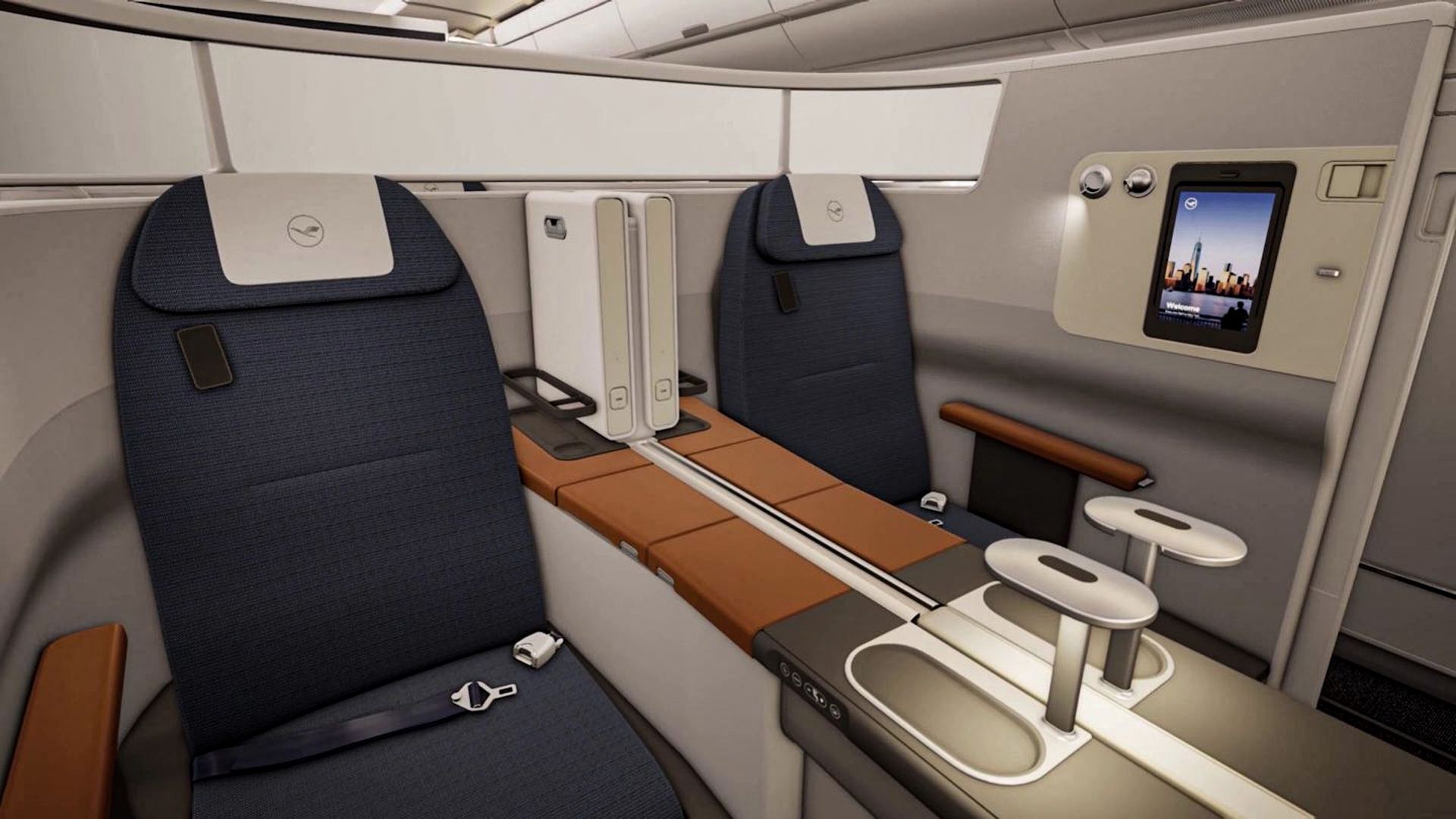
Passengers often find the allure of upgrading to business class hard to resist, attracted by wider seats, enhanced dining options, lounge access, and priority service. A prevalent notion is that waiting until check-in—either online or at the airport—will result in a more expensive upgrade. However, this assumption is not always accurate. The reality of airline pricing is complex, influenced by various factors including demand, available inventory, passenger status, and the original fare purchased.
Understanding Dynamic Pricing for Upgrades
Airlines employ dynamic pricing strategies for upgrades, meaning costs fluctuate based on real-time supply and demand. By the time check-in opens, airlines have a solid understanding of how full the aircraft will be and how many business class seats remain unsold. If only a few premium seats are left, airlines often price upgrades aggressively, especially on high-demand routes such as New York John F. Kennedy International Airport (JFK) to Los Angeles International Airport (LAX).
For instance, a passenger on a busy Delta Air Lines transcontinental flight might see an upgrade offer for $250 days before departure. If those seats remain available as the flight date approaches, the price may decrease. Conversely, if demand spikes and only one or two seats are left at check-in, that same upgrade could soar to $700 or more within hours. This price increase is not a direct result of timing but rather reflects the scarcity of available seats.
The dynamic pricing model also ensures that two passengers on the same flight might receive different upgrade offers based on their fare class, booking method, and loyalty status. Some airlines are becoming more stringent with complimentary or discounted upgrades, prioritizing elite members of frequent flyer programs.
The Role of Loyalty Programs and Timing
Frequent flyer programs like American Airlines’ AAdvantage and United Airlines’ MileagePlus significantly influence upgrade opportunities and pricing. Elite members often receive priority for complimentary or discounted upgrades, which are processed before general passengers can purchase them at check-in. For example, Medallion members of Delta Air Lines are eligible for complimentary upgrades on domestic routes. Higher-tier members, such as Diamond and Platinum Medallion, often secure upgrades well in advance, leaving fewer premium seats available for non-elite travelers at check-in.
Similarly, American Airlines processes complimentary upgrades for elite members ahead of departure. If multiple elite passengers are waitlisted, remaining seats may be booked before general customers have the chance to inquire at the airport counter. This creates the perception that upgrades at check-in are expensive, when in reality, the availability may be limited due to loyalty upgrades that have already been granted.
Many airlines also proactively market upgrade offers before check-in begins. Passengers frequently receive emails or app notifications inviting them to upgrade at a fixed price, often several days or even weeks before departure. These early offers can sometimes be more affordable than those presented at check-in. For example, a passenger flying from Dallas/Fort Worth International Airport (DFW) to Miami International Airport (MIA) on American Airlines might encounter an upgrade offer for $180 three days before departure. If this offer is ignored and business class fills up, the check-in price may rise to $350 or more.
The timing of these offers is crucial; early upgrade offers are based on anticipated demand, while check-in pricing reflects actual booking levels. As the departure date nears, airlines gain clearer insights into load factors, often resulting in firmer and sometimes higher prices.
In addition to timing, the type of economy class ticket purchased also plays a vital role in upgrade eligibility. Basic economy fares typically restrict upgrade opportunities, meaning passengers who opt for these low-cost tickets may find it challenging to upgrade unless they hold elite status. For example, Delta Air Lines’ Basic Economy tickets generally do not allow paid or complimentary upgrades until specific conditions are met.
Passengers purchasing more flexible economy tickets are more likely to see upgrade options at check-in. However, the pricing shown may reflect the difference between the original fare and the current price of business class. For instance, upgrading from a basic economy ticket can seem disproportionately expensive compared to a passenger who initially booked a higher fare class.
Market Demand and Last-Minute Offers
The perception that speaking directly with an airport agent yields better upgrade deals is often misleading. In most cases, airline agents have limited discretion over upgrade pricing, and offers presented at the counter are generated by the same automated systems used for online upgrades. Nevertheless, there are instances where last-minute operational needs can influence pricing.
If a flight is oversold in economy but has vacant business class seats, gate agents may offer discounted upgrades to balance the load. For example, on a lightly booked midday flight operated by Alaska Airlines, a gate agent might propose a reduced upgrade fee to alleviate an oversell in the main cabin. Such situations are unpredictable and depend on load management needs.
The broader economic climate also plays a role in upgrade costs. High corporate travel demand, peak holiday seasons, and significant events typically result in higher business class occupancy. During these times, airlines are less inclined to provide discounts on premium seats at check-in. Conversely, during quieter travel seasons, such as late January or early September, airlines may reduce upgrade prices to capture additional revenue that might otherwise be lost.
Ultimately, the notion that upgrades at check-in are always more expensive is not universally accurate. Pricing reflects a real-time assessment of how much an airline believes it can sell each remaining seat for, which can fluctuate based on demand and inventory levels. Thus, while some last-minute upgrades may be costly, others can present excellent value depending on the circumstances.
















