









































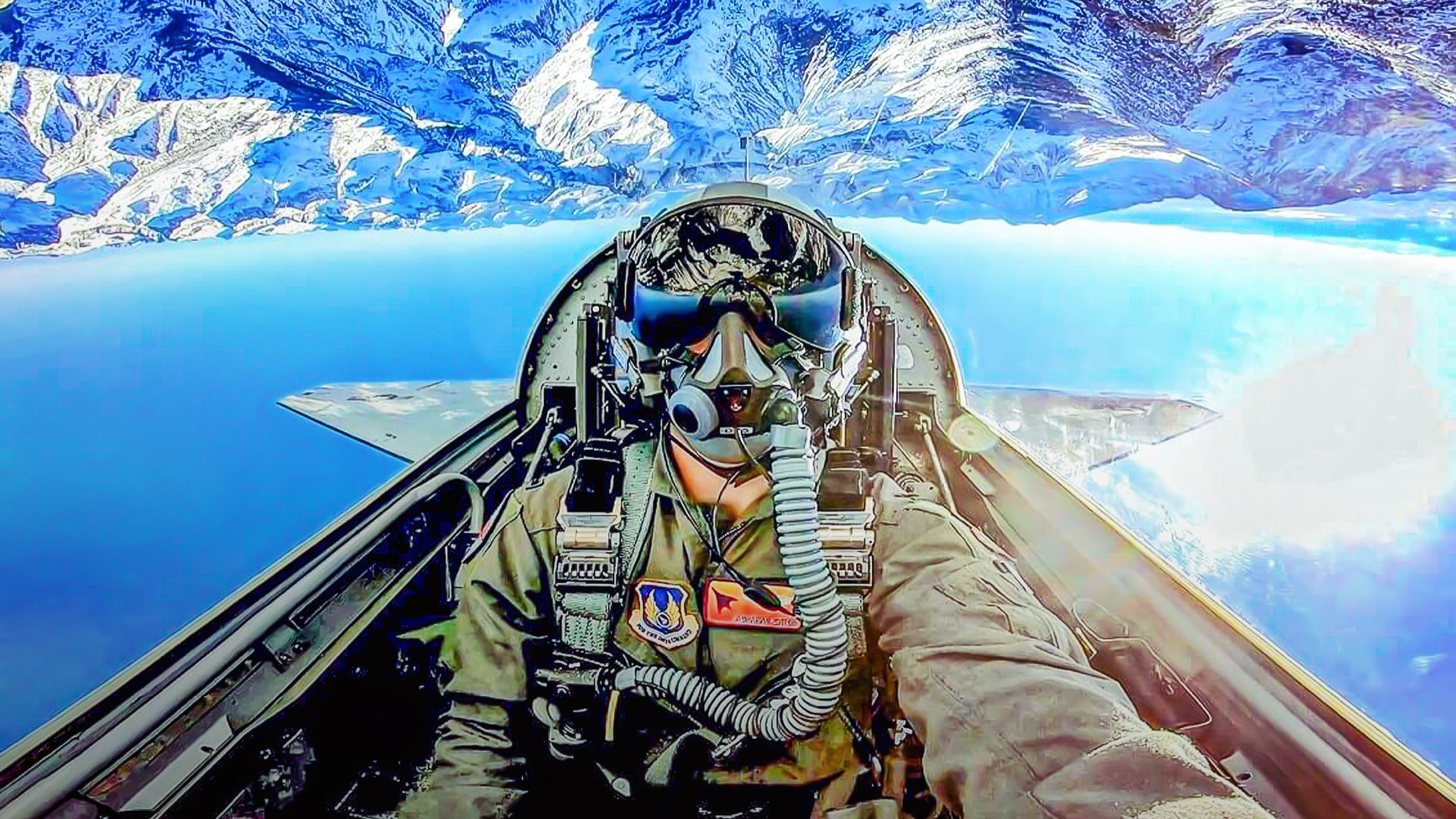
The compensation structure for fighter pilots in the United States Air Force (USAF) in 2026 is complex, reflecting various factors such as rank, years of service, and location. While conventional wisdom may suggest a straightforward salary figure, a closer look reveals a nuanced assembly of base pay, aviation incentives, and allowances.
All fighter pilots start with a basic active-duty officer salary, which aligns with published pay tables for commissioned officers. In 2026, a newly minted Second Lieutenant earns a basic monthly salary of approximately $4,150, translating to an annual income of around $49,800. As pilots progress to ranks like Captain and Major, their salaries increase, reflecting their accumulated experience and training.
Understanding the Pay Structure
The compensation for fighter pilots incorporates various components beyond the base salary. For instance, Aviation Incentive Pay begins at around $150 per month and can go up to $1,000 depending on years of aviation service. Moreover, tax-advantaged allowances, including housing and subsistence, significantly influence overall earnings. A newly commissioned Second Lieutenant typically receives a Basic Allowance for Subsistence (BAS) of about $328 monthly, alongside housing allowances that can range from $1,800 to as high as $2,200 based on their station and dependent status.
These additional factors mean that two pilots of the same rank can take home vastly different salaries. Early-career compensation often exceeds basic pay alone due to these allowances, making fighter pilots among the better-compensated officers in the military.
Career Progression and Salary Growth
As pilots gain experience, their pay structure evolves. During the first three years post-commissioning, they typically train and may not see substantial salary increases. Once promoted to First Lieutenant (O-2), their monthly basic pay increases to around $4,782. After a few years in service, many pilots achieve the rank of Captain (O-3), which can command a salary of up to $7,382 per month, amounting to around $88,592 annually.
In addition to the base pay, pilots may receive significant boosts from Aviation Incentive Pay, which can increase to around $700 per month after six years of service. Other allowances, including food and housing, further enhance their financial package. Additionally, pilots benefit from 30 days of paid leave annually and educational benefits, such as those offered by the Post-9/11 GI Bill.
For senior pilots, such as Majors, Lieutenant Colonels, and Colonels, the pay becomes more standardized. Base salaries typically exceed six figures, with benefits stacking on top of that. Senior pilots often transition into leadership roles, which include instructor duties alongside their flying responsibilities, further enhancing their earning potential.
The overall compensation for Air Force pilots remains competitive, especially as the aviation sector faces a talent crunch. Airlines are actively seeking skilled pilots, driving up salaries in the civilian market.
Comparative Analysis with Civilian Salaries
When comparing military salaries to their civilian counterparts, significant differences emerge. According to the United States Bureau of Labor Statistics, the median pay for airline pilots stands at around $226,000, incorporating both new first officers and seasoned captains. Entry-level positions at major airlines typically offer salaries in the low-to-mid six figures, while experienced captains can exceed $400,000 annually.
Cargo airlines, such as FedEx and UPS, also offer competitive salaries, particularly for pilots flying larger freighter aircraft. Meanwhile, regional airlines have seen substantial pay increases, with first officers earning around $100,000 and captains occasionally earning slightly more.
While financial compensation is a key consideration for aspiring pilots, the allure of flying military aircraft and the fulfillment derived from such a role cannot be overlooked. Many fighter pilots choose to transition to civilian careers after their military service, bringing their unique skill sets to various sectors, including business and politics.
In summary, the journey to becoming a fighter pilot in the USAF involves rigorous training and commitment, with compensation that reflects the complexity of the role. While there are lucrative opportunities in the civilian aviation sector, many pilots find their military experience enriching and satisfying in ways that extend beyond salary.
















