









































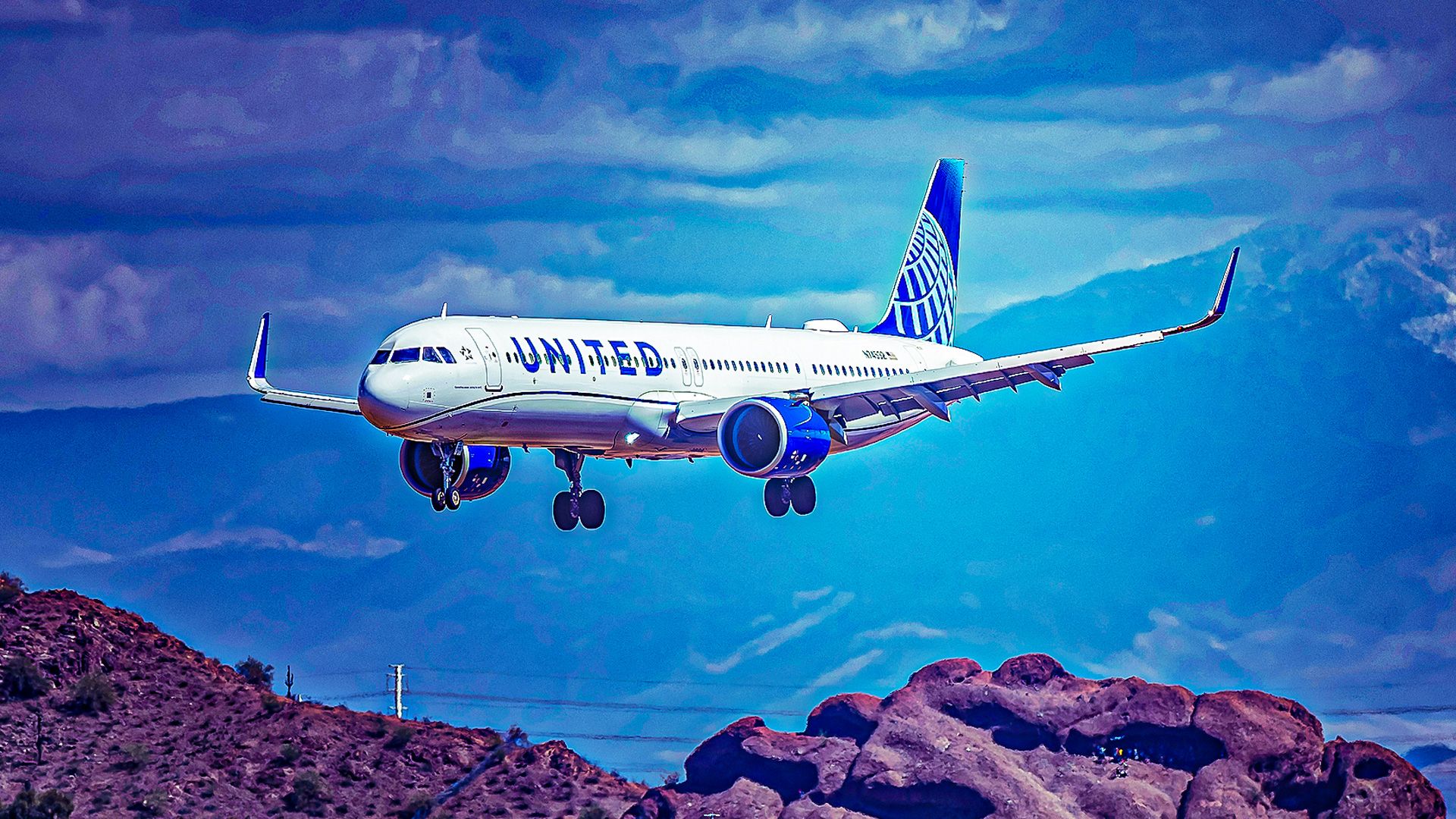
Brazil’s antitrust regulator has approved United Airlines’ significant investment in Azul Linhas Aereas, increasing its stake from approximately 2% to 8%. The approval comes as Azul navigates bankruptcy proceedings and restructures its operations. The airline, currently the third-largest in Brazil, has garnered attention from other major carriers, including American Airlines, which has indicated a desire to make a similar investment.
Investment Details and Regulatory Approval
The Brazilian competition authority, known as CADE, granted United’s $100 million investment without imposing any conditions. This decision was based on an assessment that the investment does not threaten fair competition within the Brazilian aviation market. United Airlines has maintained a minority stake in Azul since 2014, benefiting from a strategic partnership that includes codeshare routes and shared frequent flyer programs.
Azul operates an extensive network of around 150 destinations with a fleet of over 170 aircraft. This investment marks a pivotal moment for the airline, which has faced significant financial challenges since filing for Chapter 11 bankruptcy in May 2025. As part of its restructuring efforts, a US court recently approved a plan for Azul to reduce its debt by more than $2 billion.
Amid these developments, Brazil’s IPS Consumo has criticized CADE’s swift approval process, arguing that it did not thoroughly explore the implications for competition within the sector.
Strategic Implications for United Airlines and Azul
United’s decision to increase its economic interest in Azul reflects its commitment to maintaining a strong presence in the Brazilian market. The partnership allows United customers to connect with a vast array of Brazilian cities, while Azul passengers gain access to United’s long-haul routes to destinations in the US, Asia, and Europe.
Given Azul’s ongoing financial difficulties, United perceives an opportunity to enhance its investment at a favorable cost. American Airlines appears to share this perspective, as it prepares to make a substantial investment of its own. However, American already has significant ties to GOL, a competing Brazilian airline, complicating its potential engagement with Azul.
Azul’s bankruptcy was precipitated by the financial turmoil experienced by many South American airlines during the COVID-19 pandemic. The airline accumulated substantial debts and faced high leasing costs, exacerbated by its reliance on the US dollar. To bolster its financial standing, Azul is also planning a separate public equity offering valued at approximately $650 million.
If all proceeds as planned, Azul is projected to emerge from bankruptcy by the end of the first quarter of this year, with its debt reduced by around 60%. Initial discussions regarding a merger with GOL were abandoned a few months ago, as Azul opted for an independent restructuring strategy.
Azul’s current fleet includes over 175 aircraft, primarily composed of narrowbody models from Airbus and Embraer, as well as a small selection of ten Airbus A330 widebody jets. The airline previously operated two Airbus A350s, which were phased out two years ago.
The collaboration between United Airlines and Azul exemplifies the dynamic nature of international aviation partnerships, particularly in light of recent challenges faced by airlines worldwide. As both carriers move forward, their ability to adapt to the evolving market landscape will be critical in ensuring their continued success in the competitive airline industry.
















