















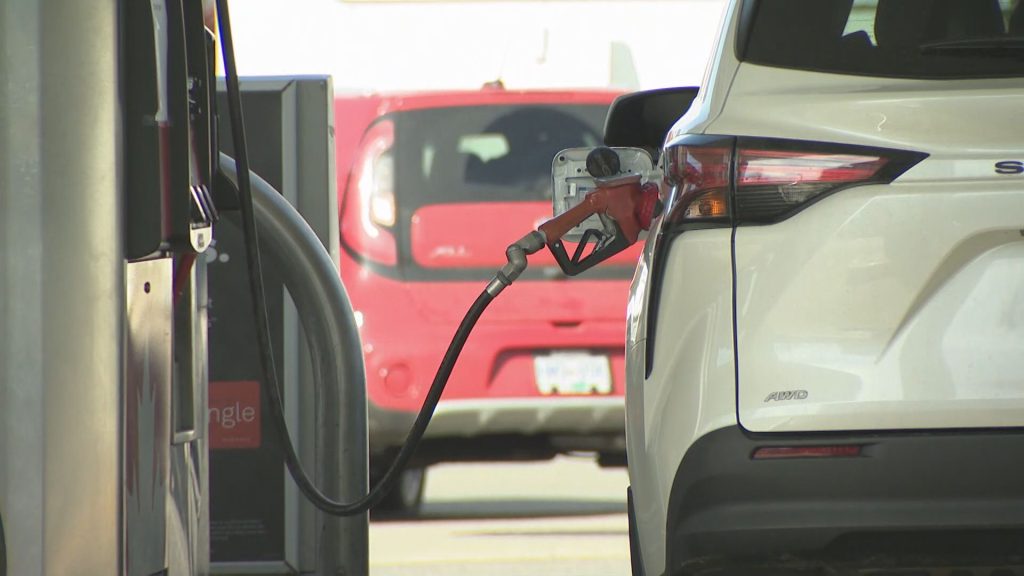





















Inflation in the UK has increased for the first time in five months, reaching 3.4% in December, according to the Office for National Statistics. This rise from 3.2% in November may influence the Bank of England’s decision regarding interest rates. Economists had anticipated a smaller increase, predicting a rise to 3.3%.
The latest data suggests that the Bank of England’s monetary policy committee is likely to maintain the current interest rate at 3.75% during its meeting in February. However, there is a growing consensus among economists that a rate cut could occur as early as April, contingent on whether inflationary pressures ease in the coming months.
Economic Forecast and Government Response
Despite the recent uptick, inflation is projected to decline overall through 2026, following a downward trend since September’s rate of 3.8%. The Bank of England aims to bring inflation closer to its target of 2% by mid-2024.
Chancellor of the Exchequer, Rachel Reeves, has prioritized addressing the cost of living in her autumn budget, which includes measures amounting to £26 billion in tax increases. These efforts are designed to stabilize public finances and facilitate the lifting of the two-child benefit cap. The Bank of England anticipates that Reeves’ policies, which encompass relief on energy bills, prescription charges, and fuel duty, will help reduce headline inflation this year.
Employment Trends and Wage Growth
Recent employment data indicates a softening of inflationary pressures within the UK economy. Wage growth has slowed, reporting an increase of 4.5% in the three months leading up to November, down from 4.6% in the preceding three-month period. This trend may further influence the central bank’s approach to interest rates as they assess the economic landscape.
As the situation continues to evolve, both the government and the Bank of England remain vigilant in monitoring inflationary trends and their potential impact on households across the UK.
















