









































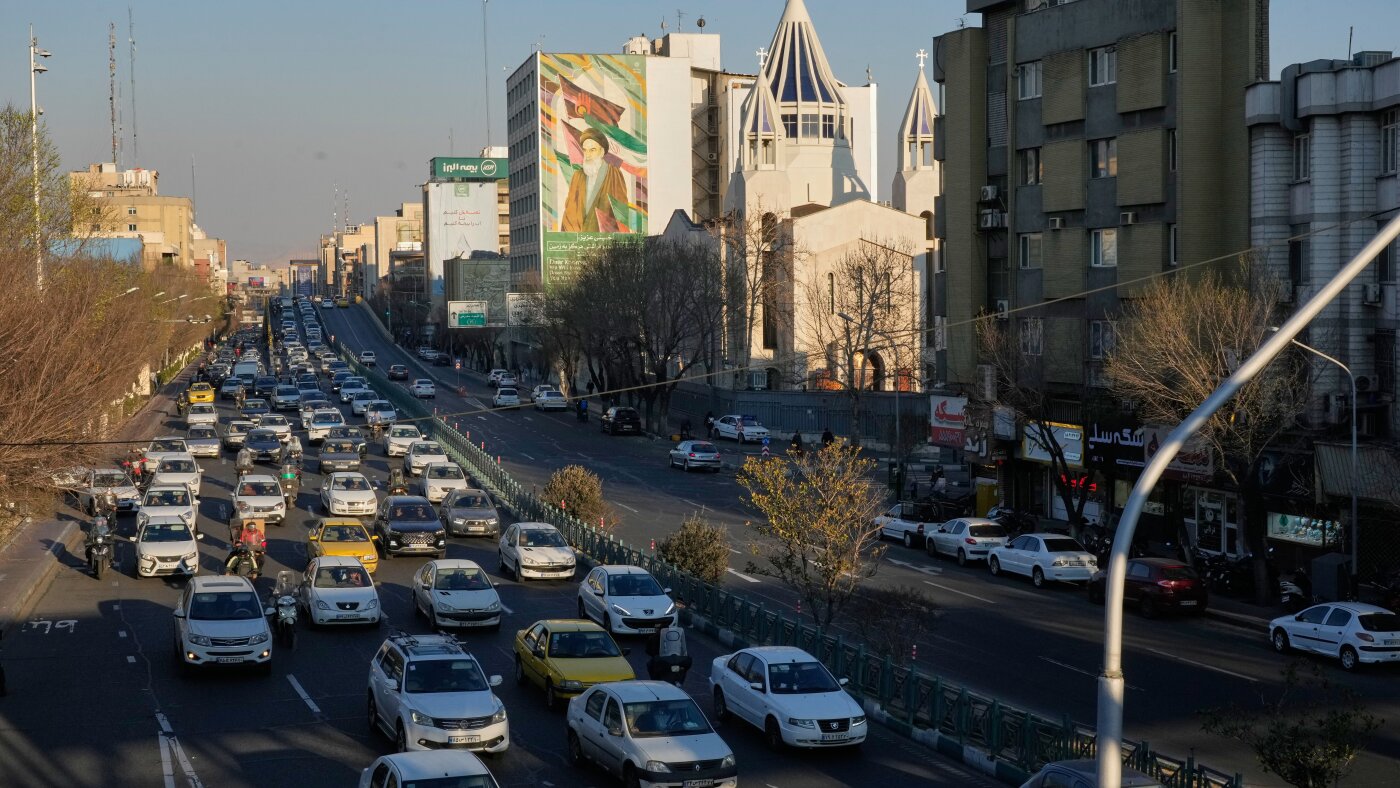
Negotiations between the United States and Iran are set to resume in Geneva, with talks scheduled for Thursday aimed at addressing the contentious issue of Iran’s nuclear program. This round of discussions represents a pivotal opportunity for diplomacy, particularly in light of increased military presence from the U.S. in the Middle East, which includes a fleet of aircraft and warships intended to exert pressure on Tehran.
U.S. President Donald Trump has been vocal about his desire for a robust agreement to limit Iran’s nuclear capabilities. The backdrop of these negotiations is significant, as Iran faces internal unrest following widespread protests last month. Despite this domestic turbulence, Iran insists on its right to enrich uranium, a position that remains contentious after U.S. military actions in June targeted several nuclear sites.
Iran’s Foreign Minister, Abbas Araghchi, articulated the potential consequences of a military confrontation, stating that any U.S. attack would render all American military bases in the region legitimate targets. He warned of a devastating war that could engulf the entire Middle East, emphasizing the dire implications of escalating tensions.
This latest round of discussions marks the third session since June, where Araghchi will again engage with Steve Witkoff, a billionaire real estate developer serving as a special Middle East envoy for the U.S. The negotiations are being facilitated by Oman, which has historically acted as an intermediary between Iran and Western nations. Araghchi met with Badr al-Busaidi, Oman’s Foreign Minister, upon his arrival in Geneva to outline Iran’s proposals for the nuclear program.
Key Issues on the Table
The primary focus of this round of negotiations is the halt of Iran’s uranium enrichment activities. Trump has emphasized the need to address not only the nuclear program but also Iran’s ballistic missile development and its support for militant groups in the region. In contrast, Iran maintains that discussions should remain strictly limited to nuclear matters.
U.S. Secretary of State Marco Rubio expressed concerns about Iran’s ongoing attempts to rebuild aspects of its nuclear program. He noted that while Iran is not currently enriching uranium, there are indications that they are positioning themselves to resume such activities. Iran has claimed a cessation of enrichment since June but has obstructed inspections from the International Atomic Energy Agency (IAEA) at the bombed sites, raising further questions about transparency.
Regional Implications and Military Concerns
The stakes are high, as failure in these talks could lead to military action. The U.S. has not publicly outlined its plans should negotiations collapse, leaving uncertainties about the implications of a potential attack on Iran. If military action is intended to compel Iran to make concessions, the effectiveness of limited strikes remains questionable. A more aggressive approach aimed at regime change could lead to a prolonged conflict, with potential chaos in Iran and repercussions across the region.
Concerns about escalating tensions have already impacted global oil prices, with benchmark Brent crude increasing to approximately $70 per barrel. The Strait of Hormuz, a critical shipping lane through which a significant portion of the world’s oil is transported, has also been a focal point of tension. Iran’s recent actions included briefly halting maritime traffic in the strait, further demonstrating the fragile nature of regional stability.
As the U.S. military’s 5th Fleet has moved vessels away from Bahrain, analysts are closely monitoring the situation, aware that any military conflict could have serious ramifications not only for Iran and the U.S. but also for American allies in the Persian Gulf and Israel. The outcome of the Geneva talks could very well shape the future of diplomatic relations between Iran and the West, with far-reaching implications for global security.
















