









































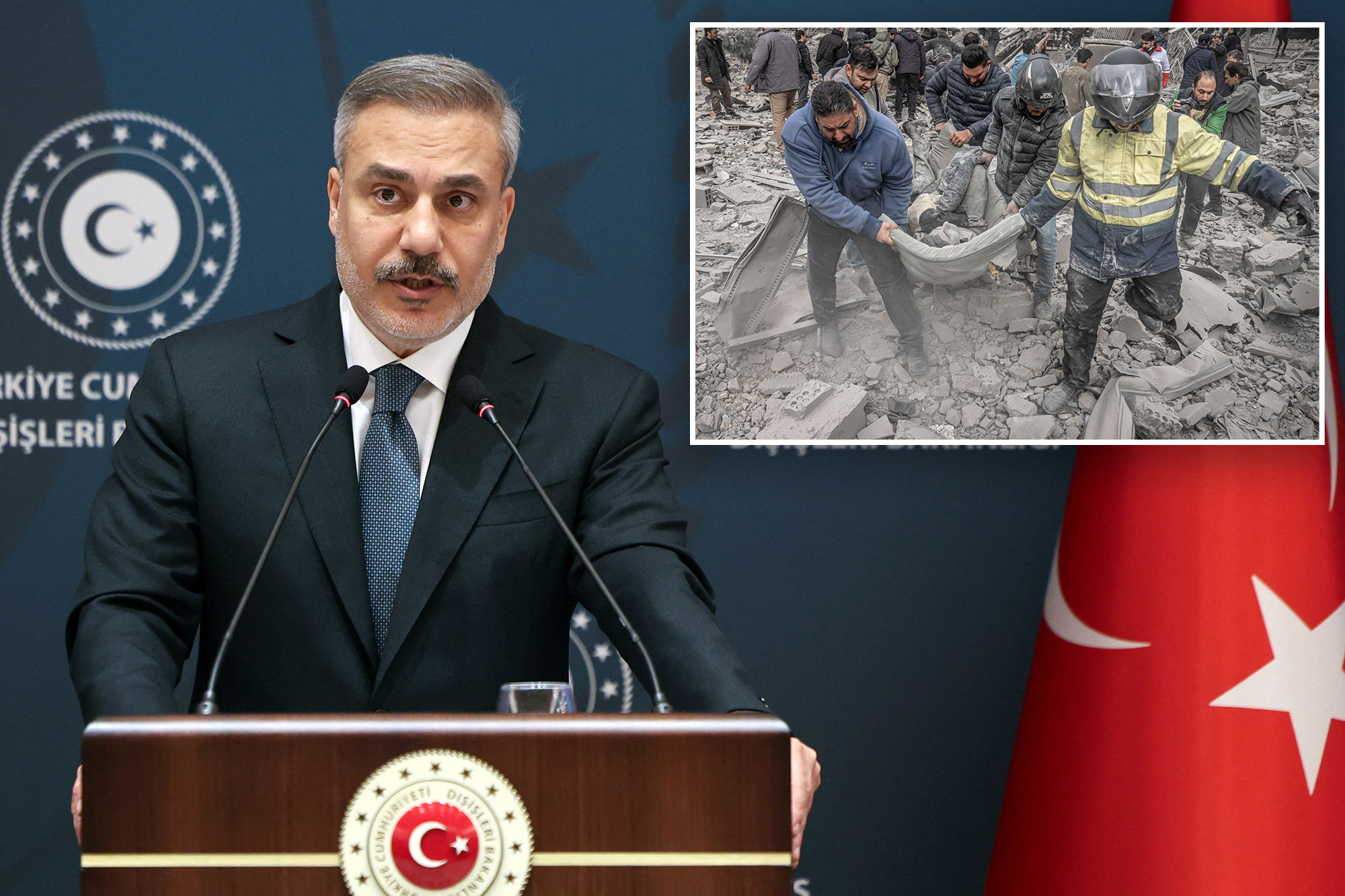
Turkey’s Foreign Minister, Hakan Fidan, announced on March 3, 2024, that the country is actively working with all relevant parties to find a resolution to the ongoing conflict in Iran. This diplomatic effort includes discussions with Oman, which aims to support similar objectives. The announcement comes in the wake of escalating military actions, including recent strikes by the United States and Israel against Iranian targets, leading to heightened tensions in the region.
The conflict intensified as Iran retaliated against Gulf states hosting U.S. military bases, while Israel targeted Iranian-backed Hezbollah positions in Lebanon. As a neighboring country and a member of NATO, Turkey has expressed serious concerns about the potential for further destabilization in the region. Fidan emphasized the importance of diplomacy for both Washington and Tehran, advocating for a renewed focus on negotiations regarding Iran’s nuclear program and missile capabilities.
During a recent Ramadan fast-breaking dinner, Fidan described Turkey’s approach as “sensitively carrying out necessary initiatives with all our counterparts” to promote peace. He underscored that preserving the stability of both Iran and the surrounding region is critical. “There isn’t a single-layered negotiation; there is a multi-layered negotiation,” he remarked, highlighting ongoing conversations with European nations and the United States.
Fidan also pointed out the urgent situation facing Gulf nations, stating, “If you want peace, let’s work together. We are urging them to take action.” He noted Turkey’s ongoing dialogue with the Omani foreign minister, reinforcing the collaborative efforts to mediate the situation.
In a notable statement on the same day, Turkish President Tayyip Erdogan condemned the attacks on Iran, declaring them a “clear violation” of international law. Fidan expressed concern that the conflict could spiral out of control, impacting regional energy supplies. He specifically mentioned the Hormuz Strait, a critical waterway through which approximately one-fifth of the world’s oil trade passes. Any disruption in this area could compel the United States to seek rapid resolutions to the conflict.
Fidan explained that Iran’s strategy appears to involve escalating tensions to create “costs” for the U.S. and its allies by targeting Gulf states and energy infrastructure. He suggested that Iran aims to pressure the United States into ending hostilities, but he expressed skepticism about the likelihood of this approach yielding the desired outcome. “I don’t know how much Iran has left,” he stated, adding that Tehran might instead focus its efforts on “bothering” Israel with missile strikes.
As the situation continues to unfold, Turkey remains committed to its diplomatic engagements, seeking to mitigate the effects of the conflict and promote stability in a region already facing significant challenges.
















