









































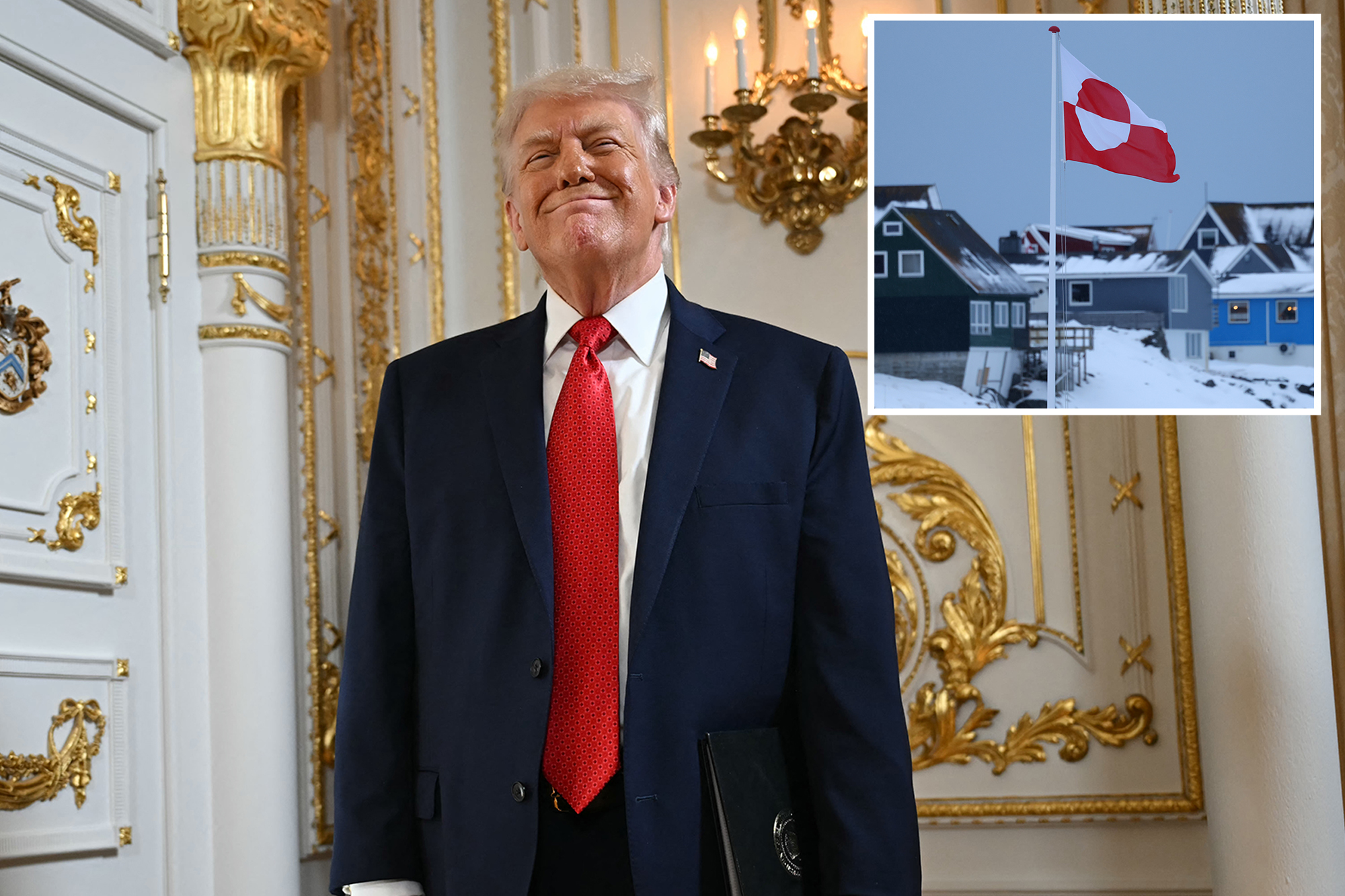
President Donald J. Trump is escalating efforts to acquire Greenland by threatening to impose a new 10% tariff on key allies until a deal is finalized. In a recent post on Truth Social, Trump criticized Denmark, Norway, Sweden, France, Germany, and the United Kingdom for sending military personnel to the island without a clear purpose, following discussions involving Denmark, Greenland, and the United States.
Trump’s remarks reflect an assertive stance on international trade relations. He stated, “Only the United States of America, under President Donald J. Trump, can play in this game,” indicating that he views the acquisition of Greenland as a significant strategic priority for his administration. He further ridiculed Greenland’s defense capabilities, characterizing them as “two dogsleds as protection, one added recently.”
Beginning on February 1, 2024, Trump announced that countries involved would face a 10% tariff on all goods exported to the United States. This measure appears to be part of a broader strategy to leverage U.S. trade power in negotiations over the territory. The president has also warned that if no agreement is reached by June 1, 2024, the tariff could increase to 25%.
The proposed tariffs have raised concerns among economic analysts and political observers, who warn that such actions could strain relationships with traditional allies. The discussion surrounding Greenland’s potential acquisition has been contentious, with historical underpinnings dating back to past administrations, but Trump’s current approach marks a departure from diplomatic norms.
Greenland, an autonomous territory of Denmark, has been the subject of interest for several reasons, including its strategic location and natural resources. The island’s vast mineral wealth and potential for shipping routes have garnered attention, particularly in the context of climate change and melting ice caps, which may open new pathways in the Arctic.
While the prospect of acquiring Greenland has been met with skepticism, Trump’s administration appears committed to pursuing this goal through a combination of economic pressure and public statements. As the situation develops, it remains to be seen how these tariffs will impact international relations and the broader geopolitical landscape.
Political analysts suggest that Trump’s tactics may reflect a growing trend of transactional diplomacy, where economic incentives are used to achieve strategic objectives. This approach has the potential to reshape alliances and influence negotiations in various sectors.
In summary, Trump’s aggressive maneuvering regarding Greenland highlights the complexities of international diplomacy in the current era. The interplay of tariffs and territorial ambitions could have lasting effects on U.S. relations with its allies and the future of Arctic governance.
















