









































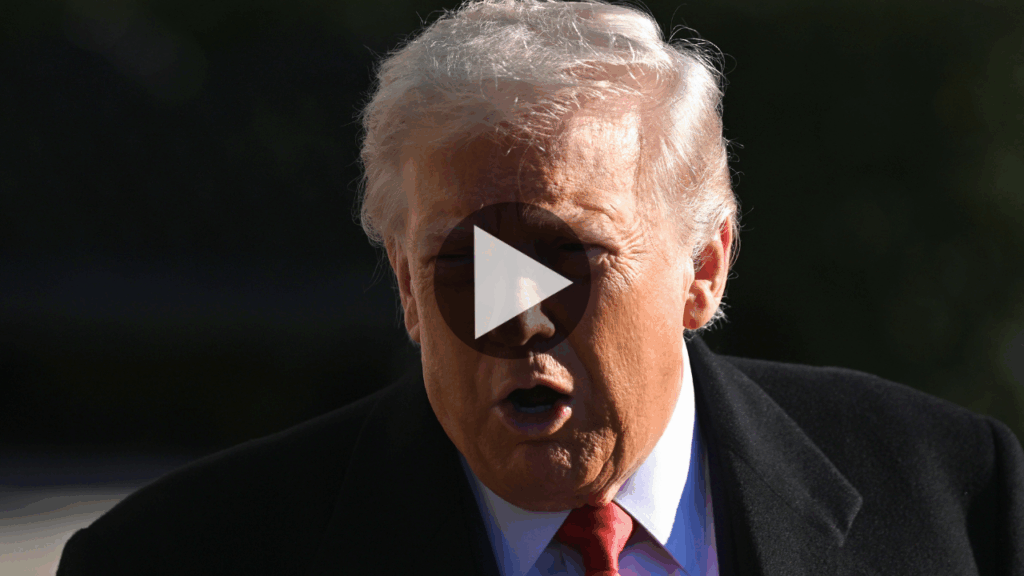
Former President Donald Trump has publicly criticized major defense companies for their slow production rates, demanding that they expedite their manufacturing processes. This outburst comes ahead of the upcoming presidential election, where defense spending is expected to be a significant topic of discussion. Trump’s remarks highlight growing frustrations within the U.S. government regarding the pace of military procurement, particularly as global tensions rise.
In a recent statement, Trump emphasized the need for defense contractors to fulfill their obligations to the U.S. military more quickly. “We cannot afford delays when our national security is at stake,” he declared. This sentiment resonates with many lawmakers who argue that timely production is essential for maintaining military readiness and effectiveness.
Concerns Over Production Delays
Trump’s concerns are not unfounded. According to information from the Government Accountability Office, contracts awarded to major defense firms have increasingly faced delays. In 2023 alone, reports indicated that over $1.5 billion worth of military contracts were significantly behind schedule. These delays have raised questions about the efficiency of the defense procurement system, which many believe needs reform.
The former president’s remarks have sparked mixed reactions across the political spectrum. Supporters argue that his focus on production speed is vital for national security, while critics suggest that his comments could undermine the complex processes involved in defense manufacturing. Industry experts caution that rushing production may compromise quality and safety, a concern that cannot be overlooked.
In addition to highlighting production issues, Trump has also called for increased competition among defense contractors. He believes that a more competitive environment will drive innovation and efficiency. “We need to encourage more companies to enter the defense sector,” he stated, advocating for policies that would streamline the process for new firms seeking to secure government contracts.
The Impact on the Defense Sector
Trump’s comments have reverberated throughout the defense industry, with several major firms responding to his criticism. Lockheed Martin, Boeing, and Raytheon Technologies have all issued statements reaffirming their commitment to meeting contract deadlines. These companies emphasize that they are actively working to improve their production capabilities through investment in new technologies and workforce training.
Analysts warn, however, that external pressures from political figures like Trump can complicate the already intricate relationship between the government and defense contractors. The balance between ensuring rapid production and maintaining high-quality standards is a delicate one, and industry leaders are cognizant of the potential repercussions of political interference.
The defense industry is a critical component of the U.S. economy, employing millions and generating significant revenue. In 2022, it was estimated that the defense sector contributed over $800 billion to the U.S. economy. As the political landscape shifts, the implications of Trump’s demands will be closely monitored by both industry insiders and policymakers.
Amidst these developments, Trump’s renewed focus on defense production may resonate with voters concerned about national security. As the 2024 presidential election approaches, his positions on defense spending and military readiness could play a pivotal role in shaping the campaign narrative.
The debate over defense production and procurement processes is likely to intensify in the coming months. With increasing pressures from both political leaders and the public, the defense industry will need to navigate these challenges carefully to ensure that it meets the needs of the U.S. military while maintaining its standards of excellence.











