









































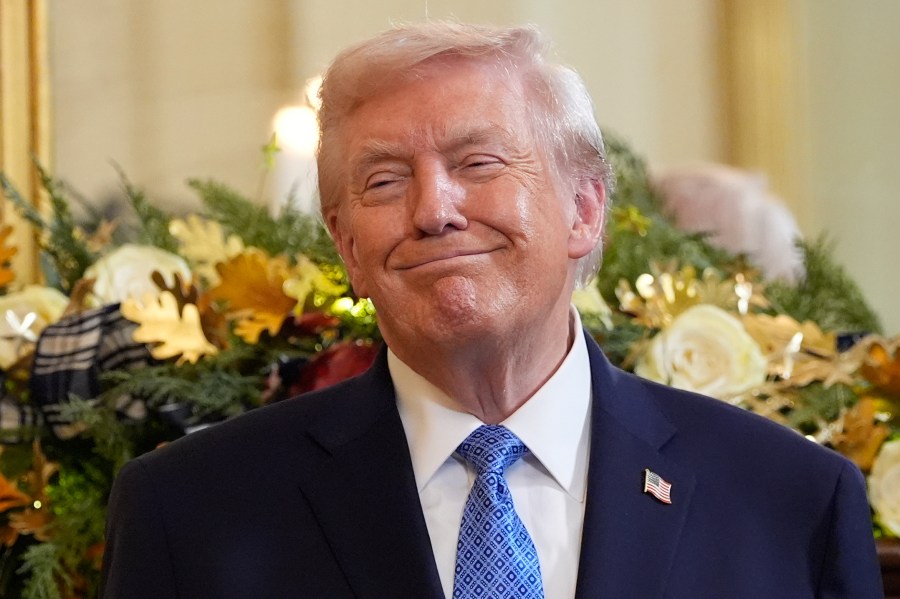
The foreign policy approach of the Trump administration has faced significant criticism for prioritizing national interests over human rights. Critics argue that this strategy not only undermines global human rights standards but also jeopardizes the safety and security of the United States. With a focus on an “America First” agenda, the administration’s decisions have sparked debate about the long-term implications for both international relations and domestic security.
Recent reports highlight specific instances where human rights have taken a backseat under this administration. Data from Human Rights Watch indicates that countries such as Afghanistan and Venezuela have witnessed deteriorating conditions, with little to no intervention from the U.S. government. The United Nations has expressed concern over the U.S. stance on human rights violations in these regions, particularly regarding the treatment of vulnerable populations.
Critics point to several key decisions that reflect this trend. For example, the administration’s withdrawal from the United Nations Human Rights Council in June 2018 was seen as a significant setback for global human rights advocacy. The U.S. justified this move by citing perceived bias against Israel, yet many analysts argue it weakened the international community’s ability to hold violators accountable.
Relations with China and Russia further illustrate the complexities of this foreign policy. While the administration has taken a tough stance on trade and military issues, critics argue that it has overlooked serious human rights abuses in these countries. Reports of mass detentions in Xinjiang and crackdowns on political dissent in Russia have raised alarm among human rights organizations. The U.S. has issued statements condemning these actions, but tangible consequences have been limited.
The administration’s approach has also been scrutinized for its impact on global alliances. Traditional U.S. allies have expressed concern about the potential erosion of shared values in foreign policy. As a result, many countries are recalibrating their relationships with the U.S., which could lead to a more fragmented international landscape.
The implications of prioritizing national interests over human rights extend beyond international diplomacy. Experts warn that this approach may ultimately compromise U.S. national security. A report released in March 2023 by the Center for Strategic and International Studies suggests that ignoring human rights can foster instability, breeding resentment and extremism that threaten global peace.
As the political landscape evolves, the long-term effects of the Trump administration’s foreign policy will likely continue to be a topic of debate. With the upcoming elections, candidates from both parties will need to address how U.S. foreign policy should adapt to ensure that human rights remain a key consideration.
Ultimately, the challenge lies in balancing national interests with the United States’ role as a global leader in promoting human rights. The choices made today will resonate for years to come, influencing not only the U.S.’s international standing but also the wellbeing of countless individuals around the world.
















