



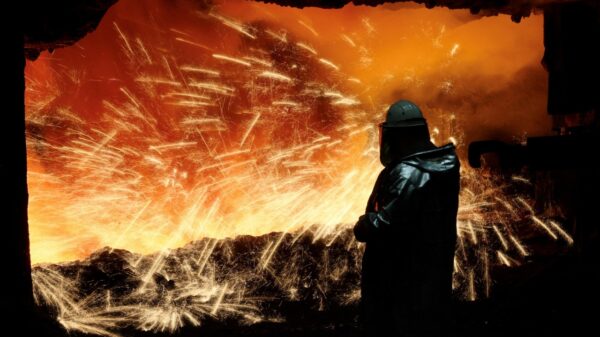
































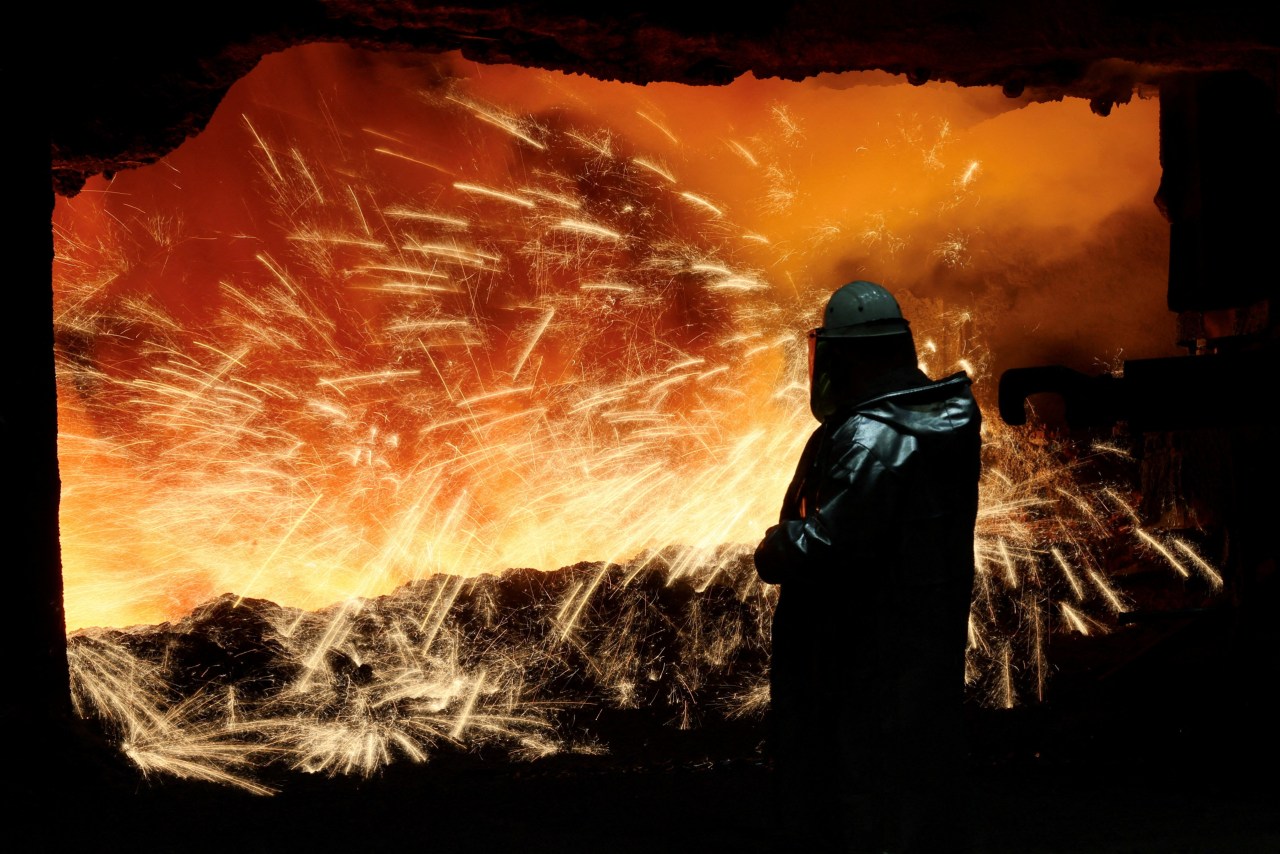
Thyssenkrupp announced it will close its electrical steel plants in both Germany and France from mid-December until the end of the year. The decision comes as the company faces challenges from a surge of cheap imports flooding the European market, which has significantly impacted its operations.
The closures are expected to affect numerous employees, raising concerns about potential job losses in the affected regions. Thyssenkrupp has not specified the exact number of jobs at risk, but the company has indicated that it is committed to minimizing the impact on its workforce.
Market Pressures Prompt Strategic Changes
The European electrical steel sector has been grappling with intense competition due to low-cost imports, particularly from countries outside the European Union. This influx has forced manufacturers like Thyssenkrupp to reassess their business strategies.
In a statement, Thyssenkrupp emphasized that the temporary shutdown is a necessary measure to address the ongoing market pressures. The company aims to stabilize its operations and remain competitive in a challenging economic landscape.
The closures are part of a broader trend within the European manufacturing industry, where several companies have struggled with rising costs and foreign competition. According to industry analysts, such measures may become more prevalent if the situation does not improve.
Impact on Workforce and Future Plans
While Thyssenkrupp has not disclosed specific layoffs, the uncertainty surrounding the plant closures has heightened anxiety among employees. The company has committed to providing support and resources to those affected during this transition period.
The decision also raises questions about the long-term sustainability of electrical steel production within Europe. With ongoing discussions about tariffs and trade policies, the future of local manufacturing remains uncertain.
Thyssenkrupp’s management is actively exploring options for restructuring its operations to adapt to the changing market conditions. The company has expressed its commitment to maintaining a strong presence in the electrical steel sector while navigating these challenges.
As the mid-December closure date approaches, both employees and stakeholders will be closely monitoring Thyssenkrupp’s next steps and the broader implications for the European manufacturing landscape.