









































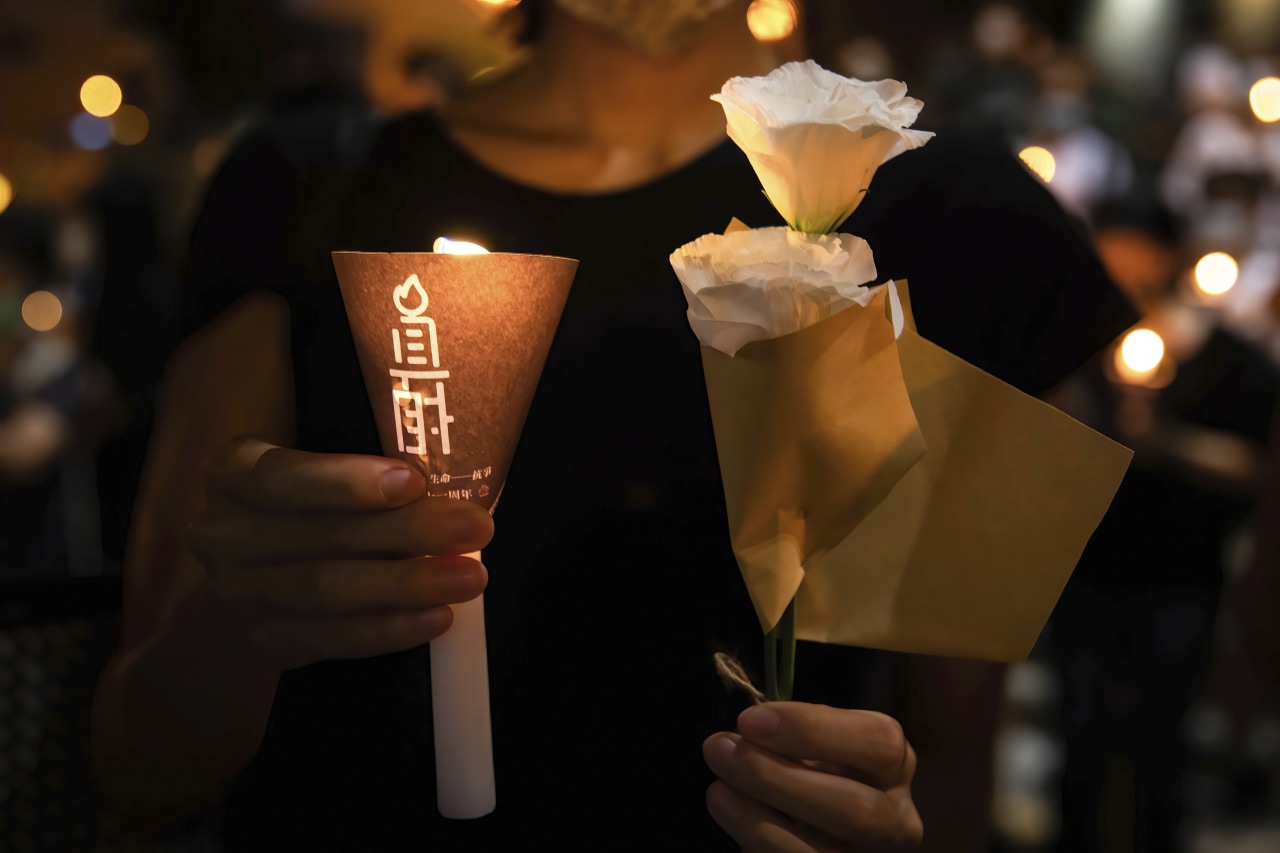
Three citizens of Hong Kong now face potential prison sentences of up to ten years for lighting candles in memory of the Tiananmen Square protests, which occurred on June 4, 1989. This incident underscores the growing suppression of political dissent in the region, particularly regarding efforts to commemorate the tragic events of the past.
The Hong Kong Police Force arrested the individuals during a candlelight vigil held on the anniversary of the Tiananmen protests. This event has historically drawn large crowds to honor those who lost their lives during the crackdown on pro-democracy demonstrators. The police stated that the vigil was deemed illegal under the current laws governing public assembly in Hong Kong.
Legal Implications of the Arrests
According to local legal experts, these arrests highlight a significant shift in Hong Kong’s judicial landscape, particularly since the implementation of the National Security Law in June 2020. This law has been criticized for curtailing freedoms and allowing authorities to suppress dissent in various forms, including peaceful commemorations.
The individuals charged with lighting candles are facing accusations of incitement against national security. Legal representatives for the defendants argue that the candlelight vigil was a peaceful act of remembrance, not intended to incite violence or unrest. The court proceedings are set to commence in the coming weeks, drawing attention from human rights organizations globally.
International Response and Human Rights Concerns
The arrests have sparked outrage among international human rights advocates. Organizations such as Amnesty International have condemned the detentions, labeling them as a blatant violation of the right to free expression. They emphasize that memorializing historical events is a fundamental aspect of preserving democratic values and cultural memory.
International observers are closely monitoring the situation. Countries around the world have expressed concern regarding the erosion of civil liberties in Hong Kong. U.S. Secretary of State Antony Blinken stated, “These actions are part of a broader pattern of repression that continues to undermine the rights and freedoms of the people of Hong Kong.”
As the trial approaches, the three defendants, who have not been publicly named, remain in custody. Their case may set a precedent for how similar commemorative acts are treated under the law in Hong Kong, potentially impacting future expressions of political dissent.
The situation reflects the ongoing tension between the Chinese government and pro-democracy advocates in Hong Kong. As the city grapples with its identity and relationship with mainland China, the actions taken against these citizens could resonate beyond its borders, affecting the global perception of human rights in the region.
In a city once celebrated for its vibrant civil society, these developments serve as a stark reminder of the increasingly precarious state of freedom of expression in Hong Kong. As the world watches, the outcome of this case could have significant implications for both the local populace and the international community’s stance on human rights issues.
















