









































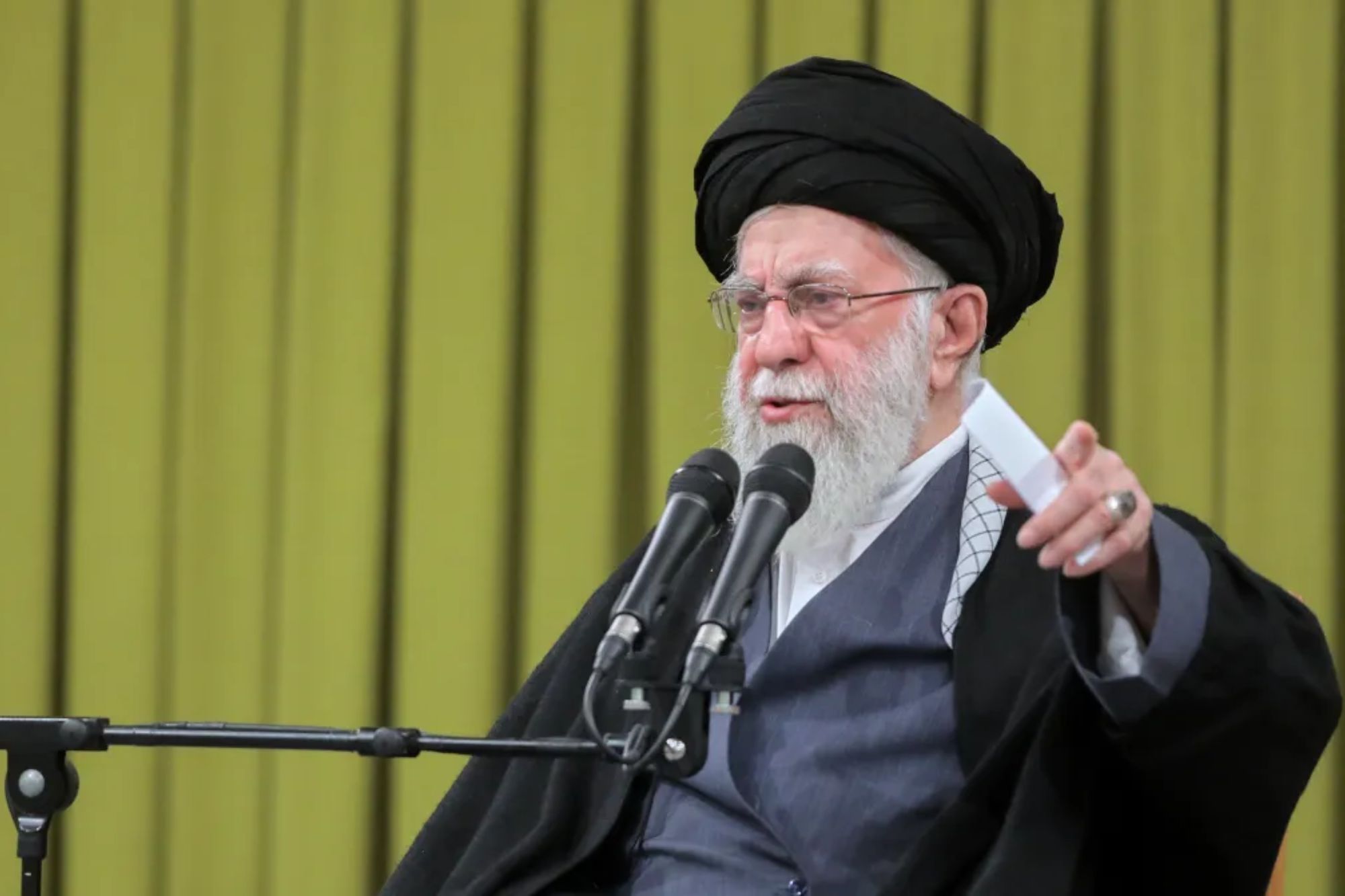
News of the death of Iran’s Supreme Leader, Ayatollah Ali Khamenei, has sparked celebrations across parts of Tehran. The announcement, which broke just after 11 p.m. local time, was met with loud cheers and applause as residents reacted to the significant political development. Footage shared on social media platform X depicts Tehran residents celebrating from their windows, highlighting the momentous occasion in Iran’s capital.
Reports confirm that a senior Israeli official informed Reuters of Khamenei’s death. Additionally, various Israeli news outlets indicated that Prime Minister Benjamin Netanyahu had seen a photograph of Khamenei’s body, further substantiating the news. This event marks a pivotal moment in Iranian politics, with potential implications for both domestic and international relations.
The reaction in Tehran underscores a complex mix of emotions among the populace, particularly considering Khamenei’s long-standing role in shaping Iran’s political landscape since he took office in 1989. His leadership has been characterized by significant events including the Iran nuclear deal and ongoing tensions with Western nations.
Global Reactions and Implications
The death of Khamenei raises questions about the future of Iran’s leadership and its impact on regional stability. Analysts are keenly observing how the Iranian government will navigate this transition. Khamenei’s passing may open up a power vacuum, leading to potential shifts in political alliances and policies within the country.
Internationally, reactions are expected to vary. While some nations may view this as an opportunity for diplomatic engagement, others may remain cautious, considering the historical context of Iran’s relations with the West.
As the situation develops, global leaders and organizations are likely to comment on the implications of this significant event. The coming days will be critical in understanding the future trajectory of Iran under new leadership.
The situation in Tehran exemplifies the profound impact of political leadership on public sentiment and the potential for change in a nation with a complex history and significant geopolitical influence.
















