









































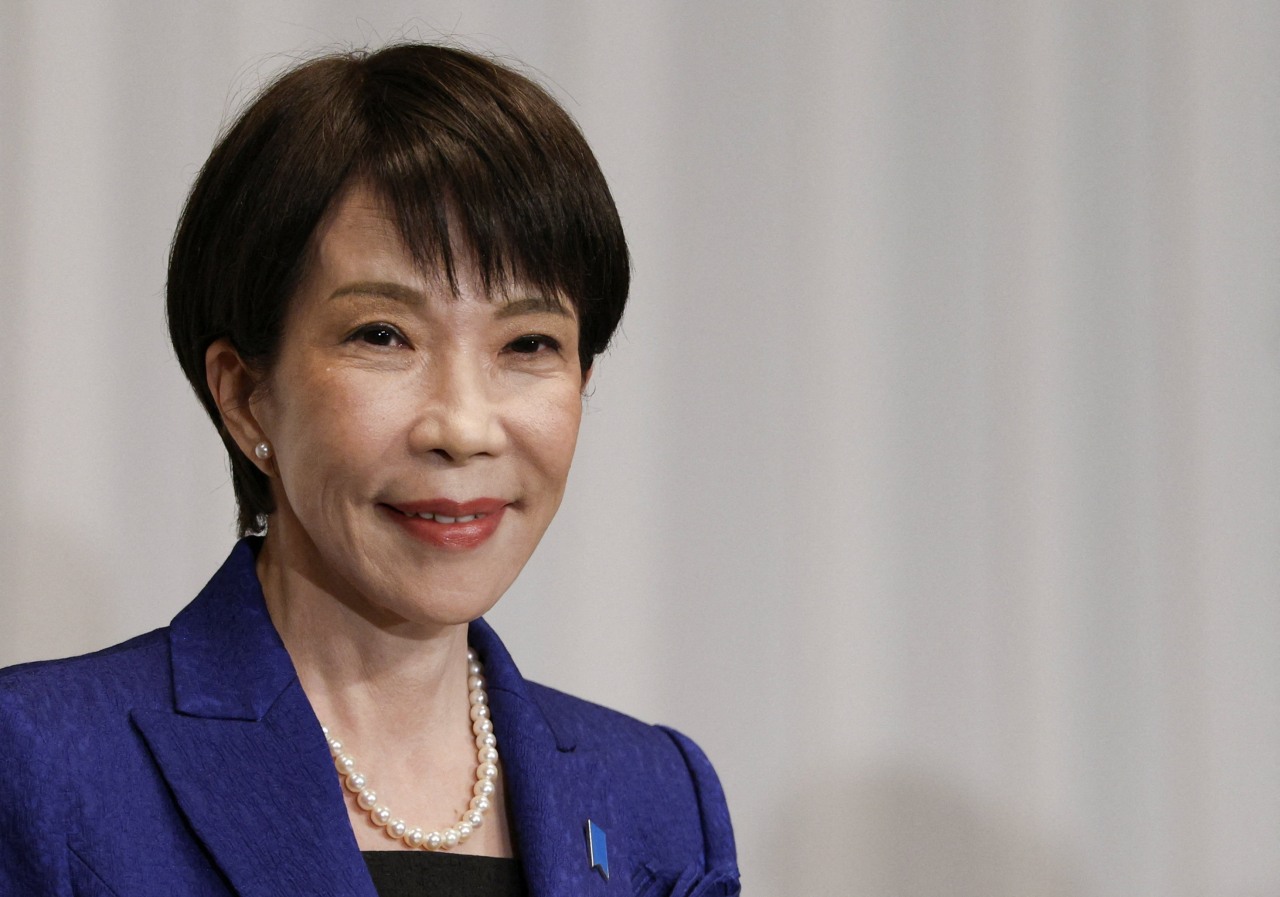
Seiko Takaichi, a prominent figure in Japan’s Liberal Democratic Party (LDP), has gained a significant advantage following the recent supermajority win. This political shift positions her to advance key policies related to the economy and national defense, with a long-standing conservative ambition to revise Japan’s constitution now within reach.
The LDP’s supermajority, achieved during the elections in 2021, provides Takaichi with the leverage needed to push through substantial reforms. This development is particularly notable as Japan navigates evolving regional security challenges and economic pressures exacerbated by global events.
Implications for Japan’s Defense and Economic Policies
Takaichi’s leadership is expected to invigorate discussions on national defense. The supermajority allows her to advocate for increased military expenditure and a more assertive defense posture, reflecting a growing consensus within Japan on the need for enhanced security capabilities.
The LDP has long viewed constitutional amendments as essential for modernizing Japan’s Self-Defense Forces, which currently operate under strict limitations imposed by the pacifist post-war constitution. Takaichi has expressed her commitment to revising Article 9, a key clause that renounces war and prohibits military forces. This move could align Japan more closely with Western allies, particularly in light of rising tensions in the Asia-Pacific region.
In addition to defense, Takaichi is poised to address economic reforms. With Japan’s economy facing stagnation and an aging population, her policies may include measures to stimulate growth and improve workforce participation. By leveraging her political capital, Takaichi aims to implement strategies that could enhance Japan’s global competitiveness.
Conservative Goals and Future Challenges
While Takaichi’s supermajority presents an opportunity for reform, challenges remain. Public opinion on constitutional revisions is mixed, with many citizens wary of increasing military capabilities. Takaichi will need to navigate these sentiments carefully to ensure broad support for her initiatives.
Moreover, the economic landscape poses its own set of challenges. Japan’s recovery from the impacts of the COVID-19 pandemic is ongoing, and Takaichi’s administration will need to strike a balance between economic revitalization and fiscal responsibility.
As Takaichi embarks on this ambitious agenda, the implications for Japan’s role on the global stage could be profound. Her leadership may not only reshape domestic policies but also redefine Japan’s interactions with its neighbors and allies.
The coming months will be critical as Takaichi seeks to consolidate her power and implement her vision for a stronger, more resilient Japan.
















