









































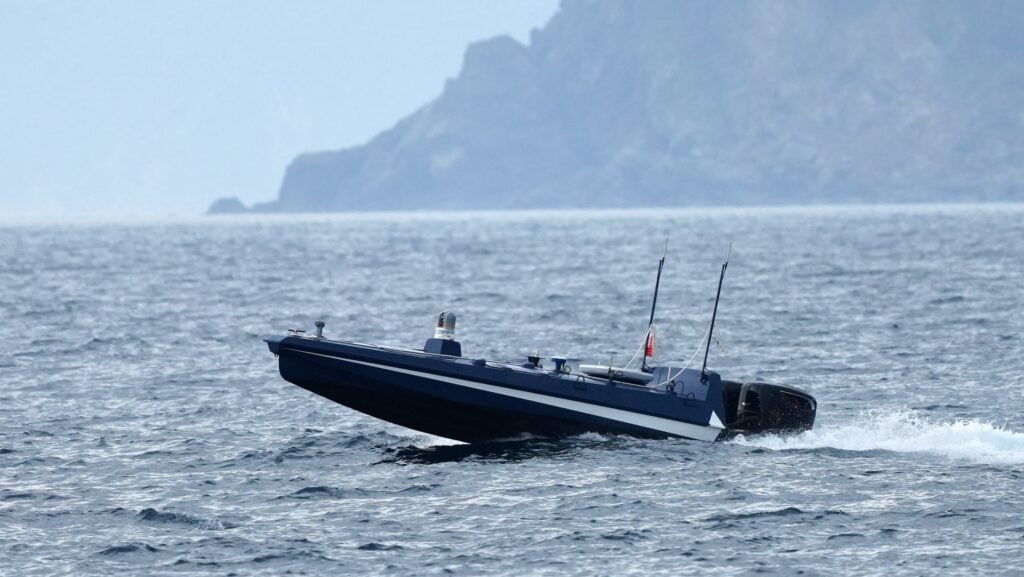
Taiwan has been urged to develop a drone swarm strategy as part of its defense against potential Chinese military aggression. A recent report from the Center for New American Security highlights the need for Taiwan to enhance its limited arsenal of expensive weaponry by integrating affordable, mass-produced drone technology. This approach aims to create a formidable deterrent against invasion, leveraging uncrewed systems to minimize risk to military personnel.
The Center for New American Security emphasizes that drones could provide critical support in Taiwan’s defense strategy. By employing these systems, Taiwan can execute high-risk missions without endangering its soldiers, thus allowing for a more dynamic and flexible military response. The report indicates that the integration of drone technology could lead to significant cross-domain effects, enhancing Taiwan’s combat capabilities across various operational environments.
Strategic Advantages of Drone Swarms
The report outlines several strategic advantages of implementing drone swarms. These systems can operate in coordinated formations, overwhelming adversaries with sheer numbers. This capability could be particularly effective in thwarting a Chinese invasion, as it complicates enemy targeting and response strategies. The cost-effectiveness of drones also allows Taiwan to extend its military reach without depleting its defense budget.
In the context of escalating tensions in the Taiwan Strait, the report serves as a timely reminder of the evolving nature of modern warfare. As nations increasingly rely on technology to secure their interests, Taiwan’s adoption of drone swarms could represent a significant shift in its defense posture. The report suggests that such a strategy would not only bolster Taiwan’s military but also signal to potential aggressors that the island is prepared to defend itself.
Broader Implications for Regional Security
The implications of Taiwan’s drone strategy extend beyond its shores. A robust drone capability could alter the balance of power in the region, deterring not only Chinese aggression but also influencing the strategic calculations of other countries in the Asia-Pacific. The introduction of drone swarms could encourage neighboring nations to reconsider their military strategies, leading to a potential arms race in advanced military technologies.
Furthermore, the report argues that international support for Taiwan’s defense initiatives is crucial. As Taiwan seeks to modernize its military capabilities, cooperation with allies will be essential in ensuring that it can effectively implement its drone strategy. This collaboration could involve joint exercises, technology sharing, and increased military presence in the region to bolster deterrence.
In conclusion, the Center for New American Security report advocates for a proactive approach to Taiwan’s defense strategy through the development of drone swarms. By leveraging advanced technology, Taiwan can enhance its military readiness and deter potential threats, ensuring its sovereignty in an increasingly complex geopolitical landscape.
















