









































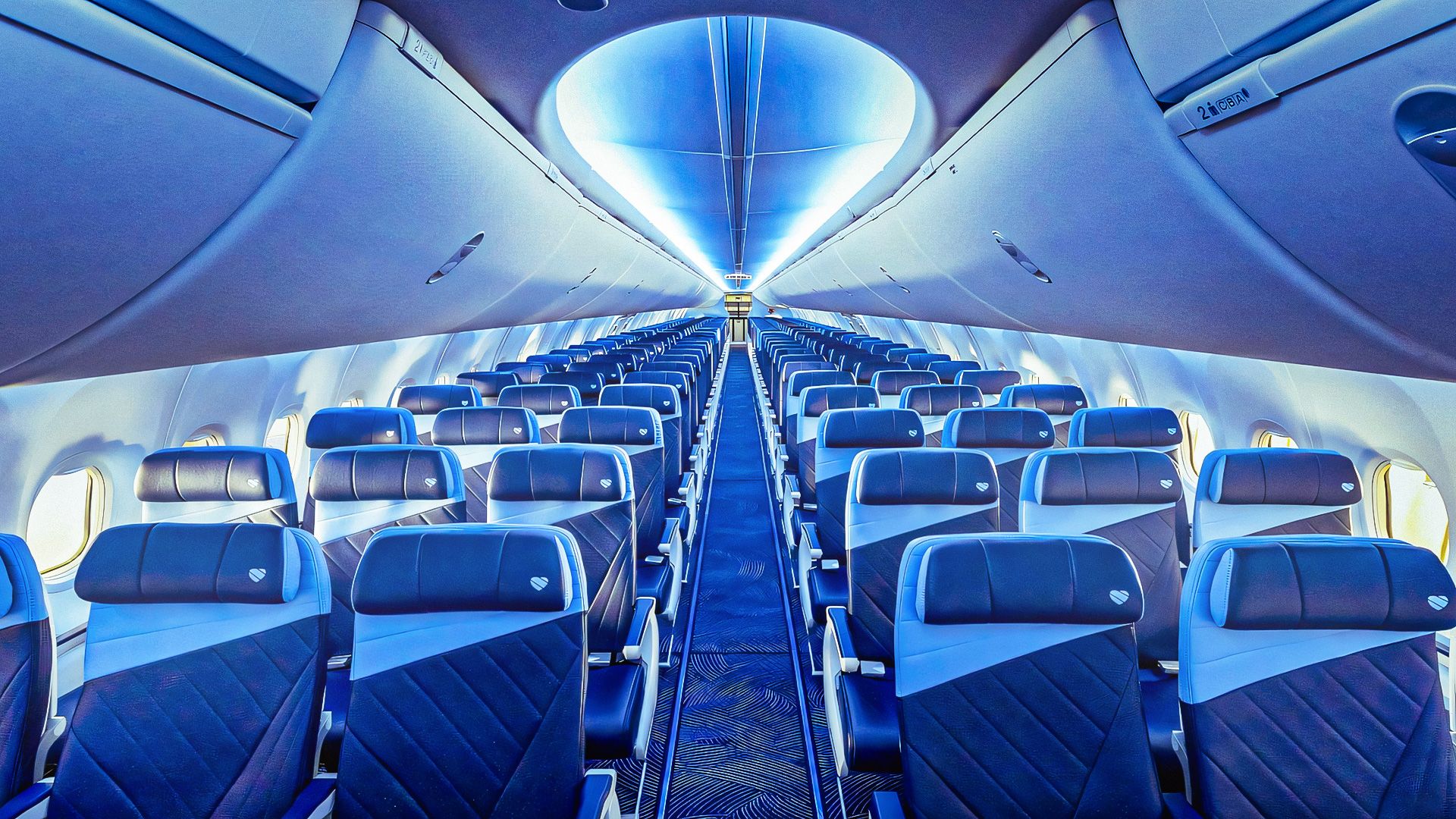
Southwest Airlines has recently completed a significant overhaul of its fleet, introducing extra legroom seating across its Boeing 737 aircraft. The update, which concluded ahead of schedule in January 2026, alters the cabin layout to include premium seating options, marking a notable shift from the airline’s traditional policies. The final flight featuring Southwest’s famous “open seating” departed from Honolulu to Los Angeles on January 26, officially transitioning the airline into a model more akin to its competitors.
Major Changes to Cabin Configuration
The fleet-wide reconfiguration involved adjustments to the Layout of Passenger Accommodations (LOPA) on over 800 Boeing 737s. The 737 MAX 8 and 737-800 models have largely retained their capacity of 175 seats, but now include a dedicated section with 36 inches (91.44 centimeters) of legroom, accommodating 45 extra legroom seats. The 737-700s have reduced their total seat count from 143 to 137, sacrificing a row to create a space for 40 extra legroom seats featuring a pitch of 38 inches (96.52 centimeters).
While the newest 737 MAX 8s are equipped with Recaro R2 seats, older aircraft retain seats from Collins Meridian or Innovator II. Southwest plans to retrofit older models with Recaro seating, ensuring that all aircraft feature in-seat power and Wi-Fi, enhancing the passenger experience.
Future Directions for Southwest Airlines
CEO Bob Jordan has indicated that Southwest is exploring the possibility of adding a first-class cabin to its operations. Although no official announcement has been made, Jordan’s comments suggest a strong likelihood of this development, aligning with industry trends where premium seating has become increasingly profitable. Southwest, traditionally known for its low-cost model, is now adapting to a market that demands more luxurious options.
The introduction of a first-class cabin could enhance the appeal of Southwest’s Rapid Rewards program, which currently lacks the allure of other airlines’ loyalty offerings. As other major carriers like Delta Air Lines and United Airlines capitalize on premium seating and loyalty programs, Southwest risks falling behind without similar enhancements.
Southwest’s recent changes reflect a broader trend in the aviation industry, where budget airlines are moving towards a premium model. The airline’s previous strategies, characterized by free checked bags and no assigned seating, are evolving under pressure to compete effectively.
In summary, the completion of the fleet reconfiguration marks a pivotal moment for Southwest Airlines. While the airline has shed its unique attributes, it is now poised to attract a wider audience by offering a diverse selection of seating options, including the anticipated first-class cabin. The shift signals a commitment to adapt to changing market dynamics and consumer preferences, positioning Southwest for future growth in a competitive landscape.
















