









































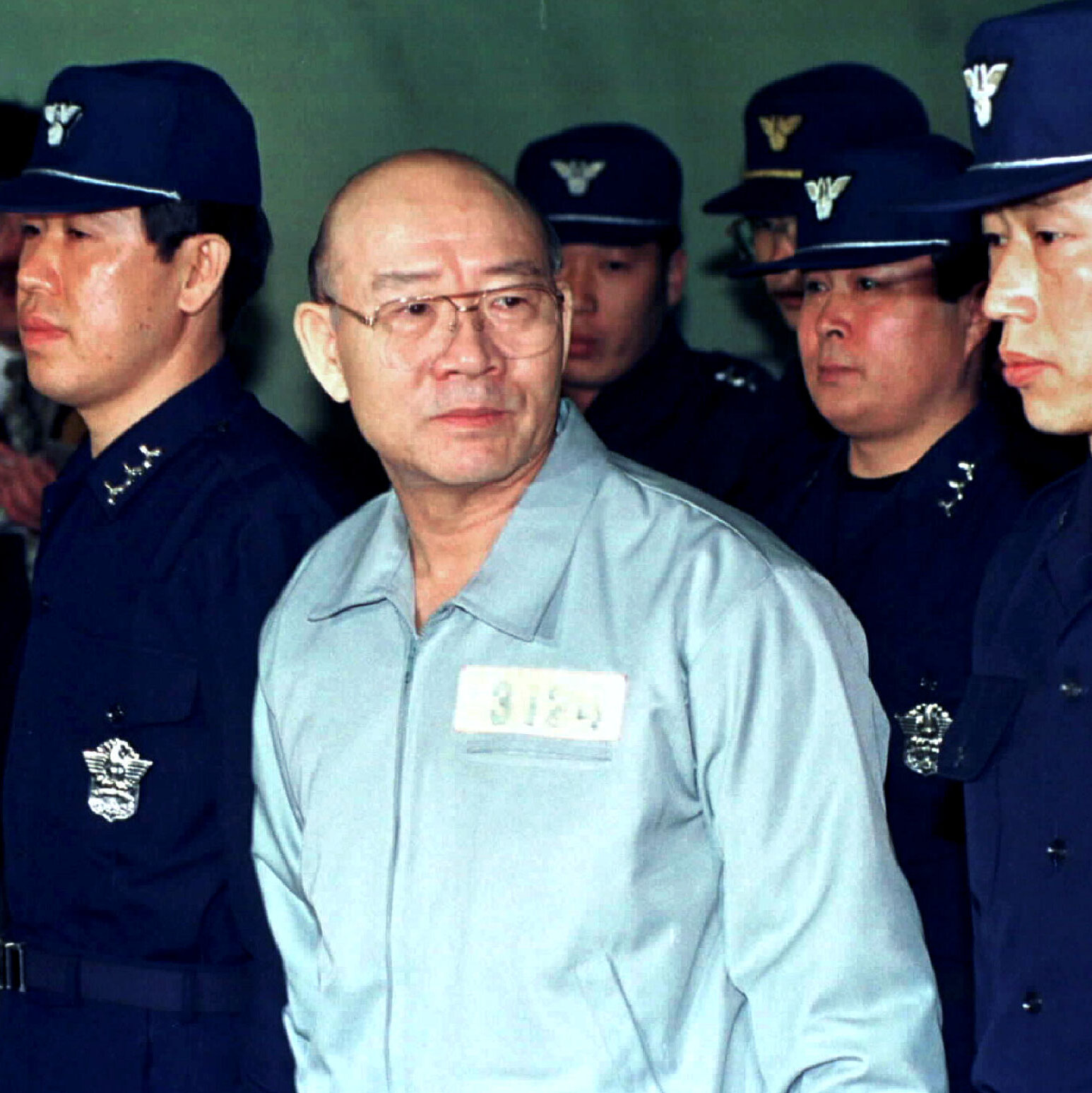
Chun Doo-hwan, the former president of South Korea, is once again in the spotlight as the nation reflects on the 30th anniversary of his trial. This significant event took place at the Seoul District Criminal Court in 1996, where Chun faced charges related to his authoritarian rule and the brutal suppression of the Gwangju Uprising in 1980. His actions during this period resulted in the deaths of hundreds of civilians, and his subsequent trial marked a pivotal moment in South Korea’s journey towards democracy.
In the years leading up to Chun’s trial, South Korea was experiencing a wave of political change. The military dictatorship he led was increasingly challenged by public demands for democratic reforms. The Gwangju Uprising, which Chun’s government violently suppressed, became a symbol of the struggle for human rights in the country. The uprising was a significant event in South Korea’s modern history, as it highlighted the stark divide between the authoritarian regime and the populace’s desire for democracy.
Chun’s trial was not only a legal proceeding but also a national reckoning. The court proceedings shed light on the atrocities committed during his presidency and aimed to bring justice to the families of victims. Chun was ultimately convicted of mutiny and treason, receiving a death sentence, which was later commuted to life imprisonment. He spent a number of years in confinement before being pardoned in 1997.
The legacy of Chun Doo-hwan continues to evoke mixed feelings among South Koreans. While some view him as a stabilizing figure during a tumultuous period, many others see him as a dictator responsible for significant human rights abuses. This dichotomy is reflected in ongoing public debates about the political history of South Korea, particularly concerning its transition from authoritarian rule to a thriving democracy.
As the anniversary of Chun’s trial approaches, various events and discussions are planned across the country. These gatherings aim to commemorate the victims of the Gwangju Uprising and to promote awareness of the importance of democratic values. Activists and historians alike argue that remembering this chapter in history is crucial for the ongoing fight against authoritarianism globally.
The South Korean government, under the leadership of President Yoon Suk-yeol, has also emphasized the importance of addressing historical injustices. In recent statements, the administration has committed to ensuring that the lessons learned from Chun’s era are not forgotten. This reflects a broader commitment to human rights and accountability in governance.
As South Korea looks back on Chun Doo-hwan’s presidency and trial, it stands as a reminder of the struggles faced in the pursuit of democracy. The events of 30 years ago continue to shape the national consciousness, reminding citizens of the importance of safeguarding their rights and freedoms. The reflections on Chun’s trial serve not only as a historical lesson but also as a call to action for current and future generations.
















