



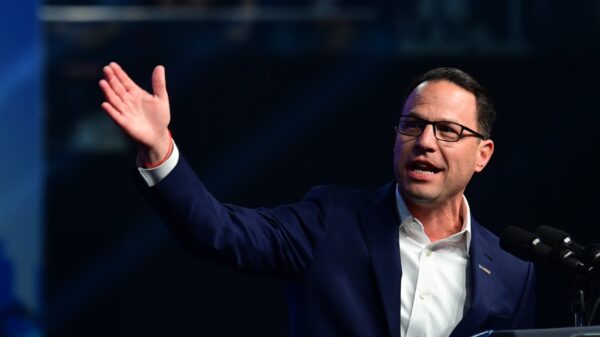

































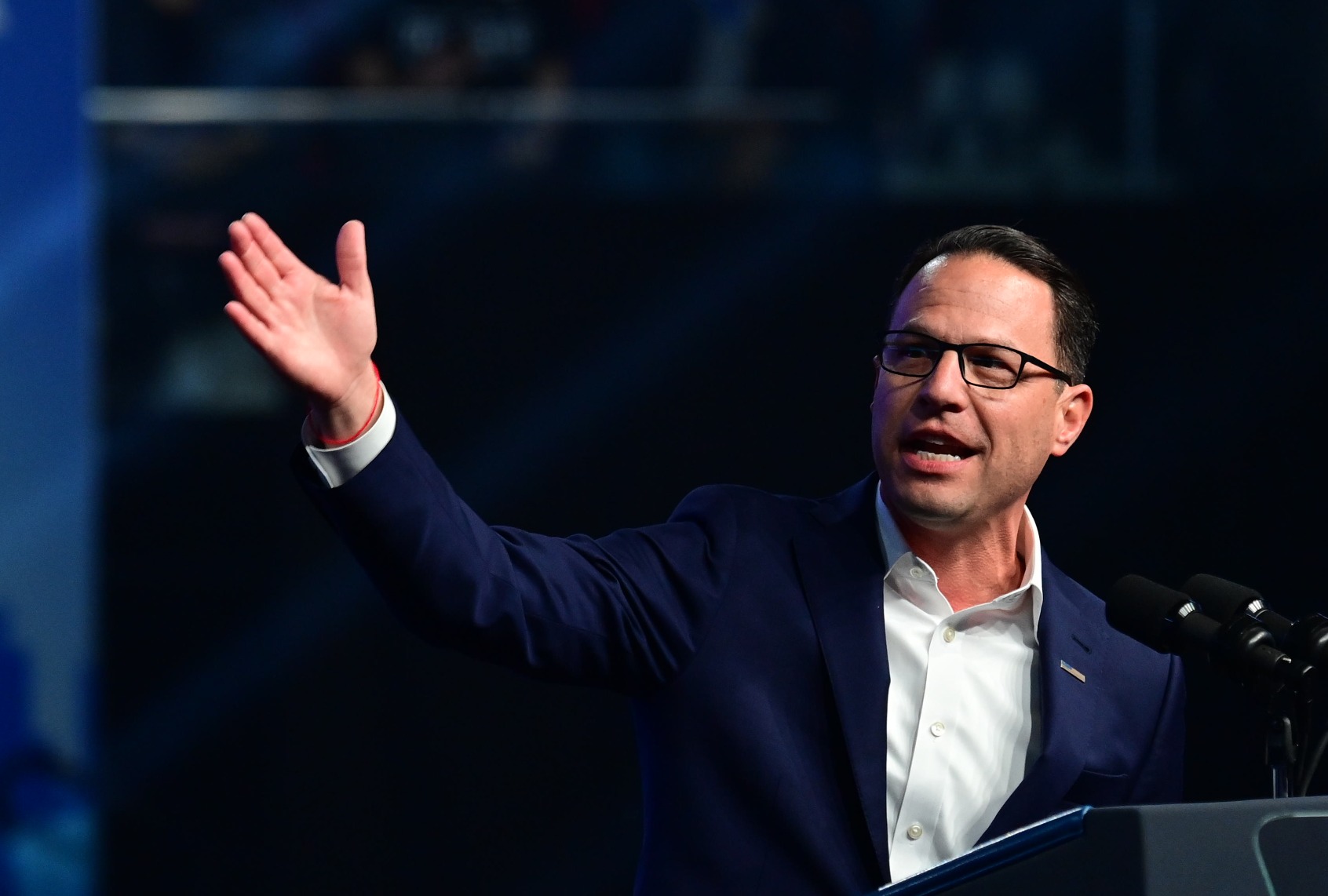
Pennsylvania Governor Josh Shapiro has expressed strong disapproval of former Vice President Kamala Harris’ memoir, titled “107 Days.” In a recent profile by journalist Tim Alberta for *The Atlantic*, Shapiro reacted to Harris’ characterizations of him as overconfident and domineering, stating that her claims are “blatant lies.”
As Alberta recounted Shapiro’s feelings, he noted that the governor transitioned between outrage and exasperation while discussing the memoir. Shapiro did not hold back in his criticism, labeling some of Harris’ assertions as “complete and utter bulls**t.” When asked about feelings of betrayal, Shapiro suggested that Harris’ writing serves as a tactic to deflect blame following her unsuccessful campaign.
“I mean, she’s trying to sell books and cover her a**,” he remarked, although he later clarified that such language was inappropriate.
Shapiro’s Perspective on the Democratic Party
Shapiro’s comments come at a time when the Democratic Party is grappling with challenges as it approaches the 2024 elections. He highlighted the party’s failure to connect with disaffected, non-college-educated voters. “Democrats lost ground in some of these communities by failing to show up and failing to treat people with a level of respect that they deserve,” he stated, emphasizing the importance of engaging with voters who feel abandoned.
He also addressed the impact of former President Donald Trump, describing him as a “once-in-a-generation political figure” who has successfully connected with voters on a cultural level. Shapiro expressed frustration over the disparity between Trump’s rhetoric at rallies and his policies favoring the wealthy, particularly criticizing cuts to Medicaid which he believes have harmed the very communities Trump claimed to support.
“He showed up in these communities, lied to these good people, and then turned around and completely f**ked them over by taking away their health care to pay for a tax cut for people in the highest income brackets who do not need them,” Shapiro remarked, illustrating his discontent with the former president’s actions.
Shapiro’s candid remarks about Harris’ memoir and his broader critique of the Democratic Party could signal his ambitions as the party prepares for the upcoming election cycle. His insights reflect a growing concern within the party regarding its approach to key voter demographics, especially in pivotal swing states like Pennsylvania.
As the political landscape evolves, Shapiro’s voice may become increasingly significant in shaping the Democratic Party’s strategy for 2024 and beyond. His willingness to confront uncomfortable truths within the party could resonate with many who seek a more inclusive and representative political dialogue.