




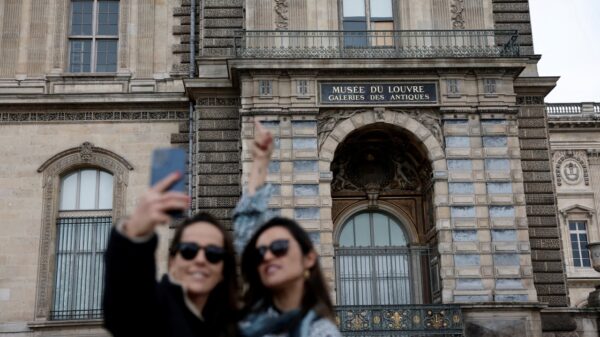

































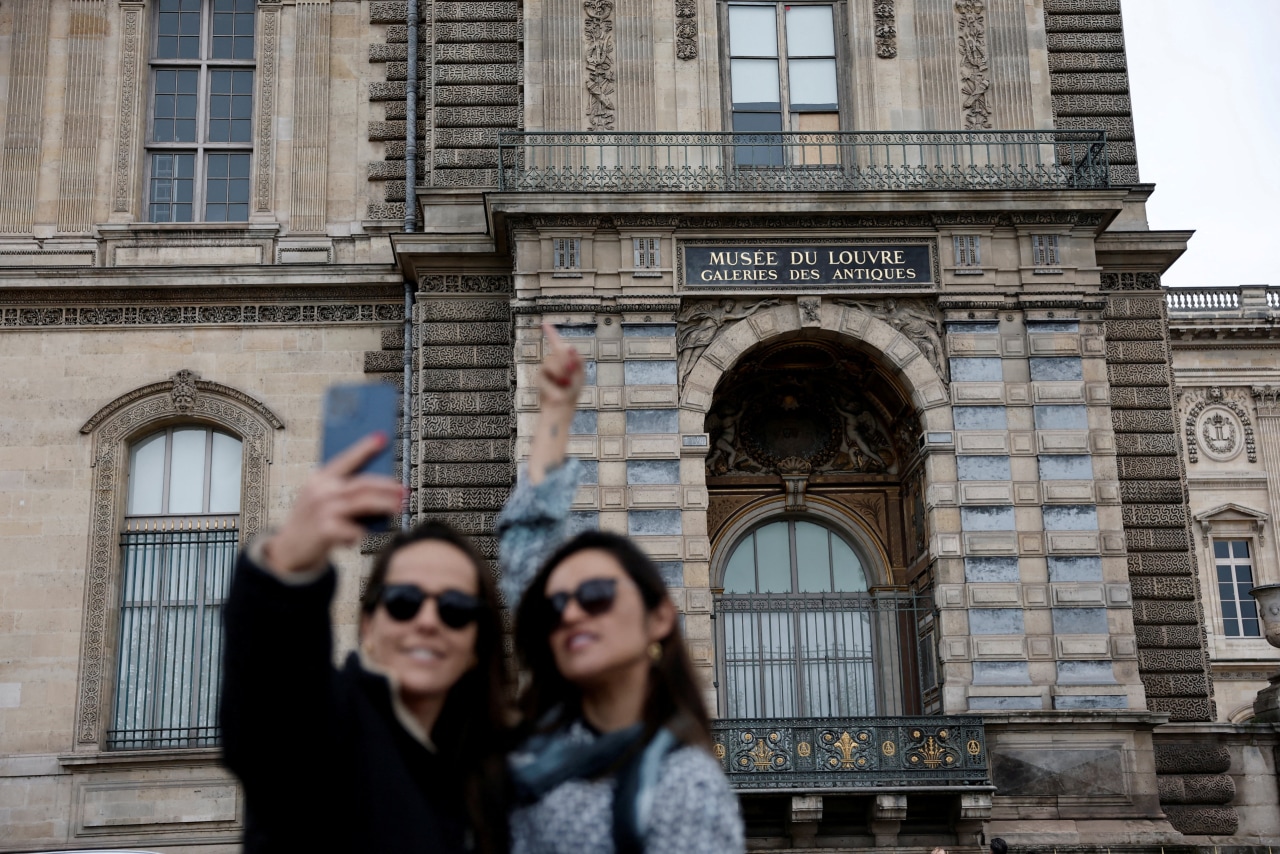
A security assessment conducted in 2010 at the Louvre Museum detailed a plan that could have facilitated a robbery. The assessment outlined how a moving truck could access the museum’s second floor, raising questions about the adequacy of security measures in place at the world-renowned institution.
According to internal documents, the assessment, buried within the museum’s own archives, highlighted potential vulnerabilities in the security framework. This information has drawn renewed attention following a recent wave of discussions about museum security and the safety of priceless artifacts.
Details of the Security Assessment
The assessment described a scenario where a large vehicle could bypass certain security checkpoints and enter through a designated service entrance. This raised alarms among security experts who believe that such foresight should have prompted immediate action to bolster the museum’s defenses.
Specific details from the assessment revealed that the truck could potentially access areas where high-value items are displayed. As the Louvre houses some of the most famous artworks in the world, including the Mona Lisa and the Venus de Milo, the implications of such a security breach are profound.
Moreover, the timing of this assessment aligns with a period when art thefts were becoming increasingly sophisticated. The Louvre, as one of the most visited museums globally, with over 9 million visitors annually, has an obligation to safeguard its treasures against potential threats.
Implications for Museum Security
The revelation of the 2010 assessment raises critical questions about how museums manage security risks. Experts argue that findings like these should lead to comprehensive reviews of existing security protocols. Museums must not only react to threats but proactively identify and mitigate potential vulnerabilities before they can be exploited.
In light of this disclosure, the Louvre Museum has stated that it continues to invest in enhancing its security measures. This includes not only physical security upgrades but also training staff to recognize suspicious activity and respond effectively.
The importance of such assessments cannot be overstated. As cultural institutions around the world grapple with the dual need for accessibility and security, the Louvre’s situation serves as a cautionary tale. Effective security not only protects valuable artworks but also ensures the safety of visitors and staff alike.
The discussion surrounding the Louvre’s security practices highlights the need for ongoing vigilance in preserving cultural heritage. In an era where art theft remains a significant concern, museums must continually reassess their security frameworks to safeguard against evolving threats.