









































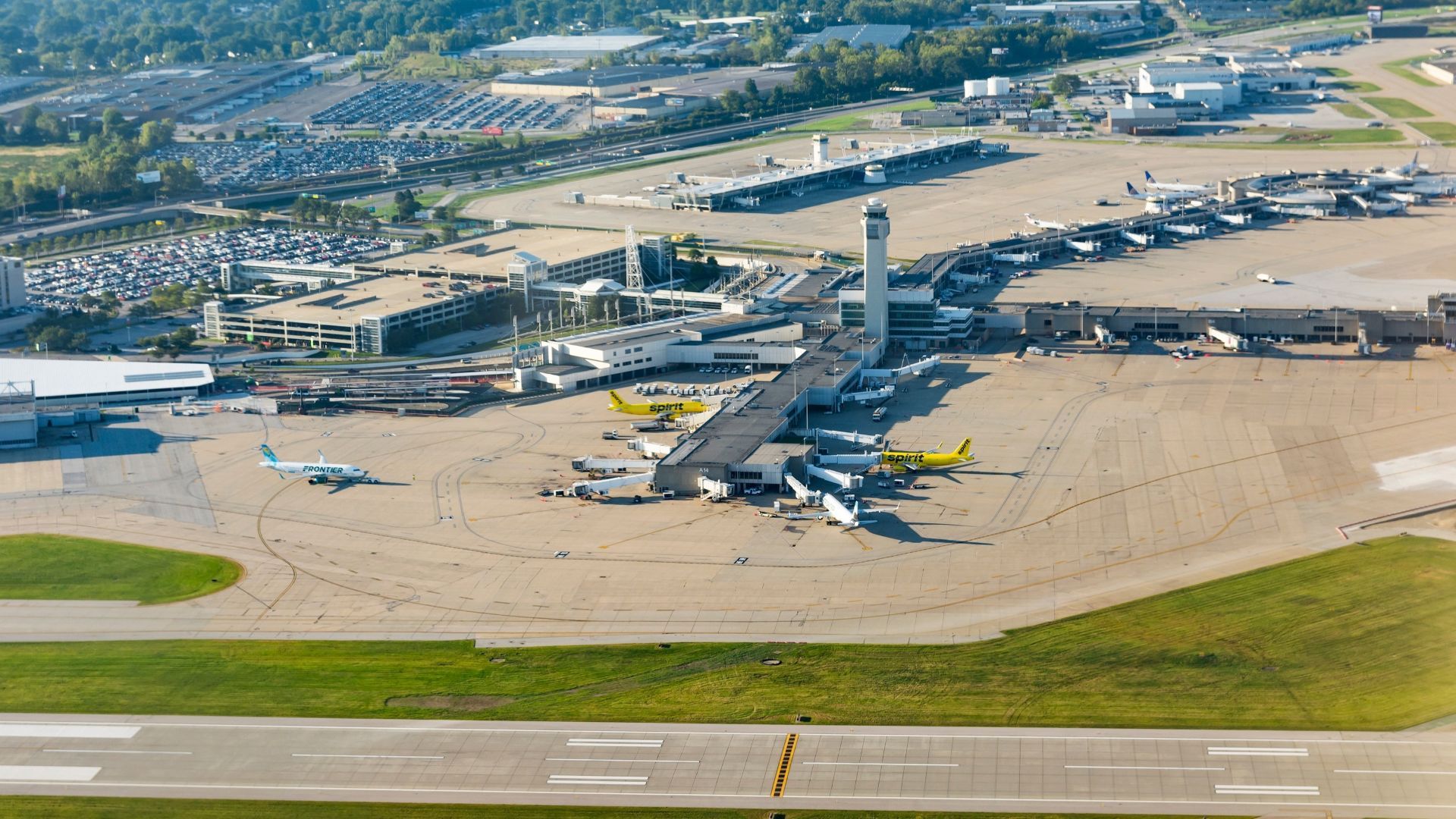
On December 31, 2025, travelers at both Kansas City International Airport and Cleveland Hopkins International Airport faced significant disruptions due to security threats. Following suspicious emails warning of potential bomb threats, law enforcement officials launched investigations that temporarily halted airport operations.
At approximately 11:30 AM local time, authorities at Kansas City International Airport began their investigation after receiving the threat. Passengers in the affected area were evacuated while airport police and the FBI assessed the situation. After over an hour of scrutiny, officials confirmed that no explosives were present, and operations returned to normal. Despite the swift resolution, many flights experienced moderate delays during the investigation.
Shortly after the Kansas City situation was resolved, the Federal Aviation Administration (FAA) implemented a ground stop at Cleveland Hopkins International Airport at 1:30 PM. This was triggered by a similar threat, prompting local police and airport security personnel to conduct an inspection. The ground stop lasted approximately 45 minutes, but several afternoon flights continued to face heavy delays even after operations resumed.
Wider Implications of Security Threats
Kansas City and Cleveland were not the only airports targeted on New Year’s Eve; multiple U.S. airports received similar threats. While most threats are unfounded, the presence of such claims necessitates thorough investigations for passenger safety. Areas specified in the threats are typically evacuated, which can lead to increased congestion within terminals and longer waiting times.
The operational impact of these investigations can extend beyond the affected airports. When an airport is temporarily shut down, it can disrupt the entire airline network. Aircraft and crew that should be in one location may be stranded elsewhere, complicating scheduling for airlines. This issue is magnified for larger carriers that rely heavily on major hubs.
Challenges During Peak Travel Seasons
The period surrounding the New Year is one of the busiest travel times of the year. High passenger demand coincides with adverse weather conditions, which can pose significant challenges to airlines. Snow and ice often lead to flight delays or cancellations, as seen recently in the New York metropolitan area and across the Midwest.
With heightened security threats adding to the operational strain, airlines are under intense pressure to manage their schedules effectively. Although no legitimate threats were discovered at Kansas City or Cleveland, the disruptions from the investigations have a considerable impact on both passengers and airlines.
As travelers navigate these unforeseen challenges, airports remain vigilant in their commitment to safety, ensuring that all threats are taken seriously while striving to maintain smooth operations for the millions traveling during this peak season.
















