







































The discourse surrounding the potential for a new Scottish Enlightenment has gained traction, with prominent voices like Fraser Nelson responding to earlier critiques from Barton Swaim and Allan Massie. This renewed interest signals a possible resurgence of the intellectual and cultural vitality that characterized Scotland in the 18th century, a period marked by remarkable advancements in philosophy, science, and the arts.
As discussions unfold, some observers note that contemporary Scotland is primed for a similar transformative phase. The convergence of social, political, and economic factors suggests that the conditions are ripe for a flourishing of ideas and innovation. Nelson, in his response, highlighted the need for a robust intellectual environment that encourages debate and creativity.
Historical Context and Modern Implications
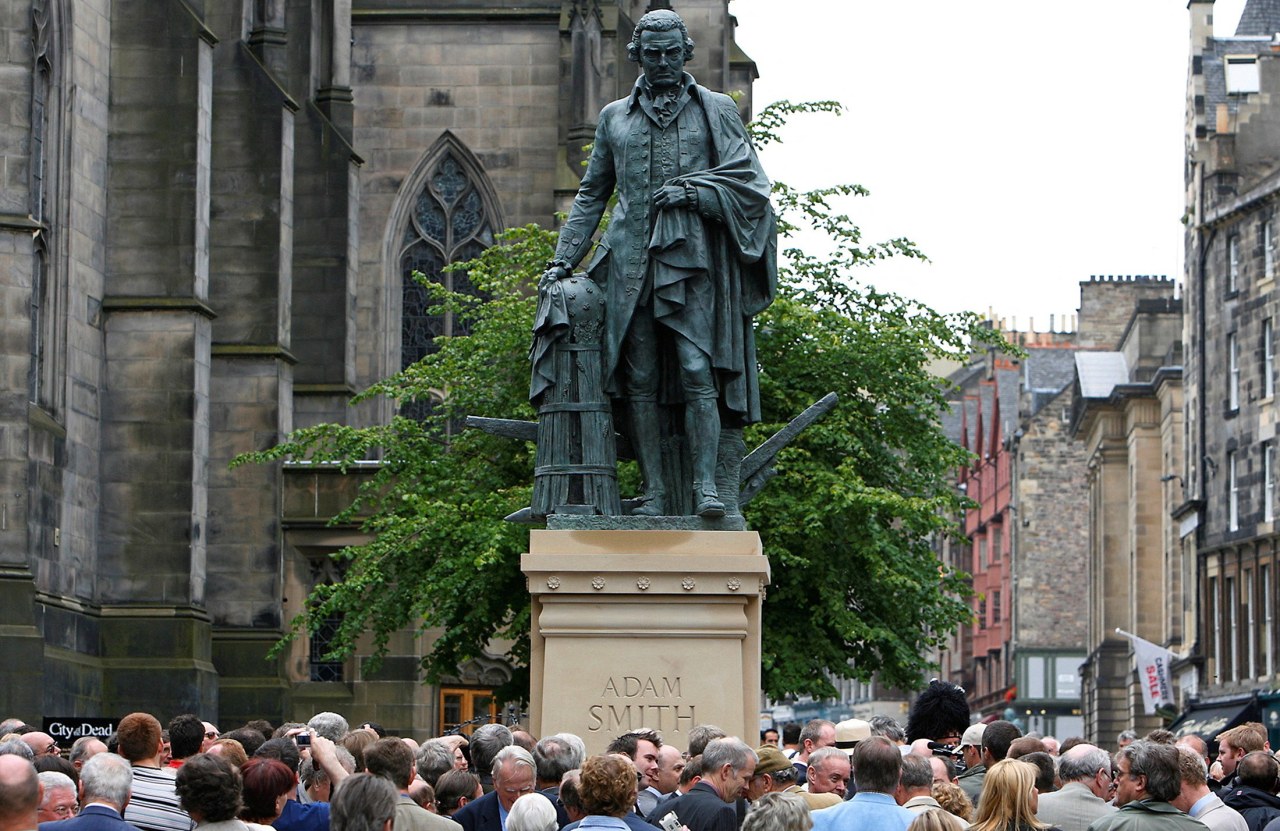
The original Scottish Enlightenment, which spanned from the late 17th to the late 18th centuries, produced luminaries such as David Hume and Adam Smith. Their contributions laid the groundwork for modern economics and philosophy and had a lasting impact on Western thought. The potential for a new enlightenment today could be driven by Scotland’s rich educational institutions and a growing emphasis on research and development.
In recent years, initiatives aimed at fostering innovation have emerged, reflecting a commitment to advancing Scotland’s position in global knowledge economies. With investments in technology and an increasing number of startups, the landscape is evolving. The Scottish Government has made significant strides in supporting these sectors, recognizing the importance of innovation for economic growth.
Challenges and Opportunities Ahead
Despite the optimistic outlook, challenges persist. The effects of Brexit have introduced complexities into Scotland’s relationship with the wider European Union, impacting trade and collaboration in research. As the nation navigates these changes, the call for a renewed intellectual movement is both timely and essential.
Nelson’s commentary emphasizes that fostering a new enlightenment requires not only political will but also a cultural shift towards valuing intellectual discourse and creativity. This aligns with the aspirations of many in the Scottish community who seek to reclaim a leadership role in global thought and innovation.
The dialogue initiated by Nelson and his contemporaries is crucial as Scotland stands at a crossroads. The potential for a new era of enlightenment could redefine its identity on the world stage, allowing for a resurgence of Scottish ideas that resonate well beyond its borders. As 2023 progresses, the evolution of this conversation will be closely watched, with the hope that it leads to a renewed commitment to the principles of inquiry and innovation that once flourished in Scotland.