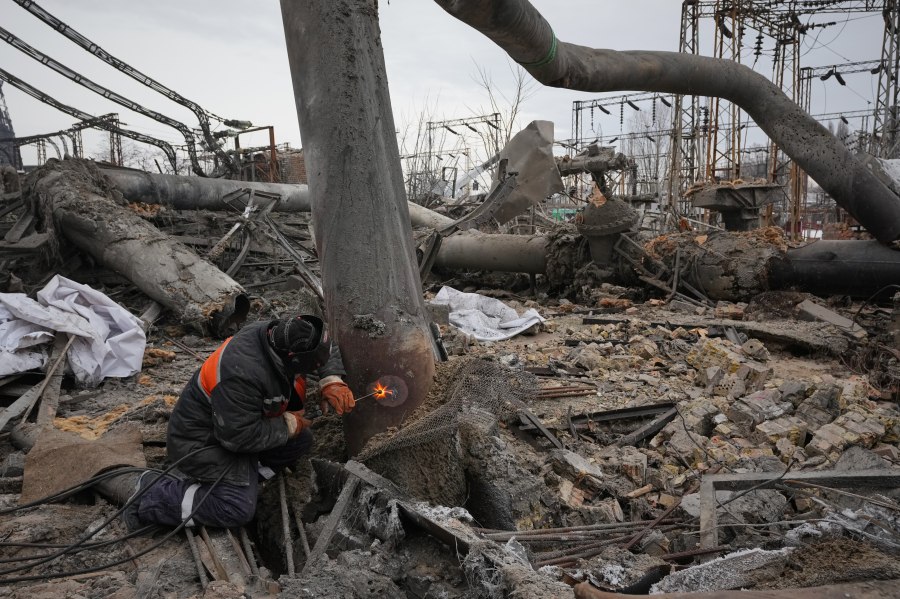
Negotiators from Russia and Ukraine engaged in a second day of peace talks on Thursday, facilitated by the U.S. government, in Abu Dhabi. These discussions aim to find a resolution to the ongoing conflict, which has intensified with Russia’s recent winter assaults on Ukraine’s power infrastructure. The urgency of these talks is magnified by a significant rise in civilian casualties in Ukraine, which has drawn international attention.
The meeting follows a year marked by escalating violence, with Ukrainian officials reporting an alarming increase in the number of civilians killed during the conflict. As both sides convene in the UAE capital, the focus is on addressing the humanitarian crisis exacerbated by the ongoing attacks.
Negotiations Amid Growing Tensions
During the discussions, negotiators are expected to address both immediate and long-term issues affecting the conflict. The U.S. has played a pivotal role in mediating these talks, emphasizing the necessity for a resolution that prioritizes the safety of civilians and stabilizes the region.
A spokesperson for the Ukrainian delegation indicated that their primary objective is to secure commitments that will protect the country’s critical infrastructure, which has suffered extensive damage due to Russian strikes. “We are working in the context of an ongoing crisis, and our focus remains on safeguarding our people,” the spokesperson stated.
On the Russian side, officials have expressed a willingness to consider proposals that could lead to a cessation of hostilities, provided that Ukraine demonstrates a commitment to negotiating in good faith. This delicate balance of interests underscores the complexity of the discussions.
International Response and Implications
The international community is closely monitoring the negotiations, with several countries expressing support for Ukraine while urging both parties to reach a peaceful resolution. The humanitarian situation in Ukraine has raised concerns among various organizations, which have called for immediate action to protect civilians and restore essential services.
According to reports, the talks in Abu Dhabi are part of a broader effort to de-escalate tensions in the region and create a framework for future negotiations. The outcome of these discussions may not only impact the immediate conflict but could also influence geopolitical dynamics in Eastern Europe.
In light of the current circumstances, both Russia and Ukraine face immense pressure to find common ground. As the talks progress, the world watches with hope for a breakthrough that could pave the way for lasting peace in a region long troubled by conflict.