

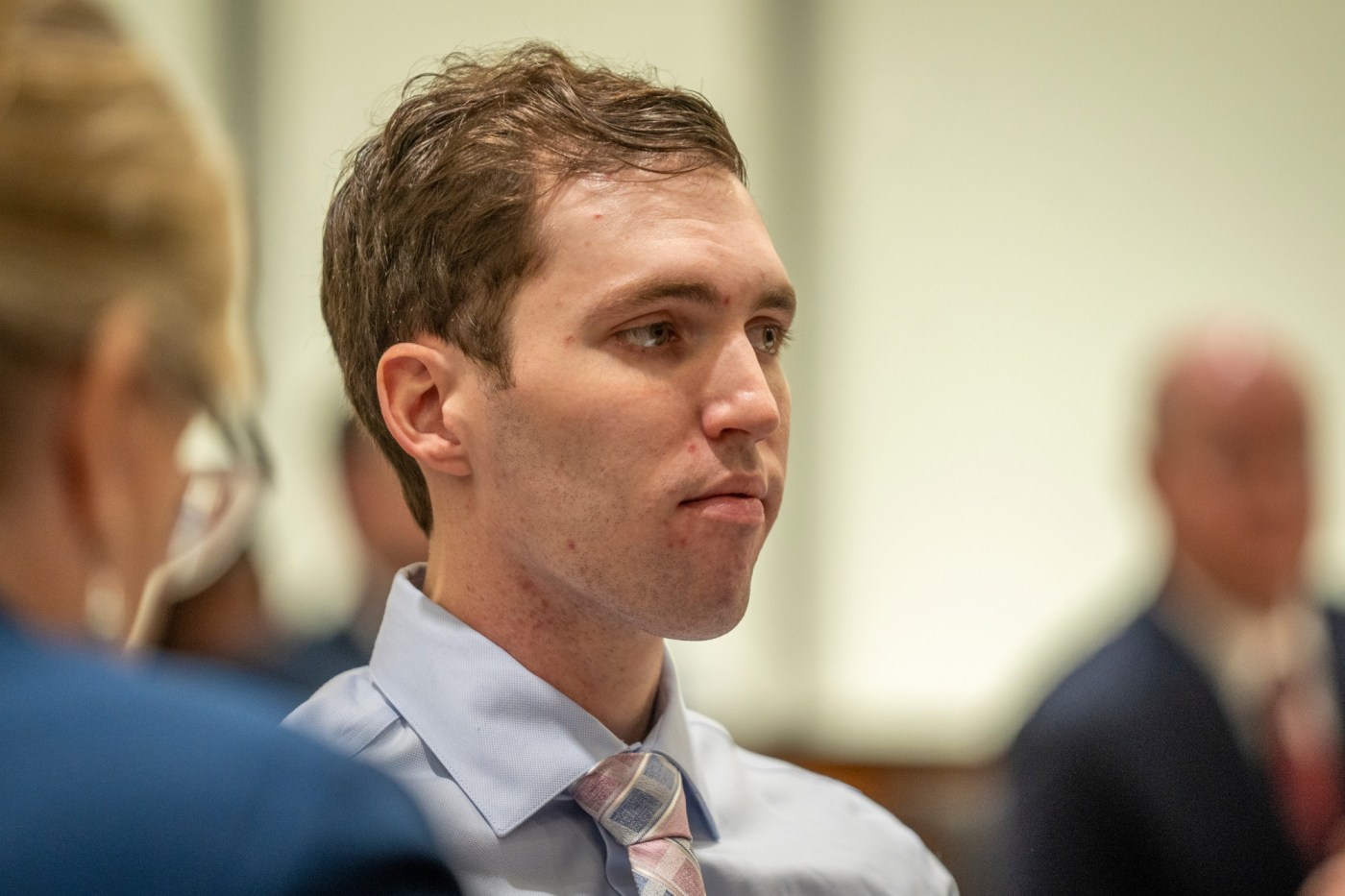


















Attorneys for Tyler Robinson, who faces charges for the shooting death of Charlie Kirk in September 2025, have filed a motion requesting the exclusion of photographers and cameras during specific segments of an upcoming evidentiary hearing. Scheduled for April 17, 2025, this hearing will address the defense’s concerns regarding the influence of media coverage on the proceedings.
In their motion, submitted in late February, Robinson’s legal team argued that the media has produced “harmful and prejudicial coverage” of the case thus far. They contend that discussing this evidence publicly could exacerbate the damage by republishing and emphasizing troubling narratives. The defense stated, “Highlighting this evidence in a public hearing will create ‘exponential harm by increasing speculation and adding unwarranted credulity to the information where there should be none.’”
While the defense seeks to limit media presence, they clarified that they do not intend to close the entire hearing. Instead, they aim to restrict access to portions of the proceedings that may contain potentially damaging, misleading, or private information. Their motion asserts that this limited closure would balance public access with Robinson’s right to a fair trial and ensure the integrity of the legal process.
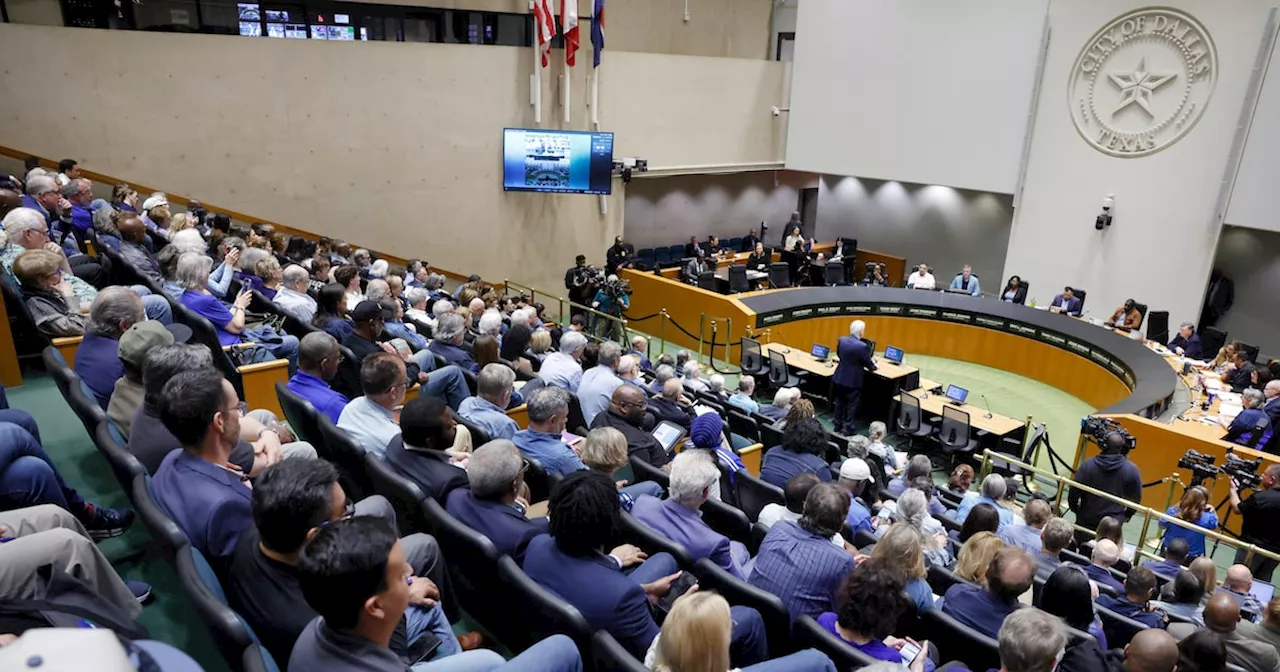
Debates surrounding media access to the trial have intensified. Previously, Robinson’s attorneys have sought to block cameras from the courtroom, while representatives for media organizations argue that the public has a right to access these proceedings. Erika Kirk, the widow of the deceased, has voiced her support for filming the trial, stating, “We deserve to have cameras in there. Why not be transparent? There’s nothing to hide. I know there’s not because I’ve seen what the case is built on. Let everyone see what true evil is,” she told Fox News in November 2025.
Judge Tony Graf Jr. has yet to make a definitive ruling on this matter. He has issued various case-by-case decisions since the pretrial hearings began, emphasizing the need to find a balance between public access and Robinson’s right to a fair trial. In late February, Judge Graf ruled that the Utah County prosecutor’s office could continue pursuing the death penalty, despite the defense requesting the removal of one prosecutor, Chad Grunander, due to a potential conflict of interest. Graf denied the defense motion, stating that no factual basis for a conflict had been established.
As the hearing date approaches, the legal community and public will be closely monitoring developments in the case, particularly regarding the contentious issue of media access and the implications it holds for the fairness of the trial.
















