





































A team of researchers from ETH Zurich in Switzerland has developed an innovative method for extracting 22-karat gold from electronic waste. This breakthrough opens up new job opportunities while promoting a sustainable approach to recycling precious metals found in everyday electronic devices.
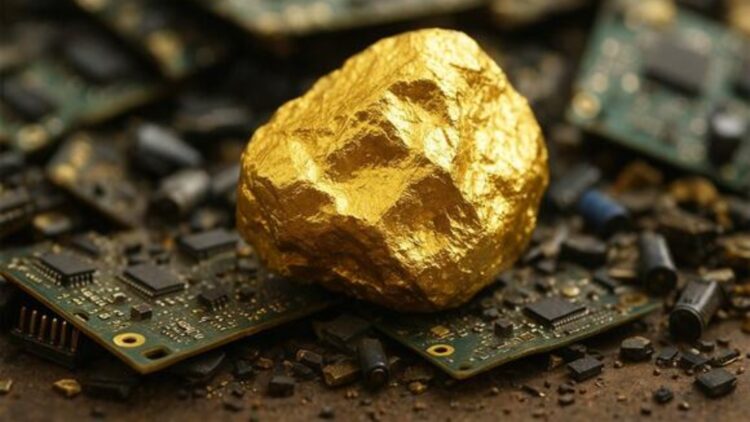
In a recent study, the researchers revealed that electronic products weighing as little as 25 grams can contain components that not only are recyclable but also include gold located in motherboards, chips, and small circuits. By recovering this gold, the method not only addresses the growing problem of electronic waste but also creates a specialized field within the recycling sector.
How Gold is Extracted from Electronic Devices
The extraction process involves the use of sponges made from protein fibrils sourced from the cheese industry. According to Talen24h, these sponges, when immersed in metal solutions derived from dissolved electronic devices, effectively attract and retain gold ions. Following this, a heat treatment process transforms these ions into small nuggets, yielding up to 450 milligrams of gold from just 20 old motherboards.
This method necessitates a skilled workforce, including individuals trained in chemistry, waste management experts, and specialists in food innovation. Thus, the advantages of this approach extend beyond economic and recycling benefits to include the potential for creating new career paths for those seeking employment or transitioning in their careers.
Advantages of the New E-Waste Management Approach
The benefits of this method are both significant and diverse. By recovering gold and other metals, it reduces reliance on traditional mining practices, which can be environmentally damaging. Additionally, the demand for qualified personnel in the recycling sector is expected to rise, creating new job opportunities.
Furthermore, this process leads to a reduction in electronic waste, resulting in decreased pollution and increased material reuse. In an era where technological consumption is at an all-time high, many consumers remain unaware of the hidden value within their discarded devices. The proposal from ETH Zurich not only aims to provide an environmental solution but also offers an economic one, contributing to the establishment of a circular economy.
The integration of gold extraction from electronic waste represents a significant step towards sustainable innovation, encouraging further research and development in the field. As society grapples with the massive volume of electronic waste generated each year, the researchers’ findings present a timely opportunity to rethink how we manage and value our discarded technology.
Through this new method, ETH Zurich has demonstrated that addressing environmental concerns can also lead to economic gains, ultimately benefiting both the planet and those seeking new employment opportunities.