









































The Republican Party is undergoing a notable shift in its traditional stance on Israel, marked by growing skepticism among younger conservatives and intensified divisions within the party. This evolution has become more apparent in the wake of the ongoing conflict in Gaza, which began when Hamas launched an attack on Israel on October 7, 2023, resulting in significant casualties on both sides.
During a recent Hanukkah celebration at the White House, former President Donald Trump suggested that the influence of the pro-Israel lobby in Washington has diminished. He stated, “If you go back, 10, 12, 15 years ago, the strongest lobby in Washington was the Jewish lobby, it was Israel. That’s no longer true.” This marks a stark contrast to the strong support for Israel expressed by previous Republican presidents like Ronald Reagan and George W. Bush. After the 2001 attacks on Israel, Bush emphasized the necessity of U.S. support for Israel, stating there would be “no ands, ifs or buts” about it.
The current conflict has led to escalating criticism of Israel’s military actions, particularly regarding the civilian toll in Gaza. The Gaza Health Ministry reported in November that Palestinian fatalities had exceeded 70,000, with a significant number of victims being women and children. This shift in public sentiment has been palpable among lawmakers, many of whom initially condemned Hamas but have since expressed concerns regarding Israel’s tactics.
On October 10, the first phase of a ceasefire deal, brokered by Trump, took effect, leading to the release of all living hostages. Nevertheless, accusations of ceasefire violations emerged from both sides in November, complicating the peace process. By early December, Israeli Prime Minister Benjamin Netanyahu indicated a potential move into the next phase of the ceasefire.
Emerging Conservative Skepticism
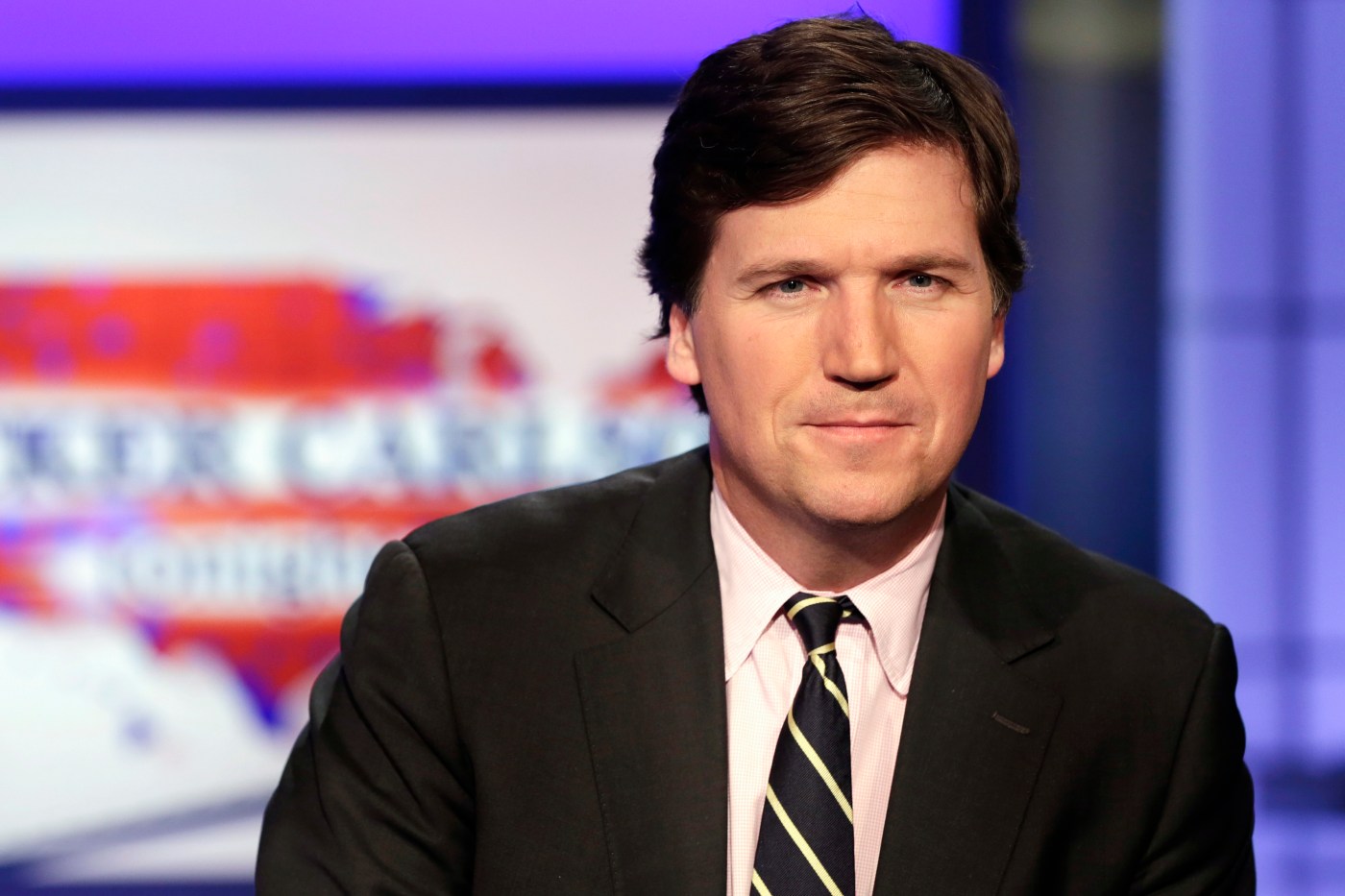
Among conservative commentators, there has been a notable shift. Tucker Carlson, once a strong advocate for U.S. military interventions, has now emerged as a vocal critic of American support for Israel. He described Israel as “a completely insignificant country” and questioned the United States’ strategic interest in maintaining such a strong alliance. Carlson has argued that the U.S. would benefit more from relationships with countries like Qatar, which has aided Hamas.
Carlson’s comments have sparked significant backlash within conservative circles. His decision to host far-right figure Nick Fuentes on his podcast, where Fuentes made anti-Semitic remarks, has further strained relationships among conservatives. While some, like Jewish commentator Ben Shapiro, condemned Carlson for providing a platform to such views, others, including Kevin Roberts, president of the Heritage Foundation, defended him, leading to a significant exit of staff from the think tank.
Tensions flared at the recent TurningPoint USA’s Americafest, where Shapiro criticized fellow conservatives, including Megyn Kelly, for not denouncing conspiracy theories surrounding Israel. Kelly countered by claiming that it was the pro-Israel activists who were promoting division within the party.
Generational Divide Among Republicans
The new “America First” ideology is gaining traction among younger Republicans, many of whom are increasingly skeptical of U.S. involvement with Israel. A poll conducted by the Institute for Middle East Understanding Policy Project and YouGov revealed that only 23% of Republicans aged 18 to 44 believe the U.S. should enhance its support for Israel, compared to 31% of those over 45.
The younger demographic also holds a markedly different view of Netanyahu, with a net approval rating of just two points among Republicans under 45, compared to a 40-point net favorability among older Republicans. Brent Buchanan, president of Cygnal, noted that younger conservatives are more focused on domestic issues and wary of entanglements that could lead to military intervention.
In comments surrounding the generational divide, Vice President JD Vance highlighted the distinction between criticism of Israeli policies and anti-Semitism, a sentiment echoed by many in the younger conservative movement.
As the Republican Party navigates these internal conflicts, the implications of shifting views on Israel may redefine its long-standing foreign policy positions and influence upcoming electoral strategies. The ongoing discussion within the party underscores a broader transformation that could reshape traditional alliances and the party’s identity moving forward.
















