



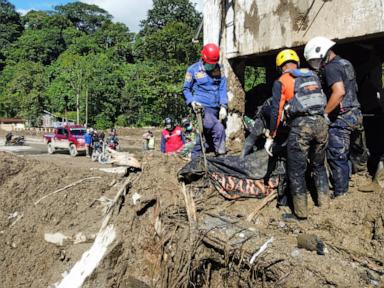


































Efforts to recover from catastrophic flooding in Southeast Asia are gaining momentum as governments respond to a disaster that has claimed over 1,000 lives across Indonesia, Sri Lanka, and Thailand. The flooding and subsequent landslides, which occurred last week, have left a profound impact, with hundreds still unaccounted for in the affected regions.
In Indonesia, President Prabowo Subianto assured survivors that assistance is on the way. During his visit to the stricken areas on Monday, he committed to rebuilding infrastructure while addressing the pressing needs of those displaced by the disaster. At least 502 fatalities have been reported in Indonesia alone, with the National Disaster Management Agency indicating that 508 people remain missing. The floods have forced approximately 290,700 individuals from their homes across North Sumatra, West Sumatra, and Aceh provinces.
As rescue operations continue, some regions remain inaccessible due to damaged roads and disrupted communications. Relief efforts are primarily reliant on aircraft delivering essential supplies to those in need. President Prabowo emphasized the importance of confronting climate change, stating, “Local governments must take a significant role in safeguarding the environment and preparing for the extreme weather conditions that will arise from future climate change.”
Rescue Operations in Sri Lanka and Thailand
Meanwhile, in Sri Lanka, authorities reported that search teams are actively looking for 370 missing individuals. The recent heavy rains have displaced nearly 148,000 people, many of whom are currently housed in temporary shelters. The central hill country, a key tea-growing region, has been particularly hard hit, with homes, fields, and roads inundated.
In Thailand, Prime Minister Anutin Charnvirakul outlined recovery and compensation plans for the southern provinces, where severe flooding has affected over 1.4 million households and impacted approximately 3.8 million people. The Department of Disaster Prevention and Mitigation has been coordinating efforts to aid those affected, ensuring that recovery resources are efficiently allocated.
The flooding across these three nations highlights the urgent need for comprehensive disaster preparedness strategies as climate change continues to exacerbate extreme weather events. As recovery efforts progress, the focus remains on restoring normalcy and providing support to the countless families affected by this devastating natural disaster.