









































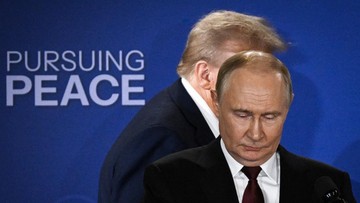
President Vladimir Putin has stated that Russia is beginning to feel the effects of the ongoing global energy crisis, which has been exacerbated by the conflict between Iran and the United States alongside Israel. This statement comes as the geopolitical landscape continues to shift, impacting energy supply and prices worldwide.
During a recent address, Putin highlighted that the repercussions of the Middle Eastern tensions are now reaching Russian shores. He noted that the crisis has influenced energy markets significantly, leading to fluctuations that could affect Russia’s economy. The conflict has resulted in rising oil prices, with crude oil recently hitting approximately $90 per barrel, a stark reminder of the volatility in the sector.
Economic Implications for Russia
Putin’s comments reflect a broader concern within the energy sector. Analysts suggest that Russia, heavily reliant on energy exports, may face economic challenges as global demand shifts and geopolitical conflicts disrupt supply chains. The World Bank has warned that countries dependent on energy exports could see their revenues decline if prices stabilize or fall in response to reduced demand.
The Russian economy has been under pressure due to Western sanctions imposed following the invasion of Ukraine in 2022. As a result, the country has sought to redirect its energy exports to Asia. However, the recent developments in the Middle East could complicate these efforts.
Putin emphasized the need for Russia to adapt to these changes, stating, “The energy market is undergoing significant transformation. We must remain vigilant and responsive to these developments.” His remarks underline the urgency for Russia to navigate the shifting dynamics of global energy consumption.
Global Energy Landscape
The energy crisis is not unique to Russia; it has affected nations worldwide. The conflict in the Middle East has raised concerns about supply security, prompting countries to reconsider their energy strategies. Nations are increasingly looking toward renewable energy sources, while also managing their existing fossil fuel dependencies.
According to the International Energy Agency, the global energy crisis is expected to persist into 2024, particularly as geopolitical tensions continue to influence market stability. The agency’s recent report indicated that energy prices may remain elevated, affecting consumers and industries alike.
As countries grapple with these challenges, the implications for energy policy are profound. Nations are being forced to reassess their energy security and reliance on imports, particularly from regions experiencing conflict. This situation underscores the interconnectedness of global energy markets and the ripple effects that local conflicts can have on international economies.
In response to the unfolding crisis, Russia’s government is reportedly evaluating options to stabilize its economy and maintain energy exports. The coming months will be critical as the situation develops, and the impact of the crisis becomes clearer.
Putin’s acknowledgment of the energy crisis serves as a reminder of the complexities facing global leaders today. With energy security at stake, the geopolitical landscape will continue to evolve, influencing economies far beyond the borders of the countries involved.
















