









































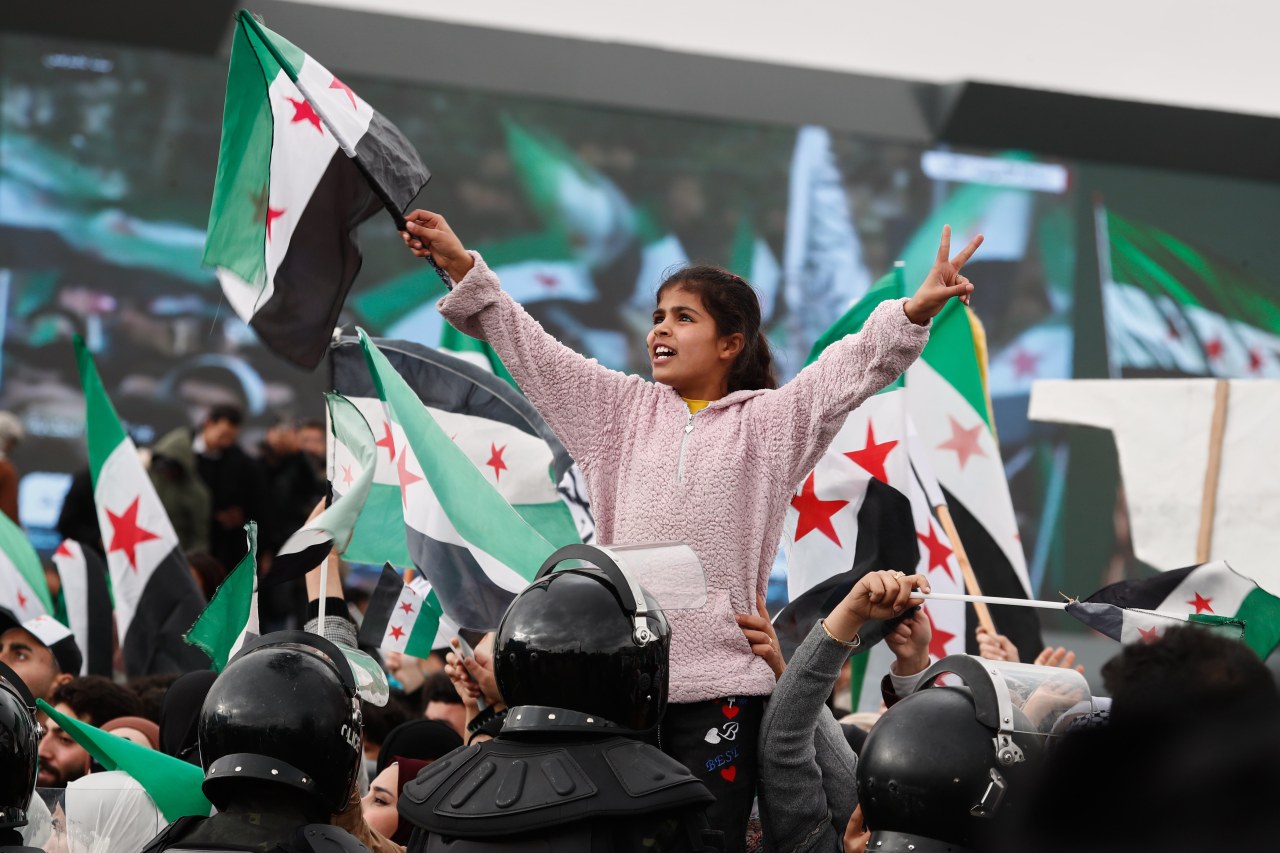
Political Islam is witnessing a significant shift as its appeal diminishes, prompting a more pragmatic approach among its factions. While isolated attacks by extremist groups continue to occur, the broader trend indicates a retreat of jihadism, particularly in regions where political Islam has traditionally held sway.
Recent findings from the Global Terrorism Index reveal a marked decrease in jihadist activity, with reported incidents dropping by 23% in 2022 compared to the previous year. This decline is attributed to a combination of factors, including increased military pressure and evolving political landscapes in the Middle East.
Shifts in Strategy Among Extremists
Despite ongoing attacks, notably by groups such as Al-Qaeda and the Islamic State, the overall effectiveness and recruitment capabilities of these organizations appear to be waning. The U.S. Department of State has noted that the organizational structures of these groups are increasingly fractured, leading to a reduction in their operational strength.
Political Islam’s appeal is transforming as many factions begin to seek legitimacy through participation in political processes rather than through violence. This change reflects a growing recognition that extremist tactics may alienate potential supporters and hinder broader political objectives. In countries like Egypt and Tunisia, political movements are increasingly focusing on governance and social issues, distancing themselves from violent ideologies.
Research from various think tanks indicates that the public perception of jihadist ideologies is shifting. A February 2023 survey conducted in multiple Middle Eastern countries highlights that a majority of respondents view extremism as a significant threat to their societies, leading to a decline in support for jihadist groups.
Impact of International Relations
International dynamics also play a crucial role in the retreat of jihadism. Regional powers, such as Saudi Arabia and Turkey, are reassessing their strategies in response to both domestic pressures and international expectations. These nations are increasingly focused on stability and economic growth, moving away from supporting extremist groups that could jeopardize their interests.
The implications of this shift are profound. As political Islam becomes more integrated into governmental frameworks, the potential for dialogue and cooperation increases. This could lead to more effective counter-terrorism strategies that prioritize community engagement and development over military responses alone.
In summary, while isolated acts of terrorism continue to pose challenges, the overall trajectory suggests that jihadism is in retreat. Political Islam’s adaptation to more pragmatic approaches may provide new avenues for addressing the underlying issues that fuel extremism. As these dynamics evolve, the international community must remain vigilant, adapting its strategies to support stability and resilience in affected regions.
















