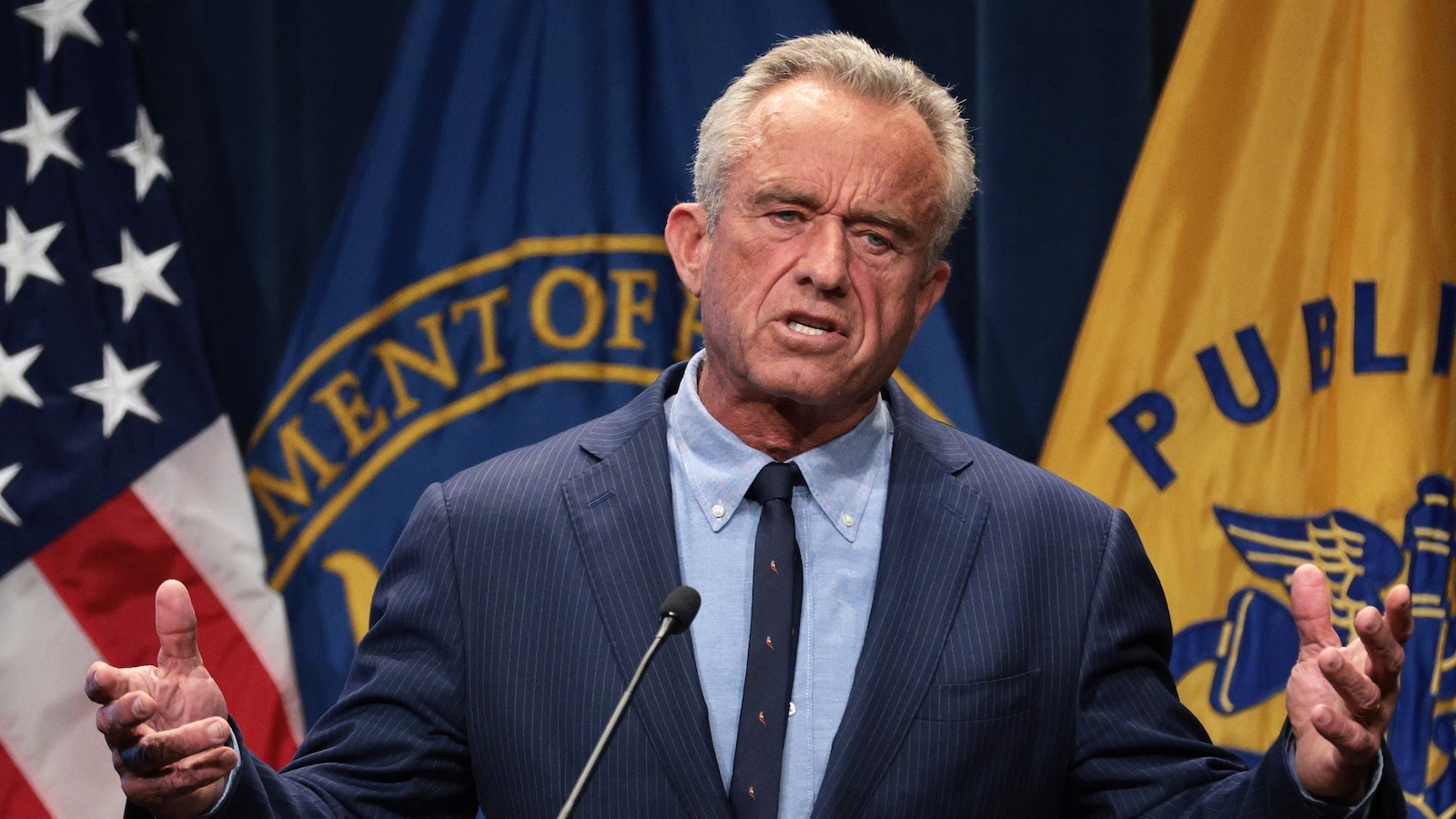






































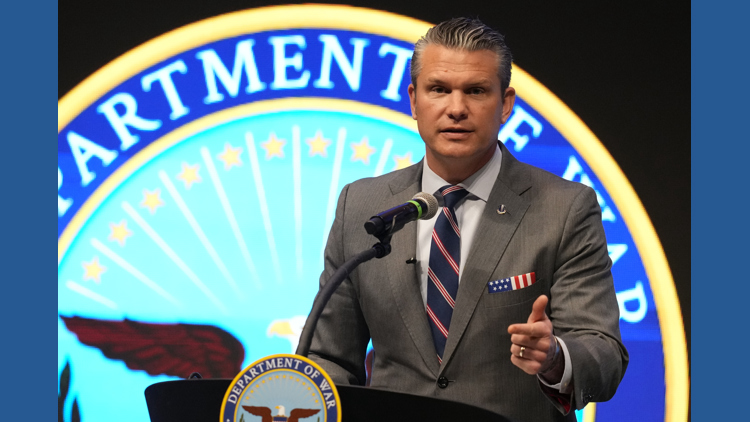
Pentagon officials held rare press briefings this week, but several major news outlets were denied access, raising concerns about transparency in government communications. The briefings, which took place on March 12, 2024, were intended to provide updates on significant defense issues, yet outlets with a wide reach, including the Associated Press and CNN, were notably excluded.
This decision has sparked criticism from media advocacy groups and some journalists, who argue that restricting access undermines public interest. The briefings typically serve as a platform for officials to communicate critical information regarding national security and military operations. By limiting participation, the Pentagon risks creating an information gap that could affect public understanding of key defense matters.
In recent years, the U.S. Department of Defense has faced scrutiny over its handling of media relations. Journalists from excluded outlets expressed frustration over the lack of transparency and the implications this exclusion could have on accountability. “These briefings are crucial for informing the public about government actions,” said a spokesperson for the American Society of News Editors. “Limiting access to select outlets sends a troubling message about the government’s commitment to openness.”
The briefings themselves covered topics such as military readiness and international defense partnerships, which are of significant importance not only to policymakers but also to the general public. Critics argue that keeping major news organizations in the dark could lead to misinformation and speculation, as alternative channels may not provide the same level of scrutiny or fact-checking.
While the Pentagon has defended its decision by stating that it aims to streamline communication processes, the exclusion of well-established news organizations raises questions about equitable access to information. As media landscape evolves, ensuring diverse voices and perspectives remains essential for a well-informed citizenry.
The implications of this decision extend beyond the immediate fallout. If such practices continue, it could set a precedent for how information is disseminated by government entities, potentially prioritizing certain narratives over others. Transparency is a cornerstone of democracy, and as such, public access to government communications should be a priority.
As discussions continue regarding the future of media access to government briefings, it remains vital for stakeholders to advocate for fair treatment of all news organizations. Ensuring that diverse media voices are included in discussions around national security and defense matters is essential for fostering an informed public and maintaining accountability within the government.