




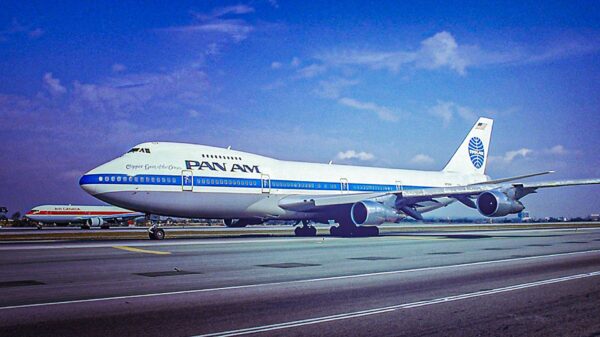


































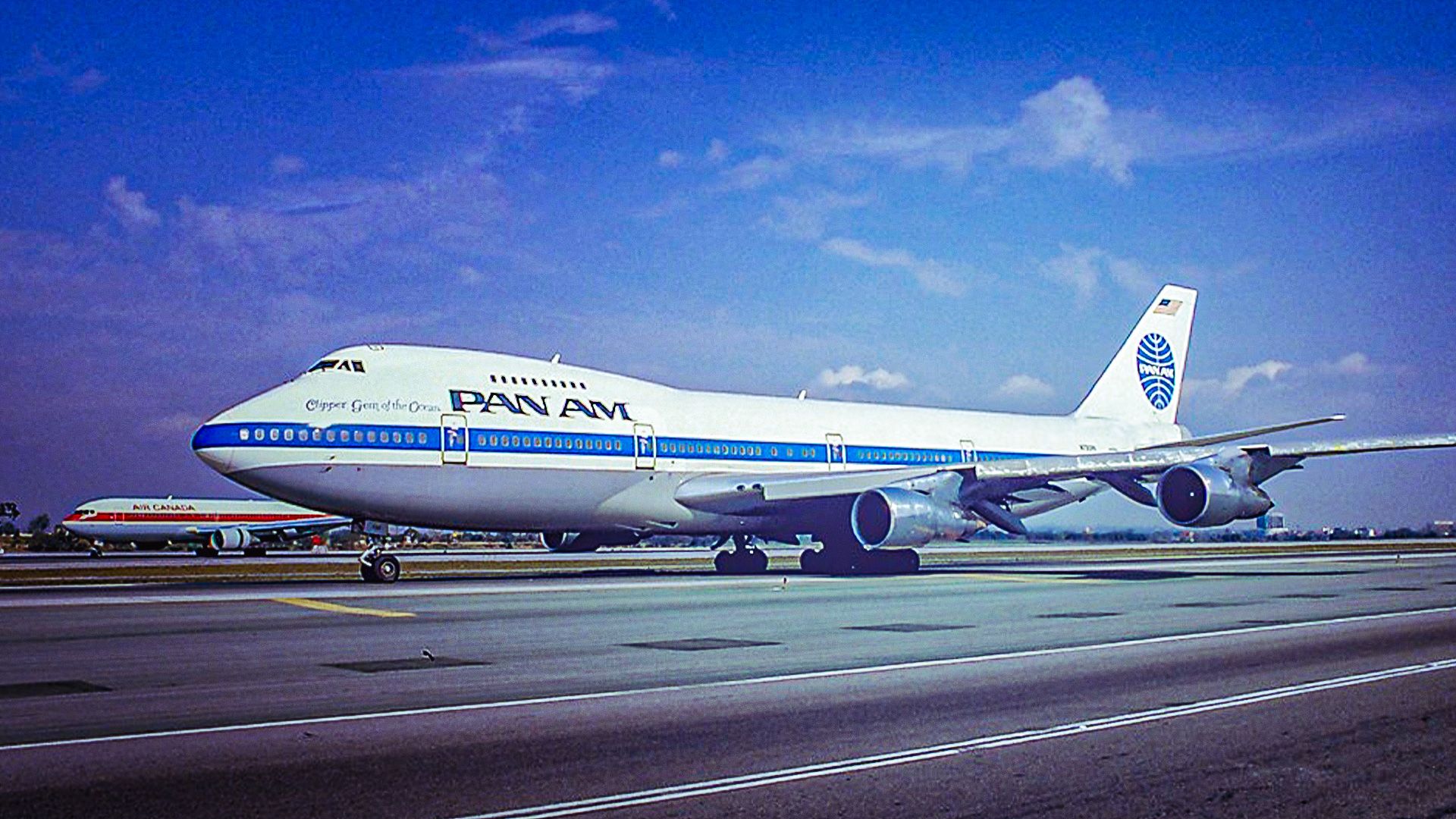
Pan American World Airways, commonly known as Pan Am, ceased operations on December 4, 1991, marking the end of a significant chapter in American aviation history. Once regarded as the flagship airline of the United States, Pan Am was a pioneer in long-haul routes and played a pivotal role in the development of commercial aviation. Its closure resulted from a combination of financial difficulties, competitive pressures, and external events that severely impacted its operations.
The deregulation of the American airline industry in 1978 fundamentally altered the market landscape. Following deregulation, airlines with extensive domestic networks effectively fed passengers into international flights, a strategic advantage that Pan Am lacked. In an attempt to address this gap, the airline pursued the acquisition of National Airlines in 1980, a move that ultimately added significant debt and complexity to its operations. To raise capital, Pan Am began selling off valuable assets, further constraining its already limited network.
In addition to these internal challenges, Pan Am faced several external shocks that exacerbated its financial struggles. The 1988 Lockerbie bombing, a tragic incident that resulted in the loss of 270 lives, severely damaged the airline’s reputation and imposed substantial costs. The subsequent 1990-1991 Gulf crisis led to soaring fuel prices, further increasing the airline’s operational costs.
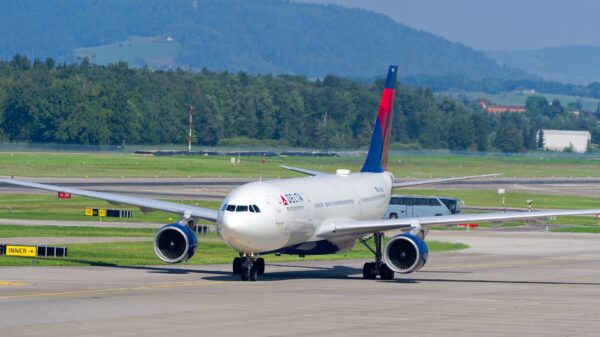
In January 1991, Pan Am filed for Chapter 11 bankruptcy protection in an effort to reorganize. The airline attempted to reposition itself as a smaller carrier focused primarily on services from Miami International Airport (MIA). Key assets, including parts of its transatlantic operations, were sold to Delta Air Lines in a bid to stabilize finances. Despite a brief relaunch of services on November 1, 1991, the airline could not overcome its mounting losses, leading to its eventual shutdown just weeks later.
A Historical Overview of Pan Am’s Rise and Fall
Founded in 1927 as a small airmail operation, Pan Am quickly evolved under the leadership of Juan Trippe. The airline launched commercial service between Key West, Florida, and Havana, Cuba, capitalizing on the increasing demand for Caribbean routes. By the 1930s, Pan Am expanded aggressively into Latin America and pioneered long-distance flights using “Clipper” flying boats, connecting distant cities across oceans.
Throughout the mid-20th century, Pan Am became synonymous with American aviation, largely due to its innovative spirit and commitment to quality service. The airline played a crucial role in ushering in the jet age, being one of the first to adopt the Boeing 707. In 1970, Pan Am introduced the Boeing 747, a game-changing aircraft that revolutionized international travel and solidified the airline’s status as a leader in the industry.
At its peak in the late 1960s and early 1970s, Pan Am operated 150 jets and served 86 countries, covering an impressive 81,410 miles of scheduled routes. The airline carried millions of passengers annually and dominated prestigious routes linking New York with Europe and South America. Its iconic blue globe logo symbolized international travel, and its services became a benchmark for comfort and reliability.
Financial Struggles and the End of an Era
Despite its storied history, Pan Am’s business model faced significant challenges in the changing aviation landscape. The airline’s reliance on international routes without a robust domestic network made it vulnerable to market fluctuations. Increased competition, coupled with high fixed costs associated with maintaining a global presence, added strain to its financial stability.
The oil crisis of the early 1970s further complicated matters, as rising fuel costs strained the airline’s profitability. Faced with a volatile demand environment, Pan Am management resorted to asset sales and short-term financing, which ultimately weakened its operational flexibility. These financial pressures continued into the 1980s, culminating in a series of unfortunate events that led to the airline’s demise.
The Lockerbie bombing in 1988 represented a turning point for Pan Am, resulting in significant reputational damage. The airline’s attempts to recover from this tragedy were hampered by a shrinking route network and increasing operational costs. By 1991, the airline’s financial situation had become untenable, leading to its final closure.
Pan Am’s legacy, while marked by its decline, is characterized by its profound impact on the aviation industry. The airline played a crucial role in shaping modern international air travel, particularly in transatlantic routes. Many current U.S.-based services to Europe trace their origins back to the framework established by Pan Am.
Though the airline is no longer in operation, its branding and ethos continue to resonate in the aviation industry. The company that owns the Pan Am brand is currently evaluating the feasibility of reviving it as a scheduled airline, a testament to the enduring fascination with its legacy.
In summary, Pan American World Airways was more than just an airline; it was a cultural icon that defined an era of aviation. While its operations ceased over three decades ago, the influence of Pan Am on commercial aviation and its role in making air travel accessible to millions cannot be overstated. The airline’s legacy serves as both an inspiration and a cautionary tale for future generations in the aviation industry.