









































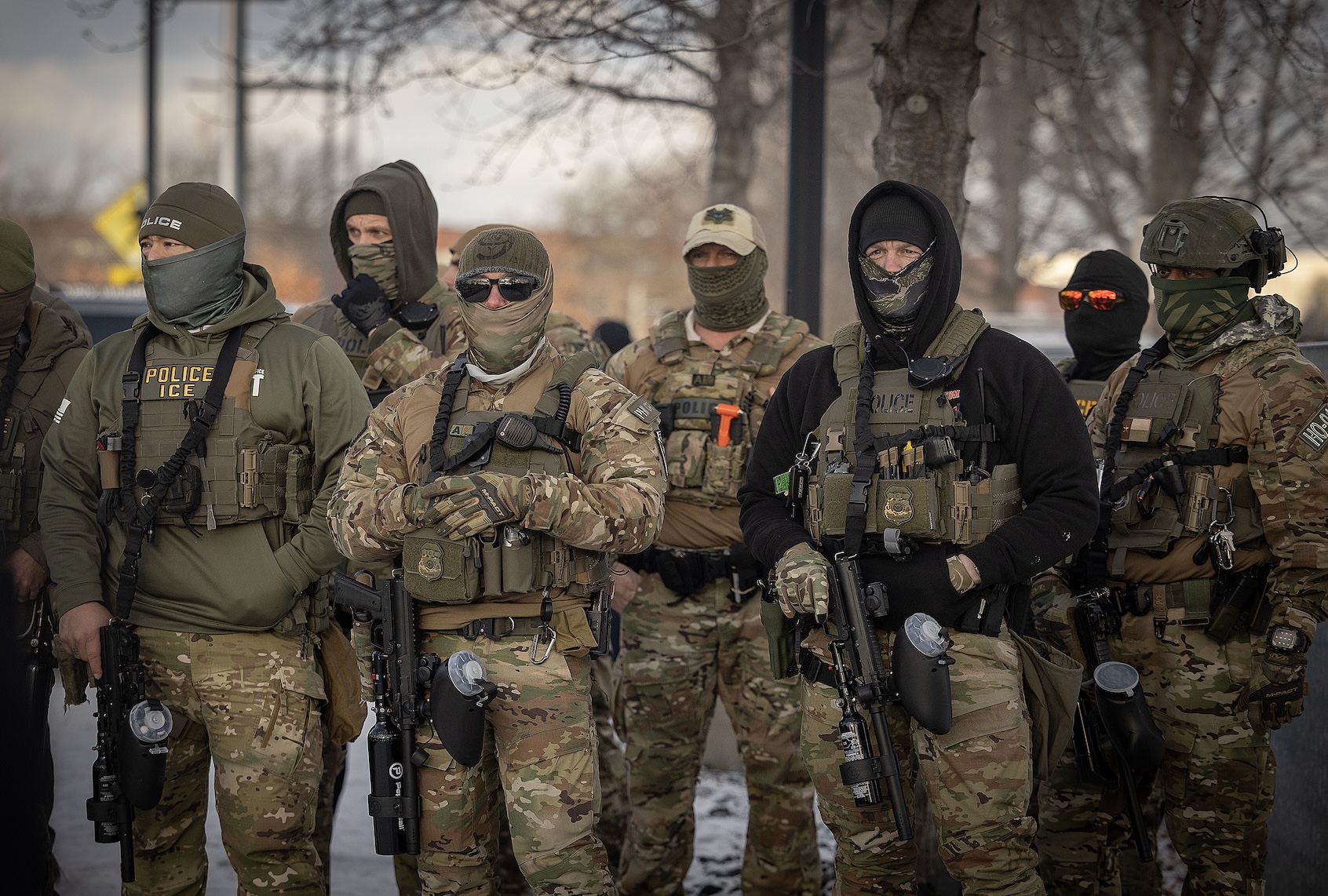
The president of the Oglala Sioux Tribe, Frank Star Comes Out, is calling for the immediate release of three tribal members detained by U.S. Immigration and Customs Enforcement (ICE) officers in Minneapolis, Minnesota, on November 3, 2023. The individuals, who were reportedly homeless and living under a bridge, have since been transferred to an ICE facility at Fort Snelling.
Star Comes Out emphasized that the detainees are “citizens of the United States by statute and citizens of the Oglala Sioux Nation by treaty.” He stated that the Oglala Sioux Tribe’s memorandum clarifies that “tribal citizens are not aliens” and are “categorically outside immigration jurisdiction.” In a statement shared on his Facebook page, he condemned the detention as a violation of treaties, asserting, “Treaties are not optional. Sovereignty is not conditional. Our citizens are not negotiable.”
The controversy surrounding the detention has raised significant concerns among Indigenous communities, who have increasingly found themselves targets of immigration enforcement actions. Star Comes Out expressed frustration regarding the lack of information provided by ICE concerning the detainees, noting that the agency only disclosed their first names. He stated that further details were contingent upon the tribe entering into an immigration agreement with ICE, which he firmly rejected.
“We will not enter an agreement that would authorize, or make it easier for, ICE or Homeland Security to come onto our tribal homeland to arrest or detain our tribal members,” he said. To date, the Department of Homeland Security has not responded to inquiries from tribal authorities regarding the matter.
Indigenous Communities Facing Increased Scrutiny
The situation reflects a broader trend of heightened scrutiny of Indigenous individuals by immigration authorities. Elaine Miles, an actress and member of the Confederated Tribes of the Umatilla Indian Reservation, shared her own experience with ICE in November, where agents dismissed her tribal ID as “fake,” undermining its legitimacy.
“Anyone can make that,” Miles recalled one agent saying, highlighting systemic issues within immigration enforcement practices. These incidents contribute to growing unrest among Indigenous populations regarding their treatment by federal authorities.
As tensions continue to rise, community leaders are urging greater awareness and action to safeguard the rights and sovereignty of Indigenous peoples. The Oglala Sioux Tribe’s ongoing efforts to secure the release of their members will likely draw attention to the need for policy reforms regarding the treatment of tribal citizens in immigration matters.
The demands for accountability and respect for tribal sovereignty resonate strongly as Indigenous communities navigate the complexities of federal immigration policies. The Oglala Sioux Tribe stands firm in its commitment to protect its citizens against what they view as unjust detentions and violations of their rights.
















