









































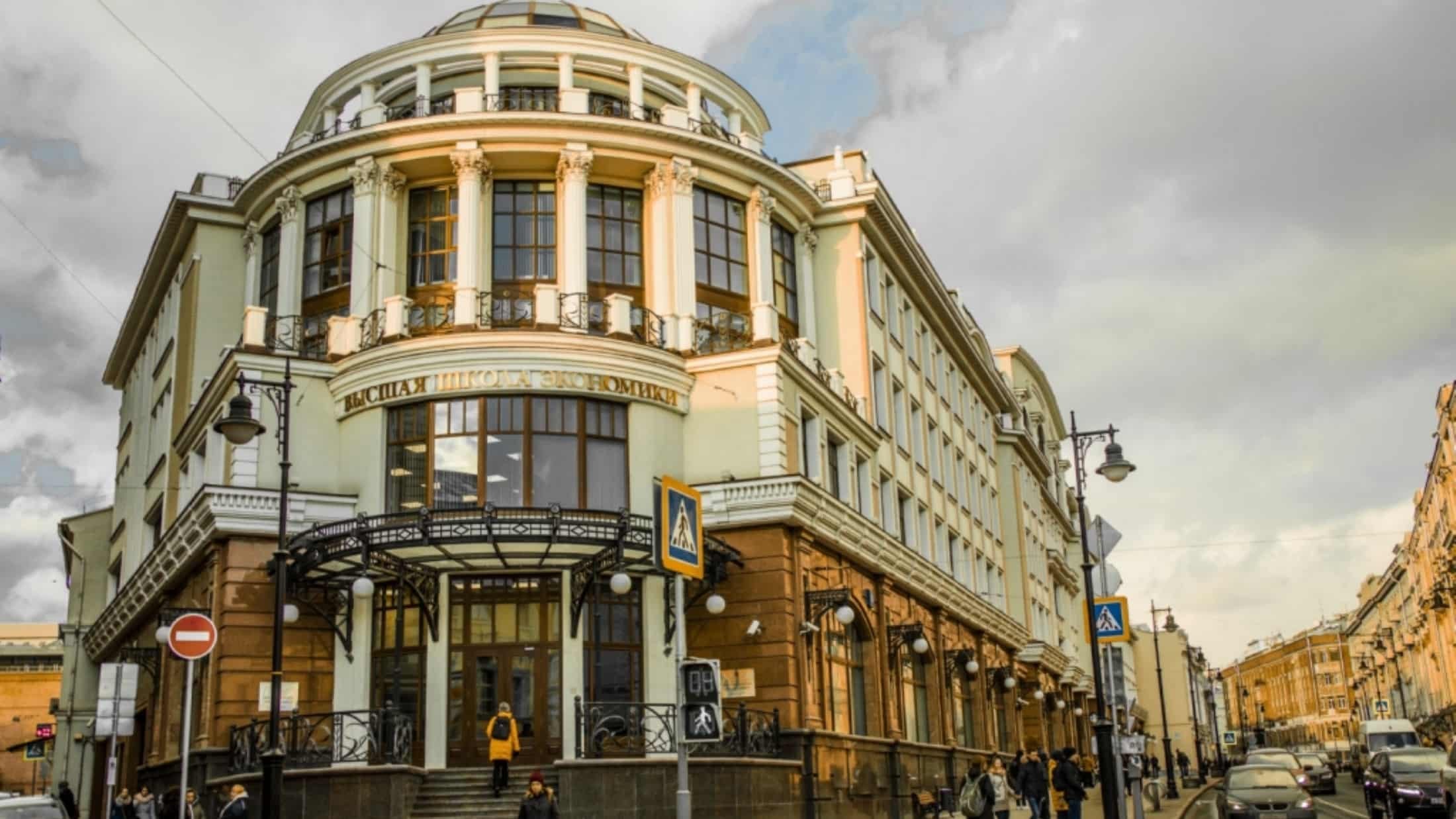
One of Moscow’s leading academic institutions, the Higher School of Economics, is actively recruiting students to join the Russian military by offering significant signing bonuses. Reports indicate that students are being promised positions in non-combat roles, with bonuses reaching up to 5.2 million rubles (approximately $68,600 USD). However, legal experts have cautioned that these recruitment strategies are misleading and may ultimately place these young individuals in perilous situations.
According to a report by The Moscow Times, the university’s recruitment campaign is part of a broader initiative involving several academic institutions across Russia. Students are being informed that they will serve one-year tours in the military’s drone units, which are purportedly stationed away from the front lines of the ongoing conflict in Ukraine.
Despite these assurances, advocacy groups have raised alarms about the reality of these positions. Artyom Klyga, a lawyer associated with the Movement for Conscientious Objectors, highlighted on Telegram that the contracts signed by recruits are essentially indefinite. He noted that all military contracts have become open-ended following Vladimir Putin’s mobilization decree issued in 2022, which was enacted at the beginning of Russia’s invasion of Ukraine. Klyga remarked, “In reality, you could find yourself on the front lines, including as a member of an assault unit.”
The Higher School of Economics has faced scrutiny for its close ties to the Russian government, particularly under Putin’s administration. The institution’s decision to offer military recruitment bonuses has raised ethical questions and concerns about the exploitation of students’ aspirations and financial needs.
Other universities, including the Moscow Institute of Physics and Technology, Siberian Federal University, and Shukhov Belgorod State Technological University, are reportedly conducting similar recruitment tactics. These efforts have drawn criticism from various sectors, as they seemingly leverage students’ academic ambitions to bolster military enlistment.
The situation reflects a troubling trend within Russian society, where the intersection of education and military service is increasingly blurred. With the ongoing conflict in Ukraine, the implications of such recruitment campaigns extend beyond the academic realm, raising significant concerns about the safety and well-being of students drawn into military service under false pretenses.
As these institutions continue to promote military enlistment, the potential consequences for students remain unclear. The recruitment strategies may not only put young academics in harm’s way but also challenge the ethical responsibilities of educational institutions in times of conflict.
















