









































On February 8, 2024, NBC sportscaster Mike Tirico made a remarkable journey, flying approximately 6,000 miles (9,650 km) from the Super Bowl in Santa Clara, California, to Milan, Italy, for the Winter Olympics. After providing live coverage of Super Bowl LVIII at Levi’s Stadium, Tirico seamlessly transitioned into Olympic reporting, showcasing the demanding schedules faced by sports broadcasters.
Efficient Logistics and Strategic Broadcasting
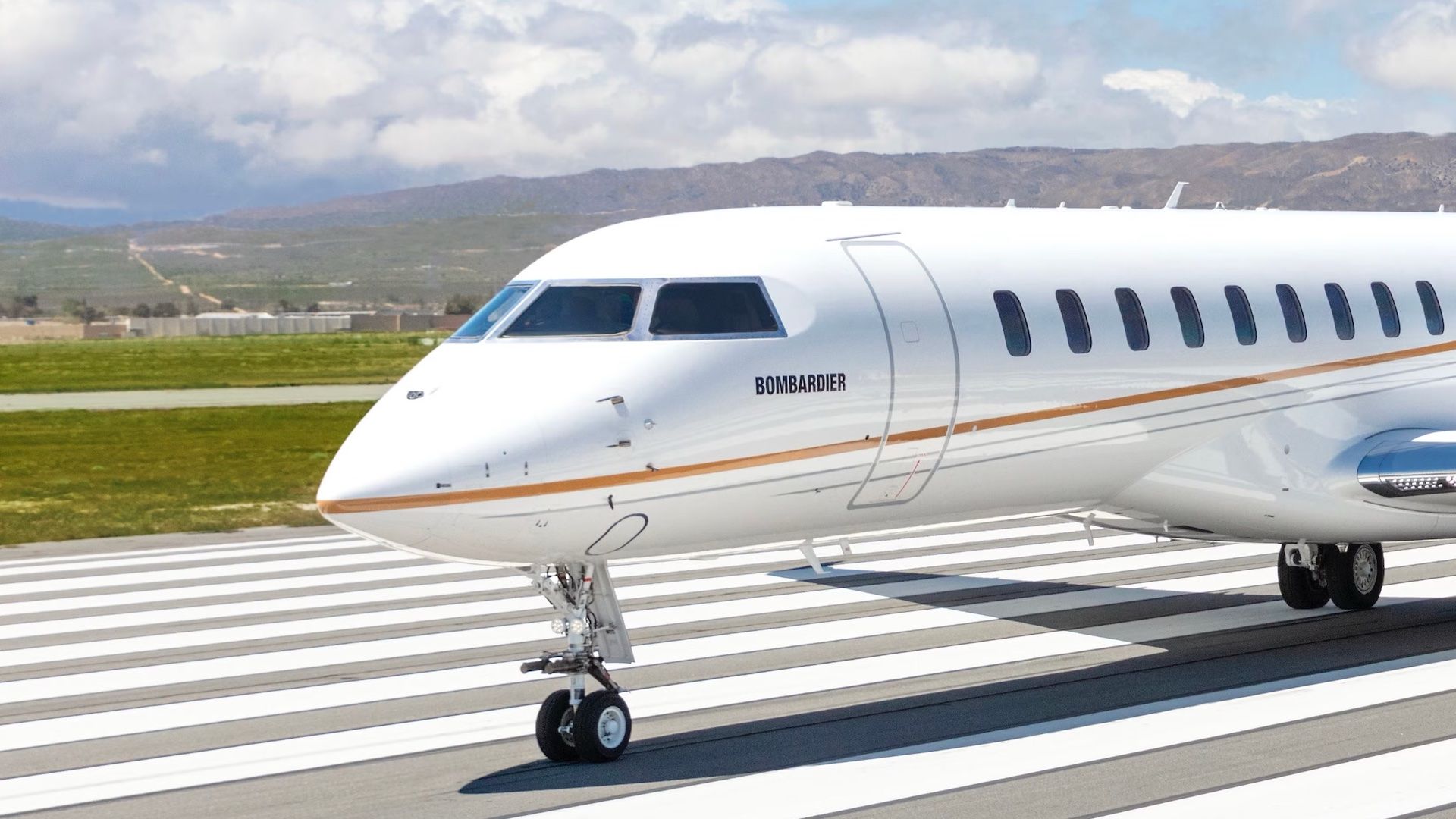
Tirico’s travel involved a private jet, which allowed him to bypass the uncertainties associated with commercial flights, such as missed connections and weather delays. His flight departed California at around 01:30 local time, landing in Milan at approximately 21:00. The aircraft used for this long-haul journey was a Bombardier Global 7500, noted for its ability to cover ultra-long distances, with a flight time of around 10.5 hours according to data from FlightAware. This strategic decision ensured Tirico was ready for in-studio coverage of the Milan Cortina Winter Games.
As part of NBCUniversal’s extensive Olympic coverage, which will total around 3,200 hours of content, Tirico’s role served as a vital link between two major sporting events. By engaging in live commentary during the Super Bowl and quickly transitioning to Olympic coverage, he exemplified the intense coordination required in high-profile broadcasting.
Aviation’s Role in Modern Broadcasting
This incident illustrates the intersection of sports, finance, and private aviation. NBC’s operational needs necessitated the use of a private jet, allowing Tirico to arrive promptly for the Olympics despite the time-sensitive nature of the events. While private jets are typically considered a luxury, for a media company like NBC, the expense is justifiable when it ensures seamless coverage.
Flight-tracking data shows the flight was identified as VistaJet Flight VJT337J, highlighting how modern travel has become more transparent. Enthusiasts and analysts alike can easily monitor aircraft movements, raising questions about the implications of such travel in terms of cost, environmental impact, and social equity.
With the backdrop of ongoing climate discussions, the decision to utilize a private jet for this journey invites scrutiny. While there are undeniable benefits to efficiency and logistics, the optics of such travel can provoke debates about emissions and corporate responsibility. For NBC, the ability to deliver live coverage from two continents in a single night was a priority that outweighed environmental considerations.
The use of high-end business jets, like the Bombardier Global 7500, showcases the capabilities available for corporate travel today. Designed for ultra-long flights, these jets offer not only speed but also comfort, allowing passengers to work or rest effectively during transit. For NBC and similar organizations, chartering such aircraft is a logistical solution that aids in managing complex schedules.
Ultimately, Tirico’s journey from the Super Bowl to the Winter Olympics sheds light on the intricate balancing act that modern broadcasters must navigate. It highlights the challenges of logistics, the pressures of timely coverage, and the broader conversations surrounding private aviation in a world increasingly focused on sustainability.
















