









































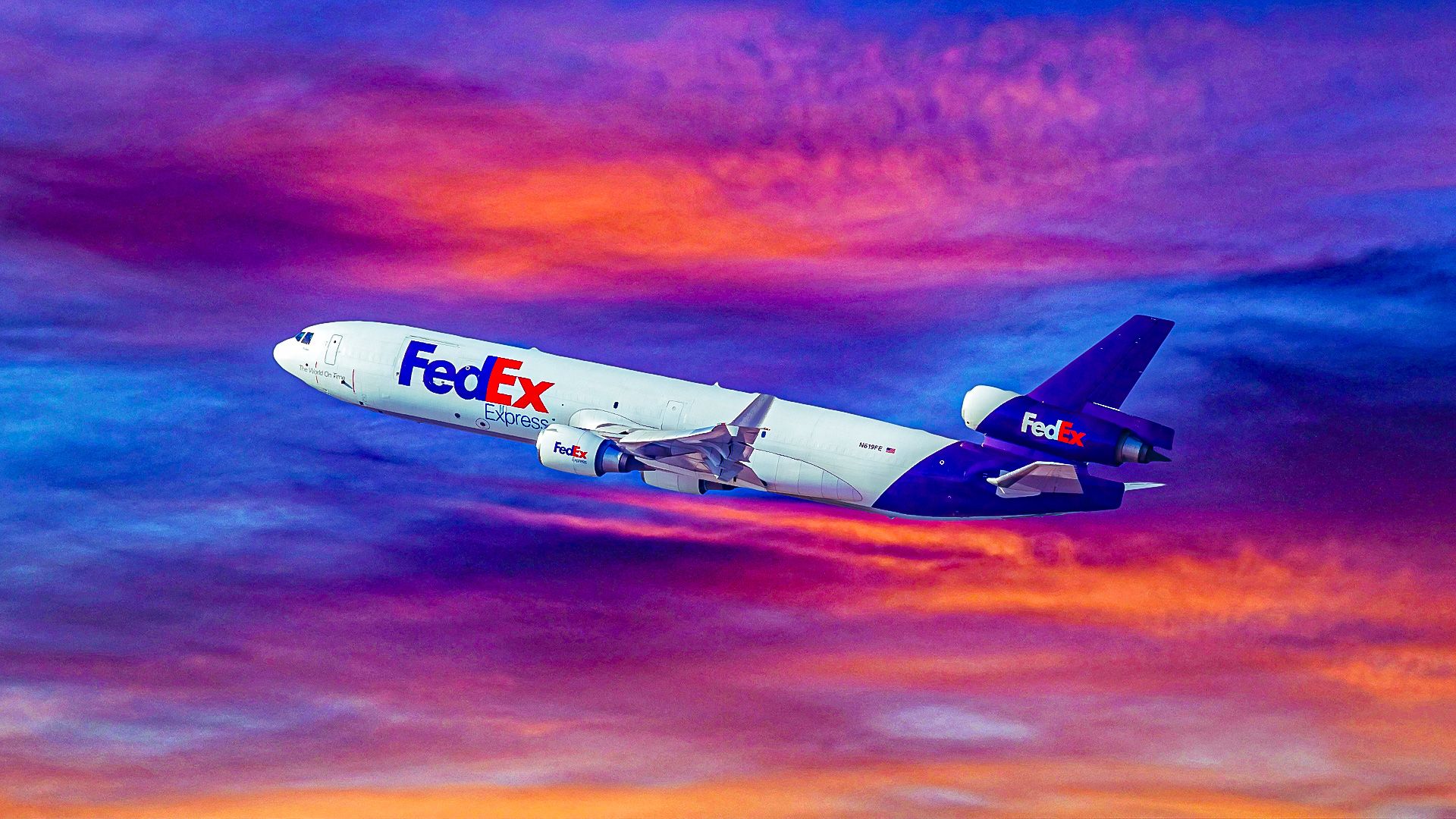
The McDonnell Douglas MD-11, a prominent but short-lived aircraft in commercial aviation, was produced from 1988 to 2000. Initially launched as an upgrade to the DC-10, this aircraft faced significant challenges that limited its success in the competitive airline market. Despite its innovative features, the MD-11 received only half as many orders as its predecessor, indicating a significant downturn for McDonnell Douglas during a critical period in aviation history.
Challenges and Competition in the Market
The MD-11 entered service with Finnair in 1990, representing a technological advancement over the DC-10, which had been marred by safety concerns in its earlier years. The MD-11 boasted a superior range compared to the Boeing 747-200, while also being more fuel-efficient and cost-effective. However, as the aircraft faced production challenges, including failing to meet its initial fuel burn and range requirements, its appeal diminished.
McDonnell Douglas produced a total of 200 MD-11 units, comprising 131 passenger models, 53 freighters (MD-11F), and various combi and convertible freighter variants. The final MD-11 was delivered to Lufthansa Cargo in early 2001. This marked a brief production period of just 12 years, making the MD-11 program one of the shortest in recent aviation history.
The mid-1990s was a particularly challenging time for McDonnell Douglas. The company struggled to compete against the new aircraft designs from Boeing and Airbus, which offered improved efficiency and capabilities. The Boeing 777, introduced in 1995, quickly became the leading choice for airlines, overshadowing the MD-11.
Performance Issues and Market Withdrawal
Airlines initially embraced the MD-11, with major carriers like American Airlines and Singapore Airlines placing orders. Yet, as operational challenges became apparent, many began to reconsider their investment. The aircraft’s weight led to increased fuel consumption, resulting in less range than promised. Following these issues, American Airlines sold its fleet of 19 MD-11s in 1995, while Singapore Airlines canceled its order for 20 units.
Despite McDonnell Douglas’ efforts to implement performance improvement packages and release the extended-range MD-11ER, the aircraft could not recover from its rocky start. Competitors like the Airbus A340-300 and Boeing 777-200ER offered more fuel-efficient options, leading airlines to favor these models over the MD-11.
The challenges faced by the MD-11 were compounded when Boeing acquired McDonnell Douglas in 1997. The MD-11 program directly competed with Boeing’s 777, which was already gaining traction in the market. As a result, production of the MD-11 was quickly curtailed.
The MD-11’s legacy, while marked by innovation, is significantly defined by its commercial struggles. The aircraft’s design and features, from its glass cockpit to its updated engines, were not enough to overcome the operational hurdles and fierce competition it faced. With only 200 units produced, the MD-11 remains one of the less successful aircraft in modern aviation history, especially when compared to its competitors.
In summary, the McDonnell Douglas MD-11’s production span of just over a decade highlights the difficulties faced by manufacturers in adapting to rapidly evolving market demands. The lessons learned from the MD-11’s challenges continue to resonate in the aviation industry today.
















