






















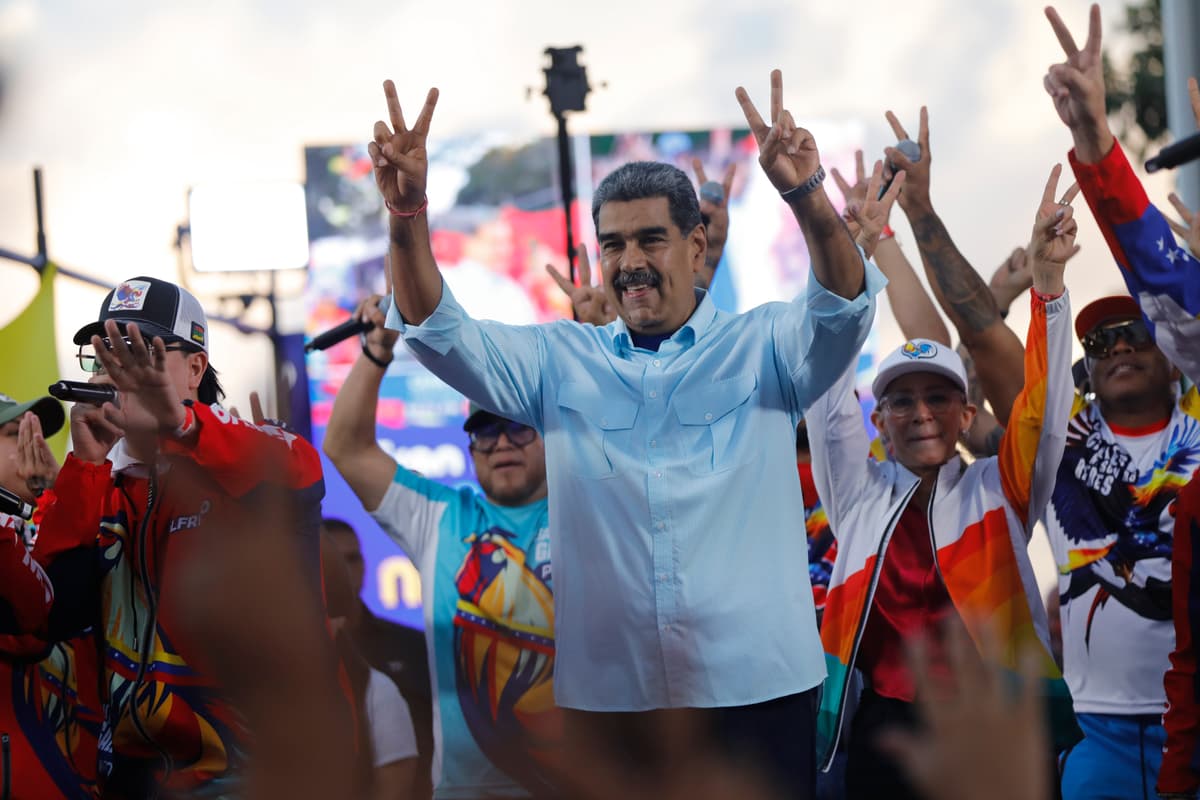
Nicolás Maduro, the President of Venezuela, expressed his willingness to engage in discussions with former U.S. President Donald Trump. This announcement comes as Venezuela faces increasing military pressure and scrutiny from the international community. Maduro aims to address key issues such as combatting drug trafficking and the potential reopening of Venezuela’s oil industry, which has been heavily impacted by sanctions.
In a statement made on September 28, 2023, Maduro highlighted the urgency of cooperation between the two leaders to tackle the pervasive issue of drug trafficking that affects both nations. The Venezuelan government has been accused of facilitating drug trade routes, which has drawn significant criticism from the United States and other countries. By opening dialogue, Maduro hopes to create a framework for joint efforts in curbing illegal activities.
Maduro’s overture to Trump is particularly notable given the deteriorating relations between Venezuela and the U.S. over the past several years. The U.S. government has imposed strict sanctions on Venezuela, primarily targeting its oil exports, which have plummeted from about 3 million barrels per day in 2013 to around 400,000 barrels per day in 2023. The sanctions have devastated the Venezuelan economy, leading to widespread shortages of basic goods and essential services.
The Venezuelan President’s comments signal a potential shift in diplomatic strategy. By inviting dialogue, Maduro may be attempting to alleviate the pressure from military operations conducted by the U.S. and its allies in the region. He indicated that discussions could pave the way for a mutually beneficial arrangement that would not only address drug trafficking but also revitalize Venezuela’s oil sector, which is vital for its economic recovery.
While Maduro’s willingness to engage with Trump could be seen as a pragmatic approach to international relations, skepticism remains. Critics argue that Maduro’s government has a track record of human rights violations and corruption, raising concerns about the sincerity of his intentions. The U.S. administration under Trump had previously classified Maduro as a dictator, complicating any potential negotiations.
The former President has not publicly responded to Maduro’s invitation, and it remains unclear how such talks would be structured. Any discussions would likely involve significant political considerations, especially in light of the upcoming U.S. elections in 2024, where foreign policy plays a crucial role.
As Venezuela grapples with economic turmoil and increasing international isolation, Maduro’s outreach reflects a desperate attempt to restore relations with the U.S. and secure much-needed economic relief. The potential for dialogue may offer a glimmer of hope for a country struggling to navigate through its myriad challenges, but the path forward remains fraught with complexities and uncertainties.
The implications of this proposed dialogue extend beyond Venezuela’s borders, as the international community closely monitors developments. The outcome may influence regional dynamics and the broader approach to combating drug trafficking in Latin America.
















