





































Senator Lindsey Graham has emerged as a prominent advocate for aggressive military action during the Trump administration, reminiscent of historical hawkish figures. His fervent push for U.S. military intervention, particularly regarding Iran and Cuba, reflects a longstanding belief among certain Republican circles that greater military force could decisively alter the outcomes of conflicts.
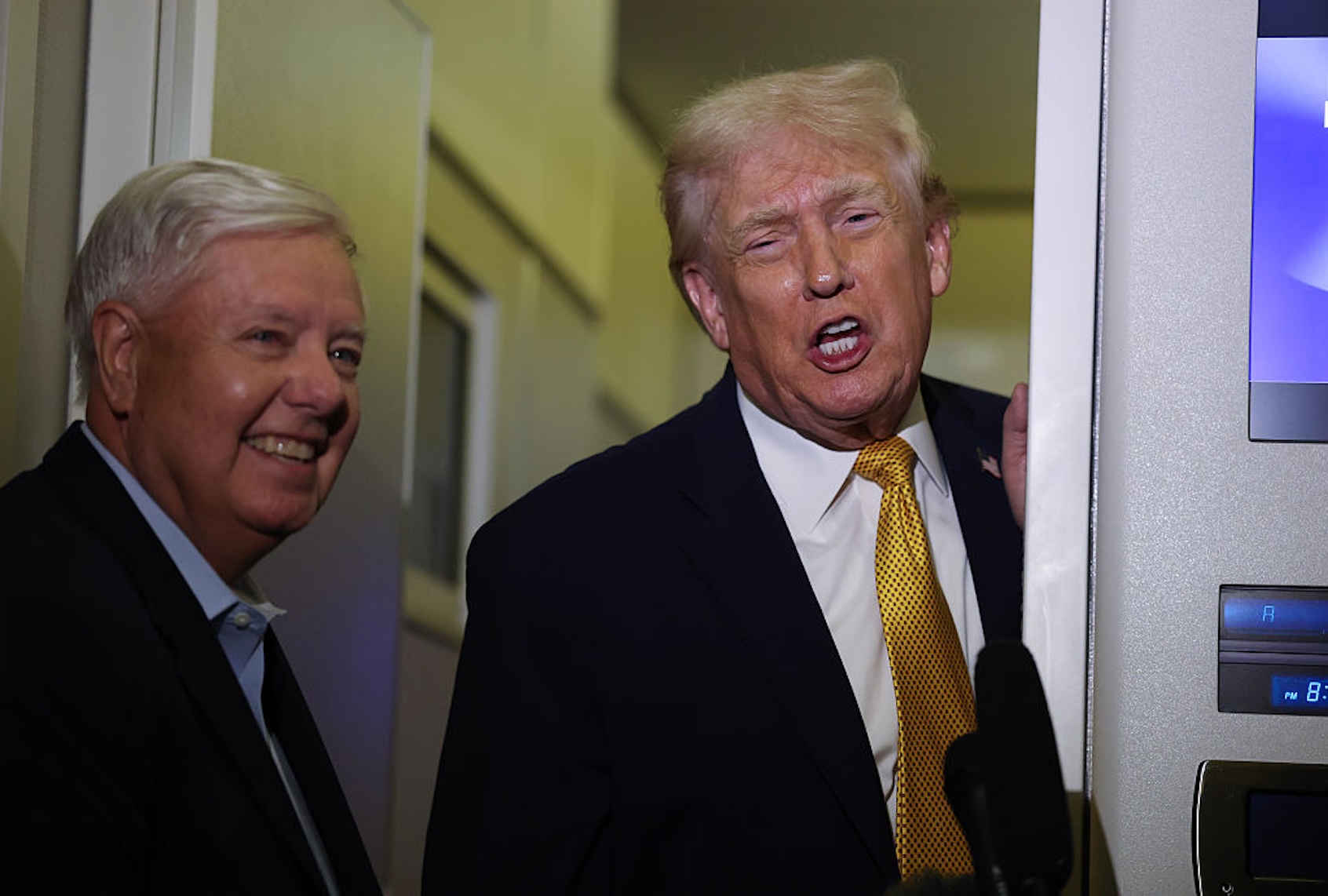
Graham’s alignment with President Donald Trump has been particularly notable. The senator has consistently sought to influence Trump’s foreign policy decisions, particularly in the Middle East. According to the Wall Street Journal, Graham has actively lobbied for military operations against Iran, positioning himself as a key figure in Trump’s war planning discussions. His strategy includes personal outreach, leveraging social settings such as golf outings to advocate for military action.
Historically, similar sentiments have been echoed by military leaders in the past, including Air Force General Curtis LeMay, who advocated for drastic measures during the Cuban Missile Crisis. LeMay’s infamous remarks about bombing adversaries to “the stone age” resonate with Graham’s current rhetoric. This perspective is not new; it has been a common refrain among hawkish factions in the U.S. for decades, especially following perceived military setbacks in conflicts such as the Vietnam War.
Graham has not shied away from making bold statements about military action. Recently, during an appearance on Fox News, he warned about impending military operations against Iran, stating, “You just wait to see what comes in the next two weeks. We’re going to blow the hell out of these people.” His comments indicate a readiness to escalate tensions, as he also made reference to plans regarding Cuba, suggesting that the U.S. might soon take direct action.
The senator’s ambitions extend beyond the Middle East. Reports indicate that he has proposed an aggressive military strategy called “Operation Semper Fi,” intended to respond to past attacks on U.S. personnel in Lebanon. Graham’s approach implies a willingness to adopt a more confrontational stance, reminiscent of prior military operations that sought to demonstrate U.S. power.
Despite the historical lessons learned from previous military engagements, Graham’s rhetoric suggests an unwavering belief in the effectiveness of overwhelming force. This approach raises questions about the potential consequences of such military strategies in an increasingly complex geopolitical landscape. The legacy of past interventions, such as the unsuccessful Operation Rolling Thunder, looms large over current discussions, highlighting the risks associated with underestimating the resilience of adversaries.
As Graham continues to advocate for military action, concerns arise regarding the implications for U.S. foreign policy. The senator’s close relationship with Trump has enabled him to influence discussions about military operations significantly. Analysts note that while presidents in the past, regardless of party affiliation, have often been cautious about military interventions, Graham appears determined to push for a more aggressive stance.
In conclusion, Lindsey Graham’s role as a military hawk in the Trump administration reflects a broader trend within certain segments of U.S. politics. His advocacy for military action against Iran and Cuba aligns with a historical narrative that champions overwhelming force as a solution to international conflicts. As President Trump navigates these pressures, the potential ramifications for U.S. foreign policy remain to be seen, particularly given the complexities of modern warfare and global diplomacy.
















