









































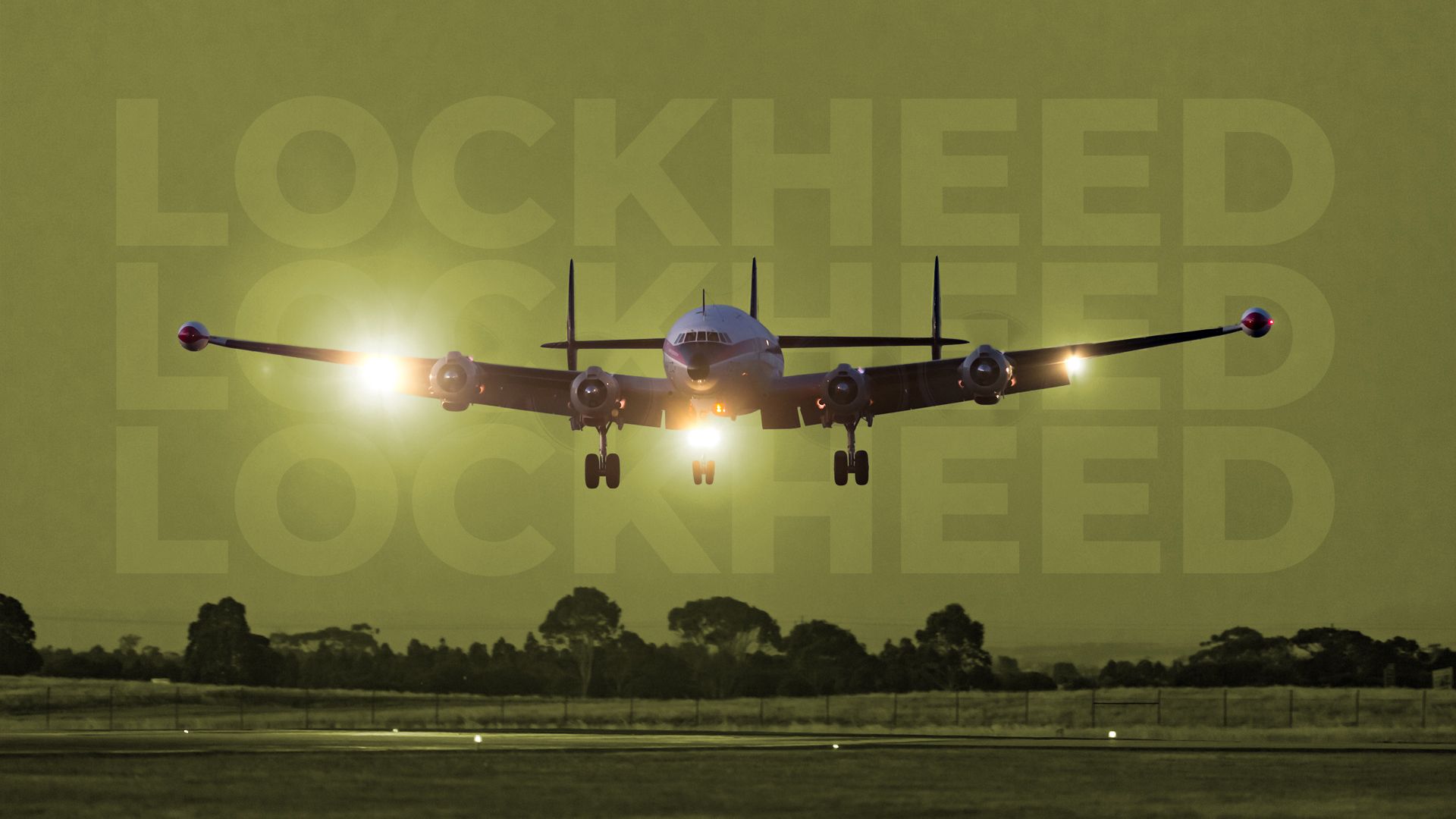
The iconic Lockheed Constellation, often referred to as the “Connie,” continues to inspire aviation enthusiasts as the last two airworthy examples remain operational in 2026. These aircraft, VH-EAG ‘Southern Preservation’ and N422NA ‘Bataan,’ symbolize a significant era in air travel and showcase the engineering marvels of their time.
The Last Flying Connies: A Brief Overview
As of 2026, only two Lockheed Constellations are still flying: VH-EAG ‘Southern Preservation,’ operated by the Historical Aircraft Restoration Society (HARS) in Australia, and N422NA ‘Bataan,’ maintained by the Planes of Fame Air Museum in Chino, California. The former, a C-121C Super Constellation, is celebrated for its fully restored Qantas livery and offers passenger flights, cockpit tours, and airshow appearances. The latter, a VC-121A, has a storied past, having served General Douglas MacArthur and participated in NASA’s Apollo program.
Both aircraft are more than just flying relics; they represent the technological advancements that defined long-range air travel in the mid-20th century. Their continued operation serves as a testament to the dedication of the teams that maintain them and the enduring legacy of the Lockheed Constellation.
A Look Back at the Lockheed Constellation’s History
The Lockheed Constellation’s journey began in June 1939, at a pivotal meeting in Beverly Hills, California. Aviation pioneers including Howard Hughes and TWA president Jack Frye collaborated with Lockheed executives to refine an aircraft capable of carrying 20 passengers across the United States nonstop, with remarkable speed and altitude. The result was the L-049 Constellation, which would become the first pressurized aircraft to gain widespread commercial use.
Despite an initial order from TWA for $18 million and a subsequent order from Pan American World Airways for 40 aircraft, none entered service until after World War II. The U.S. government requisitioned the L-049s, converting them into C-69 transports for military use. This strategic move ensured that TWA remained relevant in the post-war aviation boom.
In 1953, the L-1049 Super Constellation entered service, equipped with advanced features like weather radar. The military variants, designated C-121, included transports, VIP shuttles, and airborne warning-and-control aircraft. Over 600 military-configured Connies served the U.S. and its allies from 1943 until the early 1970s, often alongside emerging jet transports.
The Constellation’s design is notable for its triple-tail configuration and powerful radial engines, which allowed for impressive cruising speeds and high-altitude flights. The aircraft’s technical specifications include a maximum cruise speed of 375 mph (603 km/h) and a service ceiling of 25,000 feet (7,620 meters).
The lasting appeal of the Lockheed Constellation lies not only in its elegance but in the engineering innovations that paved the way for modern aviation.
The Remarkable Stories of ‘Southern Preservation’ and ‘Bataan’
VH-EAG ‘Southern Preservation’ has a rich history as a military C-121C aircraft. Delivered to the United States Air Force on October 6, 1955, it served multiple Air National Guard units before being retired and stored at Davis-Monthan Air Force Base in Arizona in June 1977. After nearly two decades in storage, members of HARS recognized its potential and initiated a five-year restoration project, ultimately returning it to the skies in 1996.
Today, VH-EAG is based at the HARS Aviation Museum in Illawarra Regional Airport, showcasing its historical significance at various airshows across Australia. The dedication of the HARS volunteers, who collectively invested over 16,000 hours into the restoration, highlights the passion for preserving aviation history.
N422NA ‘Bataan’ also boasts an impressive legacy. Originally delivered as a C-121A in late 1948, it played a pivotal role during the Berlin Airlift and later transformed into a VIP shuttle for General Douglas MacArthur. The aircraft carried MacArthur on 17 significant missions, including his meeting with President Truman. After retirement from military service, it transitioned to NASA, supporting the Apollo program by transporting equipment until its retirement to the Army Aviation Museum.
In 1993, the Planes of Fame Air Museum rescued ‘Bataan,’ moving it to a climate-controlled hangar. Despite years of exposure causing some deterioration, the museum has worked diligently to preserve its historical integrity.
The last flying Lockheed Constellations serve as living museums, connecting people with the early days of long-distance air travel. They offer a unique opportunity to witness the engineering and design that defined a generation of aviation.
Both VH-EAG and N422NA continue to inspire new generations of aviation enthusiasts, serving as reminders of a time when air travel was characterized by elegance and adventure. Their stories illustrate the importance of preserving aviation history, ensuring that the legacy of the Lockheed Constellation endures for years to come.
Looking ahead, challenges such as rising maintenance costs and evolving regulations may impact preservation efforts. However, the commitment of organizations like HARS and Planes of Fame, along with the enthusiasm of dedicated volunteers, provides hope for the future of these remarkable aircraft. The ongoing efforts to keep the last Connies airborne embody the spirit of innovation and heritage that defines aviation history.
















